









Introduction
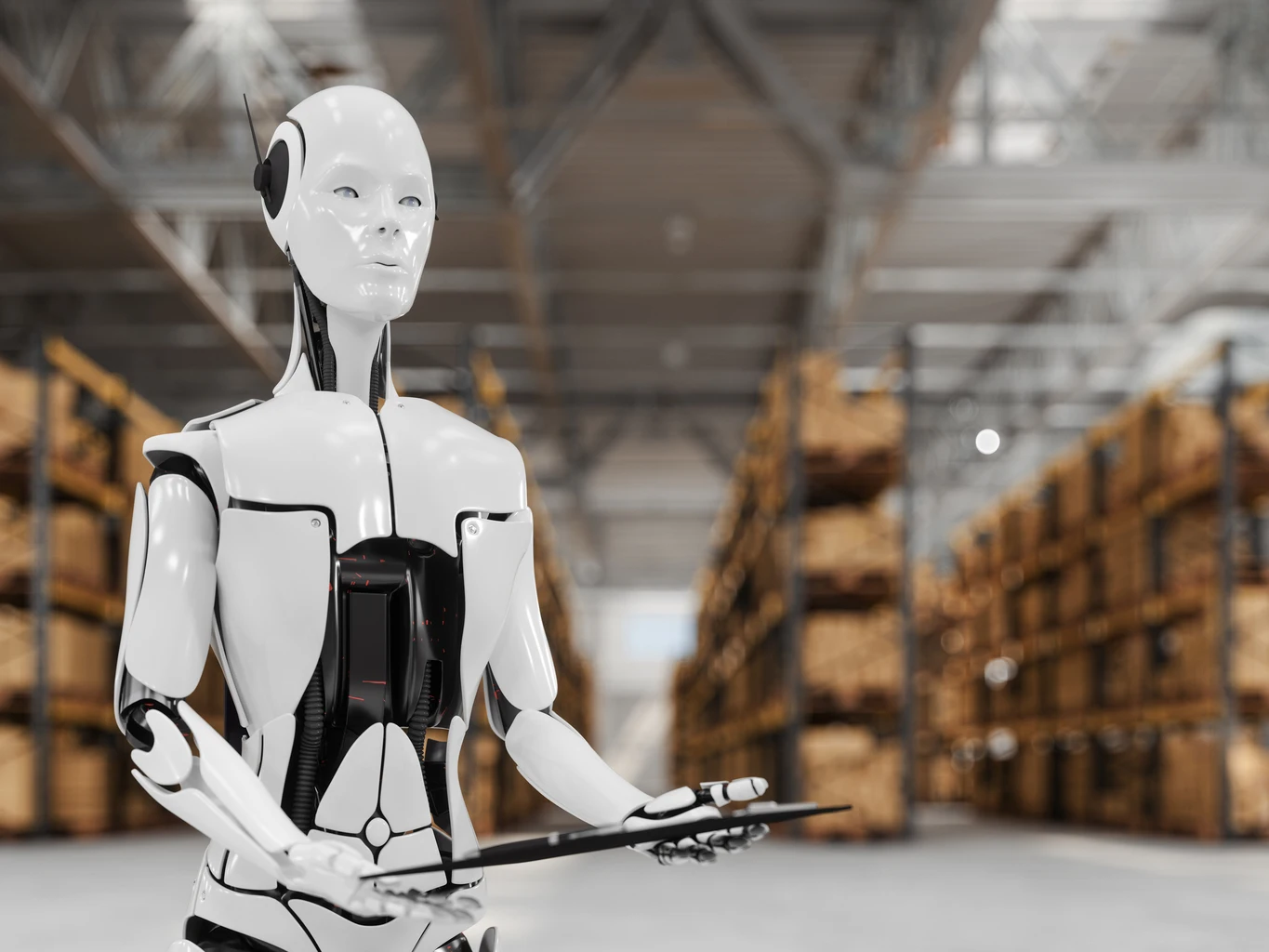
The realm of humanoid robotics is entering an extraordinary phase of growth—fueled by an unprecedented surge in capital investment. What was once the domain of speculative research and science fiction has rapidly evolved into a focal point for venture capitalists, corporate R&D units, sovereign wealth funds, and strategic industrial investors. Investment activity in the humanoid robot sector has shifted from sporadic and modest funding rounds to multi-hundred-million-dollar series raises and strategic partnerships that span industries from manufacturing and logistics to healthcare, service, and even consumer robotics.
This funding explosion is not accidental; it reflects a convergence of breakthroughs in artificial intelligence (AI), machine learning (ML), sensors, actuation, energy systems, and manufacturing capabilities. Humanoid robots—machines designed to emulate human form and human-like movement—are uniquely positioned to bridge the gap between traditional automation and general purpose autonomous agents capable of operating in environments built for humans.
In this article, we will explore the evolution of humanoid robotics, the drivers behind the current funding boom, the major players and their strategies, the technological foundations enabling rapid progress, market opportunities and applications, the ecosystem of complementary industries, regulatory and ethical considerations, investment risks and mitigation strategies, and the future landscape of work, society, and human-robot interaction.
1. The Evolution of Humanoid Robotics: From Research Labs to Investment Spotlight
1.1 Early Concepts and Foundational Research
Humanoid robotics has its roots in academic research and defense projects. Early efforts focused on fundamental problems—bipedal locomotion, balance, perception, and manipulation. Institutions such as Waseda University, MIT, and Carnegie Mellon pioneered research platforms that demonstrated walking, running, and basic object interaction. These systems were often expensive, fragile, and limited in capability, but they established core principles of control theory, gait planning, and sensor integration.
1.2 First Commercial Ventures
The first commercial efforts in humanoid robotics emerged in the early 2000s and 2010s. These systems were typically used as research platforms or entertainment entities. While iconic, early commercial humanoids struggled to achieve robust, real-world performance outside controlled environments. Investors were cautious, deployment was niche, and financial returns were limited.
1.3 The AI Breakthrough and Renewed Investor Interest
The last decade brought seismic shifts. Dramatic advances in AI—especially perception, reinforcement learning, and real-time decision making—dramatically improved robotic autonomy. Combined with cheaper and more capable sensors, powerful on-board computing, and improved actuation technologies, humanoid robots began to exhibit sophisticated behaviors: balancing on uneven terrain, recognizing objects and faces, performing complex manipulation tasks, and adapting to dynamic environments.
These AI-driven capabilities reignited investor enthusiasm. What was once seen as speculative long-term research now presented plausible paths to commercial value, generating the conditions for a funding explosion.
2. Investment Dynamics: Understanding the Funding Explosion
2.1 Capital Flow Patterns and Funding Rounds
In the past five years, the humanoid robotics sector has seen an explosion of funding activity characterized by:
- Mega Rounds: Multiple startups securing nine-figure financing rounds, often with participation from strategic corporate investors.
- Cross-Sector Investment: Capital flowing not only from traditional tech VCs but also from industrial conglomerates, automotive manufacturers, and logistics companies.
- Public Market Interest: SPAC mergers and pre-IPO rounds indicating investor belief in long-term growth potential.
- Global Diversification: Funding activity spanning North America, Europe, East Asia, and emerging innovation hubs.
These patterns point to a broad recognition that humanoid robotics could be a transformative technology platform.
2.2 Strategic Investment Themes
Investors are not simply funding humanoid robot startups—capital is being directed toward strategic themes:
- General Intelligence and Perception: Funding AI models for robotic perception and decision making.
- Actuation and Mobility: Investments in next-generation motors, lightweight materials, and efficient power systems.
- Human-Robot Interaction (HRI): Interfaces that enable natural collaboration, safety systems, and adaptive control.
- Application-Specific Platforms: Robots tailored for healthcare assistance, industrial support, logistics, and customer service.
- Ecosystem Tools: Simulation environments, digital twins, and developer platforms to accelerate deployment and validation.
These themes reflect investor emphasis on not just hardware, but scalable software ecosystems and platform-ready solutions.
3. Key Players and Capital Sources
3.1 Venture Capital and Tech Investors
Leading venture capital firms—both established and specialized—have identified humanoid robotics as a frontier of technological innovation. Some investors approach the space as a bet on future productivity gains, while others envision foundational platforms akin to mobile operating systems.
The intersection of AI and robotics also attracts AI-focused funds and deep tech investors who appreciate long-term value creation despite near-term technical challenges.
3.2 Corporate Venture and Strategic Partners
Corporations across sectors are investing significantly:
- Automotive and Manufacturing: Companies see humanoid platforms as flexible labor for assembly, inspection, and logistics.
- Logistics and Warehousing: Investors believe humanoids could complement or replace specialized robots by handling unstructured tasks.
- Healthcare and Services: Large healthcare systems and service providers are exploring robots for assistance, rehabilitation, and patient interaction.
These strategic investors not only offer capital but also access to real-world deployment environments, validation opportunities, and potential pathways to scale.
3.3 Government and Sovereign Funding
Governments recognize robotics as a national strategic priority. Public funding—whether through grants, research programs, or sovereign investment arms—supports foundational research, industry consortia, and commercial pilots. National initiatives often emphasize workforce transformation, industrial competitiveness, and technological sovereignty.
3.4 Cross-Border and Collaborative Investment Models
Global capital flows are blurring traditional geographic boundaries. Collaborative funding models, including multinational venture partnerships and cross-licensing arrangements, are accelerating knowledge transfer and reducing regional fragmentation.
4. Technological Foundations Powering the Expansion
4.1 AI and Machine Learning
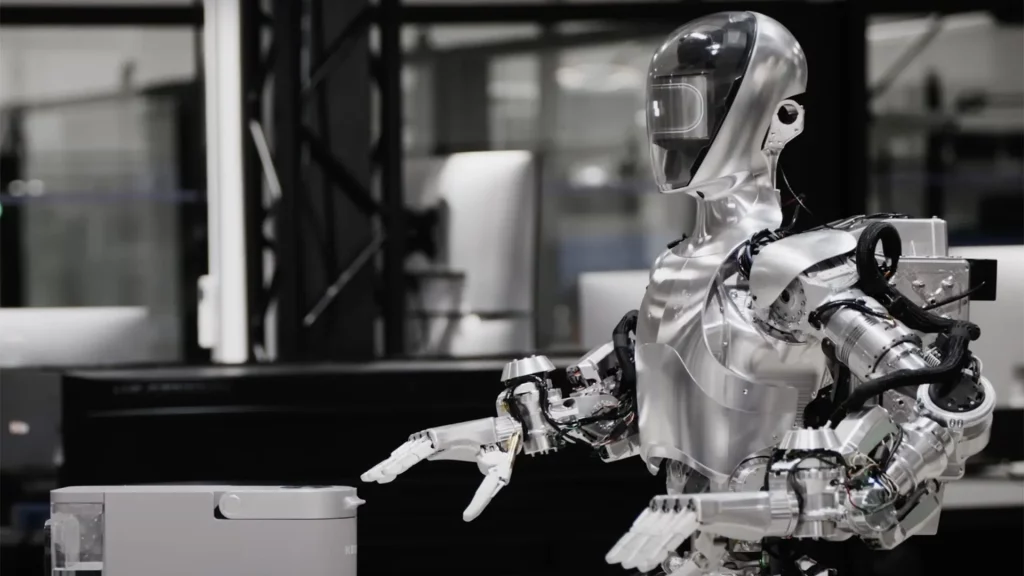
AI is the propulsion system of modern humanoid robots. Deep learning models empower perception—object recognition, scene understanding, and human behavior prediction. Reinforcement learning and imitation learning enable skill acquisition and adaptive behavior.
These capabilities allow robots to move beyond fixed programs into autonomous agents capable of making real-time decisions in dynamic environments.
4.2 Advanced Sensors and Perception Systems
Cutting-edge sensor arrays—LiDAR, stereo vision, tactile sensors, and force–torque sensing—provide rich data streams. Sophisticated sensor fusion algorithms synthesize high-fidelity environmental awareness, enabling safe navigation, object manipulation, and interaction.
4.3 Actuation and Energy Systems
Progress in lightweight, high-torque actuators and energy storage technologies is critical. Efficient actuation enables smooth, human-like motion while energy improvements extend operational time—a key requirement for practical deployment outside laboratory conditions.
4.4 Human-Robot Collaboration Frameworks
A crucial aspect of deployment is the ability to operate safely and effectively around humans. Advanced control algorithms, predictive motion planning, and safety frameworks ensure compliant behavior and adaptive interaction.
5. Real-World Applications and Market Opportunities
5.1 Industrial and Manufacturing Environments
While traditional automation excels in structured environments, humanoid robots promise flexibility:
- Adaptive Assembly: Handling variants and deviations without retooling.
- Inspection and Maintenance: Accessing complex machinery and performing predictive diagnostics.
- Labor Augmentation: Supporting human workers in strenuous or repetitive tasks.
5.2 Logistics and Fulfillment Centers
Humanoids offer potential advantages in environments designed for human workflows:
- Picking and Packing: Handling diverse objects without custom fixtures.
- Dynamic Navigation: Operating in crowded, changing environments.
- Cross-Task Versatility: Switching between tasks without downtime.
5.3 Healthcare and Personal Assistance
In aging societies and resource-strained healthcare systems, humanoid robots could:
- Assist with mobility and daily activities.
- Provide companionship and monitoring.
- Support rehabilitation and therapy through adaptive interaction.
These use cases represent both commercial opportunity and social value.
5.4 Retail and Customer Engagement
Front-facing humanoid robots could enhance customer experiences:
- Greeting and guiding visitors.
- Providing product information.
- Supporting transactions in retail and hospitality.
While these applications are still emerging, investor interest is strong due to branding and differentiation potential.
6. Ecosystem Synergies: Software, Simulation, and Digital Twins
The success of humanoid robotics is not only about physical machines; it requires a mature ecosystem:
- Simulation and Digital Twins: Enable safe testing, training AI models, and optimizing behavior before deployment.
- Developer Platforms and SDKs: Accelerate application development and customization.
- Standardized Interfaces: Promote interoperability and scalability across vendors.
Ecosystem investments amplify value by lowering barriers to adoption and enabling rapid iteration.
7. Regulatory, Ethical, and Societal Implications
7.1 Safety and Standards
As humanoids move into public and workplace environments, safety standards become paramount. Regulatory frameworks must address:
- Collisions and physical safety
- Data privacy and sensor use
- Certification and compliance processes
Clear, harmonized standards reduce deployment risk and build public confidence.
7.2 Workforce Impact and Reskilling
Investor narratives often emphasize that humanoids will complement rather than replace human workers. However, meaningful workforce transformation is inevitable. Policy and business strategies must prioritize:
- Reskilling programs
- New roles in robot supervision, maintenance, and integration
- Social safety nets for displaced workers
Ethical frameworks ensure that technological progress yields broadly shared benefits.
7.3 Data Governance and Privacy
Humanoid robots are sensor-rich platforms. Protecting individual privacy and securing sensitive data are critical—particularly in healthcare, retail, and personal assistance contexts.
8. Investment Risks and Mitigation Strategies
8.1 Technological Uncertainty
The technical challenges of robust humanoid behavior in unconstrained environments are significant. Investors must diversify risk through staged funding, milestone-based investments, and cross-domain research portfolios.
8.2 Time Horizon Misalignment
Humanoid robots may require long development cycles before scaling revenue. Patient capital and clear milestones help align investor expectations with development realities.
8.3 Market Adoption Barriers
Early adopters may be slow due to cost, integration complexity, or regulatory hurdles. Deployment pilots, partnerships with established customers, and demonstrable ROI are essential risk mitigators.
9. Future Market Landscape and Strategic Outlook
9.1 Convergence with AI Advancements
Generative AI, large language models, and advanced reasoning systems will further enhance humanoid capabilities—enabling natural language interaction, context-aware behavior, and autonomous task execution.
9.2 Standardization and Platformization
Industry standards and modular architectures will reduce fragmentation, lower costs, and enable faster adoption. Open platforms will encourage broader developer communities.
9.3 Global Competitive Dynamics
Countries and corporations competing for leadership in robotics will drive strategic investments, industrial policies, and international collaboration. Leadership in humanoid robotics may become synonymous with leadership in the broader AI and automation economy.
9.4 Sustainability and Long-Term Value Creation
Humanoid robots have the potential to boost productivity, address labor shortages, and support aging populations. Long-term sustainable growth will depend on ethical deployment, inclusive economic policies, and continuous innovation.
Conclusion
The explosive surge in funding for the humanoid robot sector reflects a profound shift in technological possibility and economic ambition. What was once a niche research field is rapidly becoming a central frontier of innovation—drawing vast amounts of capital, human talent, and strategic corporate involvement.
This transformation is driven by breakthroughs in AI, sensors, computing, and interdisciplinary engineering. Funding dynamics show confidence in the long-term value of humanoid platforms, not just as machines, but as adaptable, intelligent agents capable of transforming industries and redefining work.
However, funding alone does not guarantee success. Technical hurdles, regulatory landscapes, workforce transition challenges, and ethical considerations must be navigated with care and foresight. Investors, developers, policymakers, and society at large must collaborate to ensure that humanoid robots augment human capabilities, enhance quality of life, and generate broadly shared economic value.
As capital continues to flow and technologies mature, the era of humanoid robotics is not a distant prospect—it is unfolding now, with the potential to reshape the future of automation, industry, and human-machine coexistence.