









Introduction
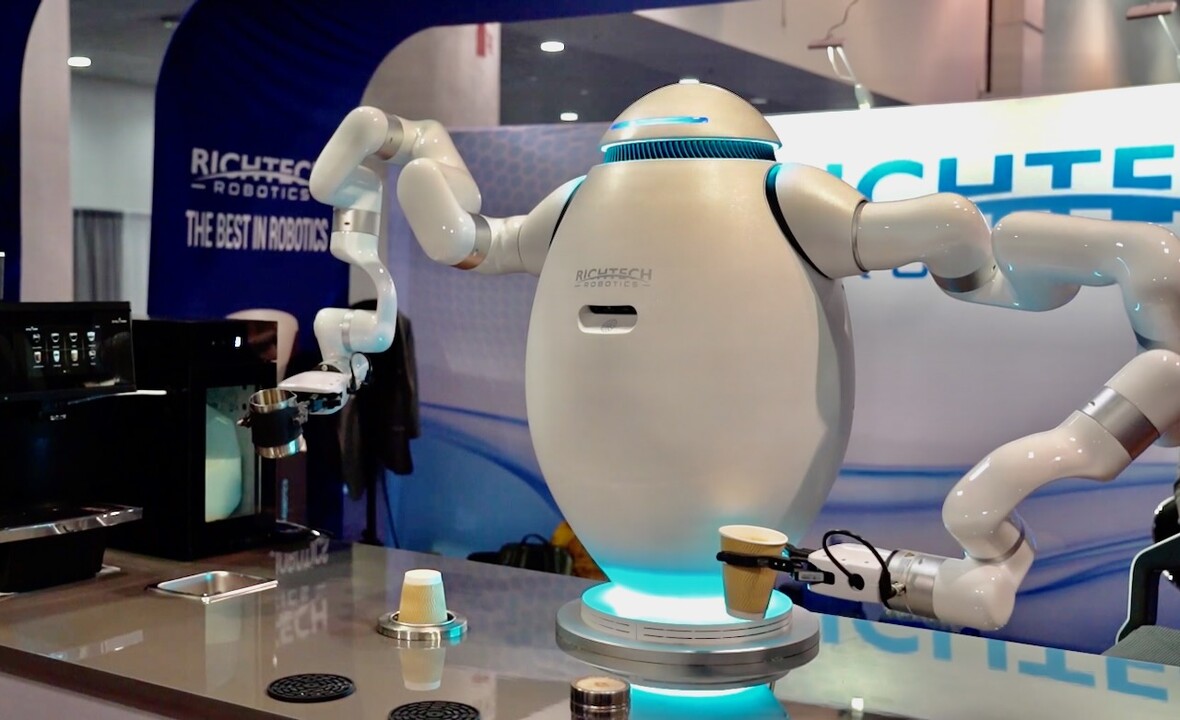
The robotics landscape is undergoing a profound transformation. Historically, robots were confined to industrial factories, research labs, or high-end service environments due to high costs, complex operation, and limited accessibility. Only large enterprises or specialized institutions could leverage robotics for production, logistics, healthcare, or entertainment.
However, advances in artificial intelligence, miniaturized sensors, low-cost actuators, and mass-manufacturing techniques are paving the way for consumer-grade robots at affordable price points. These robots aim to serve as personal assistants, educational companions, home automation agents, and entertainment devices, making robotics accessible to households worldwide.
This article explores the drivers, technologies, market dynamics, challenges, and future prospects of consumer-grade robots, focusing on their potential to reshape everyday life and democratize intelligent automation.
1. Drivers of Affordable Consumer Robotics
1.1 Technological Advancements
- Miniaturization of Sensors and Actuators
- Modern MEMS sensors, LiDAR alternatives, and compact motors reduce cost and footprint.
- Enables precise navigation, object detection, and manipulation at low hardware costs.
- Advances in AI and Machine Learning
- Efficient neural networks, model quantization, and edge inference allow real-time AI capabilities on low-power processors.
- Speech recognition, computer vision, and gesture detection are now achievable on consumer-grade hardware.
- Mass Production and Standardization
- Modular components and open-source platforms reduce development costs and improve scalability.
- Economies of scale drive prices down while increasing reliability.
1.2 Market and Consumer Demand
- Home Assistance: Robots for cleaning, delivery, or monitoring provide tangible convenience.
- Education: Affordable robots serve as STEM education tools for children and students.
- Entertainment and Companionship: Social robots that interact, play games, and provide multimedia experiences.
- Pandemic Influence: Remote interaction and home automation demand surged during COVID-19, driving adoption.
1.3 Competitive Pressures
- Emerging startups and tech giants are entering the consumer robotics market.
- Price competition encourages innovation in cost-effective designs, AI efficiency, and compact hardware.
2. Core Technologies Enabling Low-Cost Consumer Robots
2.1 Mechanical Design
- Simplified Degrees of Freedom (DoF): Reduces actuator count while maintaining functionality.
- Lightweight Materials: ABS plastics, carbon composites, and aluminum alloys lower cost and energy consumption.
- Modular Joints: Easy maintenance and upgrades for users.
2.2 Sensing and Perception
- Vision Systems: Low-cost RGB-D cameras and stereo vision modules for navigation and recognition.
- Proximity Sensors: Infrared or ultrasonic modules for obstacle detection.
- Touch and Gesture Sensors: Enhance interactivity without adding significant hardware costs.
2.3 Computing and AI
- Microcontrollers and Single-Board Computers: Raspberry Pi, Arduino, and NVIDIA Jetson Nano support AI at low cost.
- Edge AI Algorithms: Lightweight neural networks perform speech recognition, gesture detection, and navigation in real time.
- Cloud Connectivity Optional: Cloud-based learning or updates reduce hardware requirements but maintain intelligence.
2.4 Energy Efficiency
- Battery technology (Li-ion) combined with low-power processors enables extended operational time.
- Smart power management ensures optimal performance without increasing cost.
3. Key Categories of Consumer Robots
3.1 Domestic Service Robots
- Cleaning Robots: Robotic vacuums, floor scrubbers, window cleaners
- Companion Assistants: Voice-enabled devices performing basic tasks, reminders, or monitoring
- Home Delivery Robots: Small autonomous units for internal home delivery or smart home coordination
3.2 Educational Robots
- Programmable kits teaching STEM principles
- Interactive humanoid or mobile platforms introducing AI, robotics, and coding to students
- Platforms for research and prototyping at low cost
3.3 Social and Entertainment Robots
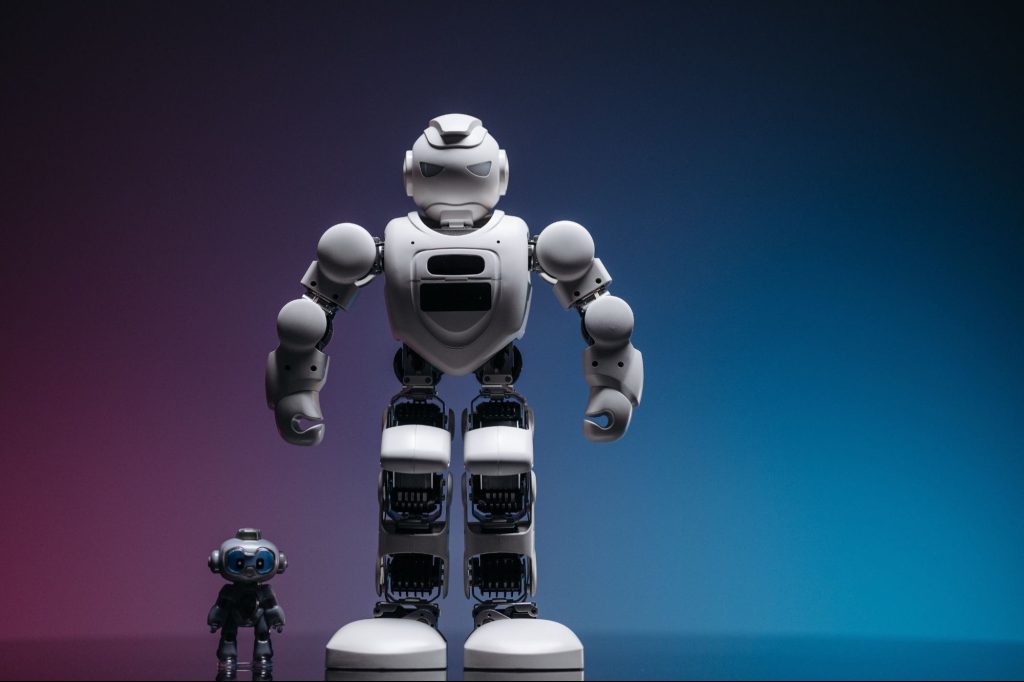
- Humanoid or animal-like robots providing companionship and play
- Interactive gaming, music, or storytelling robots
- Use of voice, gestures, and facial expressions for engagement
3.4 Healthcare and Monitoring
- Telepresence robots for remote consultation
- Reminder robots assisting elderly with medication schedules
- Affordable monitoring systems for wellness and home security
4. Challenges in Affordable Consumer Robotics
4.1 Balancing Cost and Performance
- Low-cost actuators and sensors may limit precision and functionality
- AI processing capabilities constrained by budget-friendly processors
4.2 Safety and Reliability
- Consumer robots must operate safely in homes with children, pets, or elderly users
- Robust collision avoidance, soft edges, and compliance are critical
4.3 User Experience
- Robots must provide intuitive interfaces, simplified operation, and minimal setup
- Voice or gesture recognition must remain accurate despite noise and lighting variations
4.4 Market Education
- Consumers often overestimate or underestimate robot capabilities
- Clear communication about features, limitations, and maintenance requirements is essential
5. Strategies for Scaling Affordable Consumer Robots
5.1 Modular and Open Designs
- Interchangeable components reduce repair costs and enable incremental upgrades
- Open-source hardware and software encourage community contributions and innovation
5.2 Cloud and Edge Hybrid Intelligence
- Onboard AI handles real-time interaction
- Cloud updates provide new skills, improvements, or learning from aggregated data
5.3 Subscription and Service Models
- Subscription-based services for AI features or cloud connectivity can offset initial hardware cost
- Enables continuous improvement and user engagement
5.4 Partnerships with Content and Home Automation Ecosystems
- Integration with smart home devices enhances value
- Partnerships with educational content providers or entertainment platforms increase adoption
6. Global Market Trends
6.1 Asia-Pacific
- Strong consumer adoption due to tech-forward markets in Japan, China, and South Korea
- High interest in educational and home assistant robots
6.2 North America and Europe
- Emphasis on domestic service, telepresence, and entertainment robots
- Consumer demand driven by convenience and lifestyle integration
6.3 Emerging Markets
- Affordable robots can penetrate education and basic home automation sectors
- Opportunities for low-cost production and tailored functionality
6.4 Market Growth
- CAGR for consumer robotics projected in double digits through 2030
- Increasing adoption driven by affordable pricing, AI advancements, and ecosystem integration
7. Case Studies
7.1 Robotic Vacuums
- Prices as low as $150–$250 for compact units with navigation and cleaning AI
- High adoption due to tangible convenience and cost-effectiveness
7.2 Social Companion Robots
- Affordable humanoid robots under $500 provide speech, gestures, and basic learning
- Widely used for children, elderly, and general entertainment
7.3 Educational Kits
- DIY robotic kits priced $50–$300 teaching coding, AI, and mechanics
- Widely deployed in schools, after-school programs, and makerspaces
7.4 Home Monitoring Robots
- Small mobile units for surveillance, reminders, or telepresence priced below $400
- Integrated with smartphones for notifications and remote control
8. Future Directions
8.1 Enhanced AI on Budget Hardware
- Neural network compression, pruning, and edge computing enable advanced intelligence at low cost
8.2 Swarm and Collaborative Consumer Robots
- Multiple small robots cooperating to perform cleaning, delivery, or entertainment tasks
- Coordinated behaviors reduce per-unit complexity while enhancing performance
8.3 Personalized Robotics
- AI learns household preferences, habits, and schedules for proactive assistance
- Personalization improves engagement and adoption
8.4 Integration with Smart Homes and IoT
- Affordable robots act as central hubs for home automation
- Seamless communication with lighting, HVAC, security, and appliances
Conclusion
The emergence of low-cost consumer robots is transforming the accessibility of robotics. Driven by AI advancements, modular hardware, and mass production, these robots are no longer restricted to laboratories or luxury markets.