









Introduction
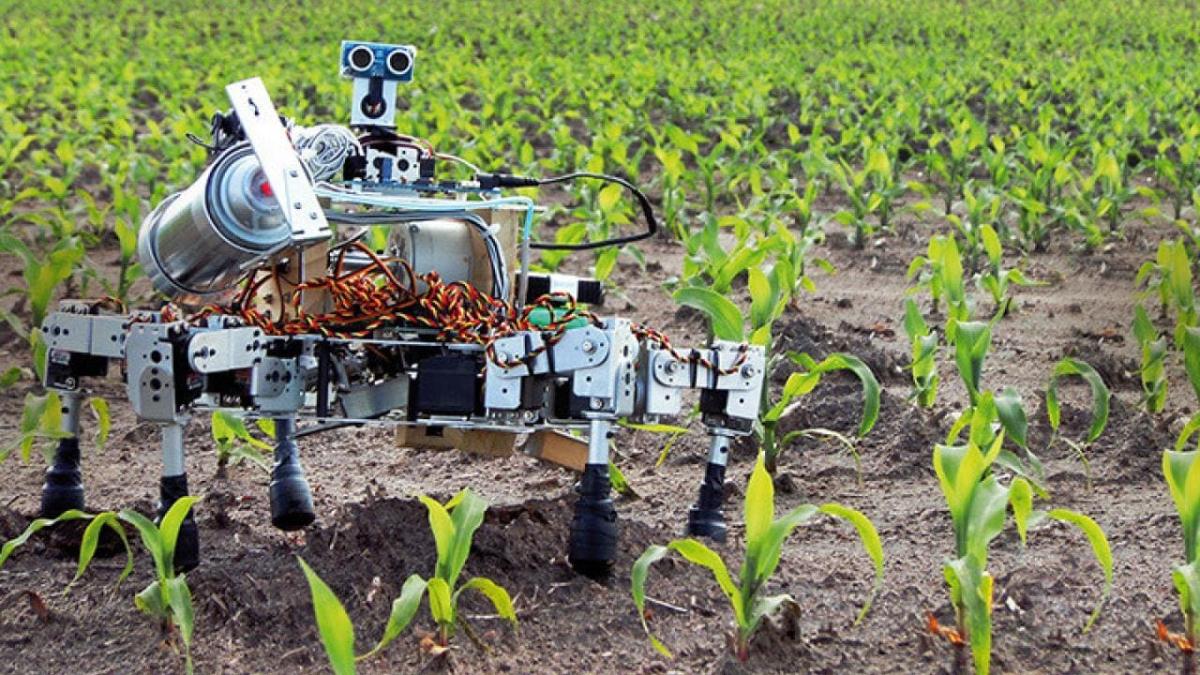
The agricultural sector is undergoing a profound transformation with the integration of robotics, artificial intelligence (AI), and precision technologies. Intelligent agricultural robots are no longer confined to experimental labs; they are actively deployed in fields for harvesting, spraying, and crop monitoring, addressing challenges such as labor shortages, resource efficiency, and sustainability.
These robots combine autonomous navigation, computer vision, AI-driven decision-making, and specialized actuators to perform complex tasks efficiently and safely. By enabling precision agriculture, intelligent robots optimize crop yield, reduce chemical use, and improve overall farm productivity.
This article explores the design principles, technologies, applications, and future directions of intelligent harvesting, spraying, and monitoring robots, providing a detailed overview of the state-of-the-art in agri-robotics.
1. Intelligent Harvesting Robots
1.1 Overview
Harvesting is one of the most labor-intensive and time-sensitive agricultural operations. Intelligent harvesting robots aim to:
- Automate crop picking with minimal human intervention
- Maximize yield and minimize crop damage
- Operate under variable environmental conditions
1.2 Key Technologies
- Vision Systems
- RGB and multispectral cameras detect fruit ripeness, size, and orientation
- 3D depth sensors enable accurate positioning of robotic end-effectors
- Machine Learning and AI
- Deep learning models classify ripe versus unripe fruits
- Reinforcement learning optimizes picking trajectories
- Robotic Manipulators
- Soft robotic grippers reduce bruising in delicate crops like tomatoes and strawberries
- Articulated arms provide dexterity in dense foliage
- Navigation and Localization
- GPS, RTK-GNSS, and LiDAR enable autonomous navigation through orchards or fields
- SLAM (Simultaneous Localization and Mapping) supports obstacle avoidance
1.3 Applications
- Fruit Harvesting: Apples, cherries, strawberries, grapes
- Vegetable Picking: Tomatoes, peppers, cucumbers
- High-Value Crops: Coffee, cocoa, and specialty herbs
1.4 Case Study: Strawberry Picking Robot
- Equipped with RGB-D cameras and soft end-effectors
- AI identifies ripe berries with >90% accuracy
- Increased picking efficiency while reducing labor costs
2. Intelligent Spraying Robots
2.1 Overview
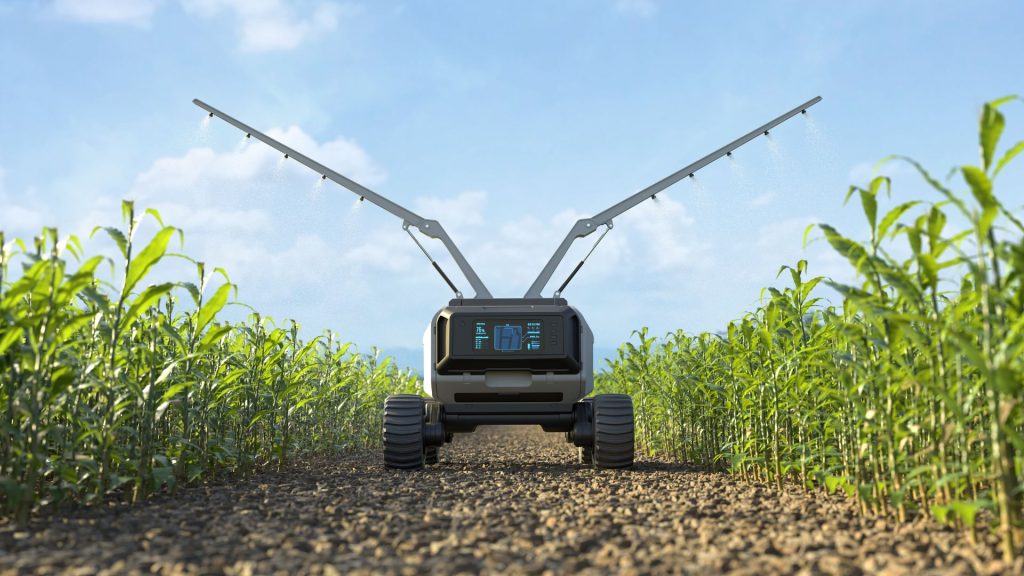
Efficient pesticide, fertilizer, and herbicide application is critical for crop health, yield, and sustainability. Intelligent spraying robots achieve:
- Precision application based on plant health and location
- Reduced chemical use, mitigating environmental impact
- Real-time adaptability to varying terrain and canopy density
2.2 Key Technologies
- Targeted Spraying Systems
- Variable-rate nozzles controlled via AI
- High-resolution imaging identifies plant location and size
- Autonomous Navigation
- GPS-guided tractors or drones
- Obstacle detection ensures safety and coverage
- Sensors for Spray Optimization
- LIDAR or depth cameras to measure canopy structure
- Humidity, temperature, and wind sensors adjust spray parameters
2.3 Applications
- Row Crops: Corn, wheat, and soybeans
- Fruit Orchards: Targeted pest control
- Greenhouses: Automated nutrient and pesticide spraying
2.4 Case Study: Vineyard Spraying Drone
- Uses multispectral imaging to detect disease spots
- Sprays only affected vines, reducing chemical use by 40%
- Operates autonomously over large vineyard areas
3. Intelligent Monitoring Robots
3.1 Overview
Monitoring is essential for disease detection, growth assessment, and precision management. Intelligent monitoring robots provide:
- High-frequency data collection
- Non-destructive crop analysis
- Early warning systems for pests, diseases, and nutrient deficiencies
3.2 Key Technologies
- Aerial Drones
- Multispectral, hyperspectral, and thermal imaging
- Provides large-scale field monitoring and crop stress detection
- Ground-Based Robots
- Navigate rows autonomously for detailed plant-level analysis
- Equipped with sensors for leaf color, moisture, and pest detection
- Data Analytics and AI
- Machine learning models detect anomalies and predict yield
- Integration with IoT platforms enables farm-wide management
3.3 Applications
- Disease detection and early intervention
- Water stress monitoring and irrigation management
- Growth tracking for yield prediction
3.4 Case Study: Crop Monitoring Rover
- Autonomous rover equipped with multispectral camera and soil sensors
- Tracks crop health daily
- Alerts farmers to disease outbreaks and nutrient deficiencies
4. Integration of Harvesting, Spraying, and Monitoring
4.1 Multi-Function Robotic Systems
- Combines harvesting, spraying, and monitoring into a single autonomous platform
- Reduces operational time and labor cost
- Enables data-driven precision farming
4.2 Farm-Level Digital Twins
- Robotic sensors feed data into digital twin models of farms
- Simulation allows optimization of planting, spraying, and harvesting schedules
- Facilitates predictive maintenance of robotic fleets
4.3 Challenges in Integration
- High upfront cost of multi-functional robots
- Complex navigation in heterogeneous fields
- Sensor fusion and AI decision-making for diverse tasks
5. Enabling Technologies
5.1 Navigation and Localization
- RTK-GPS, LiDAR, and visual SLAM for accurate positioning
- Obstacle detection in dynamic environments (e.g., animals, humans)
5.2 AI and Machine Learning
- Object detection for ripeness and disease
- Reinforcement learning for adaptive task planning
- Predictive analytics for crop yield and resource optimization
5.3 Sensor Fusion
- Combines RGB cameras, multispectral/hyperspectral imaging, tactile sensors, and environmental sensors
- Improves decision-making accuracy for harvesting, spraying, and monitoring
5.4 Actuation and End-Effector Technologies
- Soft robotic grippers for delicate crops
- Precision spraying nozzles with real-time control
- Variable-speed wheels and tracks for uneven terrains
6. Economic and Environmental Impacts
6.1 Labor and Productivity
- Reduces dependence on seasonal labor
- Robots can operate 24/7, increasing productivity
- Ensures consistent quality and reduces crop loss
6.2 Resource Efficiency
- Targeted spraying reduces chemical use and environmental runoff
- Optimized harvesting reduces food waste
- Precision irrigation enabled by monitoring robots saves water
6.3 Sustainability
- Reduces carbon footprint by minimizing tractor fuel usage
- Promotes eco-friendly farming practices
- Integrates with renewable energy sources for autonomous operation
7. Challenges and Limitations
| Challenge | Mitigation Strategies |
|---|---|
| High initial cost | Leasing, government subsidies, or cooperative farming models |
| Complex navigation | Advanced SLAM, LiDAR, and AI-based obstacle detection |
| Variable crop types and environments | Modular and adaptive robot designs |
| Sensor reliability under weather conditions | Weatherproof enclosures and redundant sensors |
| Integration with farm management systems | Standardized communication protocols and IoT integration |
8. Future Directions
8.1 Collaborative Swarm Robotics
- Multiple small robots working together for harvesting, spraying, and monitoring
- Swarm AI optimizes task allocation and coverage
8.2 Enhanced AI for Decision-Making
- Deep learning models for disease prediction, yield estimation, and autonomous planning
- Adaptive behavior based on real-time environmental feedback
8.3 Energy Efficiency and Autonomous Power
- Solar-powered or hybrid robots
- Energy recovery from terrain for extended operation
8.4 Integration with Digital Agriculture
- Robots feeding IoT platforms and digital twins for farm-wide decision support
- Supports precision agriculture at scale
8.5 Human-Robot Collaboration
- Semi-autonomous systems where robots assist farmers
- Augmented reality (AR) interfaces for monitoring and control
9. Conclusion
Intelligent harvesting, spraying, and monitoring robots are reshaping modern agriculture by combining autonomy, AI, and precision technologies. Key takeaways include:
- Harvesting robots increase efficiency and reduce crop damage
- Spraying robots optimize chemical usage and enhance sustainability
- Monitoring robots provide real-time data for predictive management
- Integration and data-driven decision-making enable farm-wide optimization
- Future innovations like swarm robotics, energy efficiency, and digital twins will further revolutionize agriculture
The convergence of robotics, AI, and sensor technologies is enabling smarter, more sustainable, and productive farming, addressing labor shortages and environmental challenges while ensuring food security for the growing global population.