









Introduction
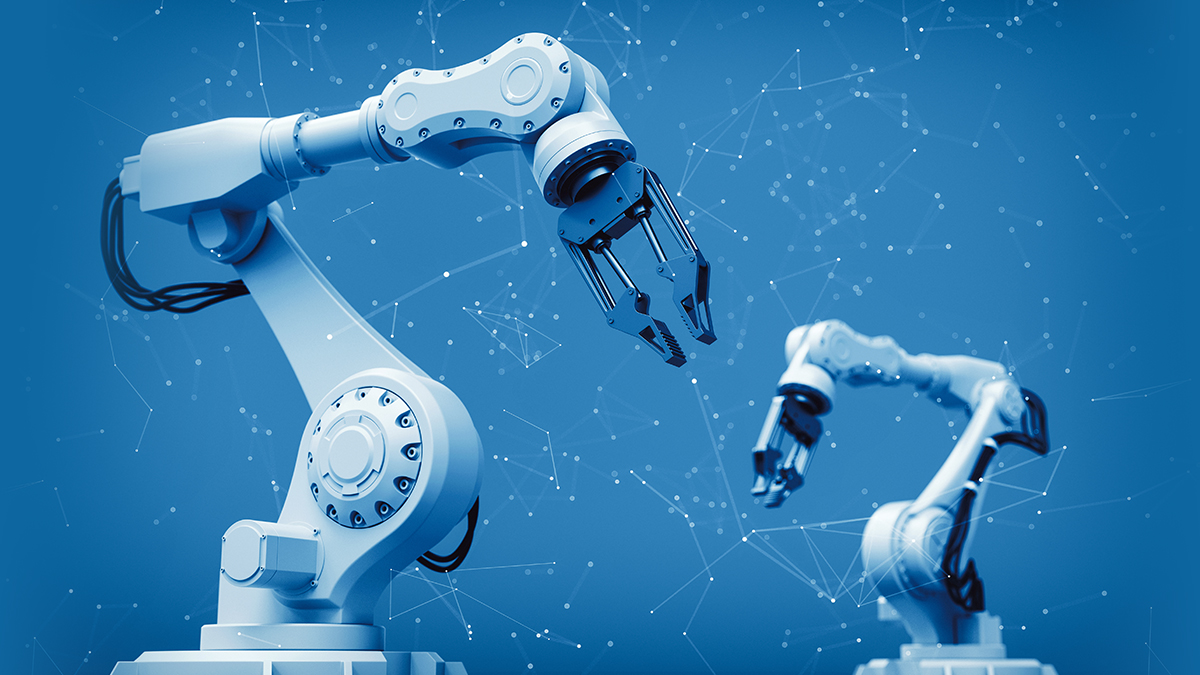
The evolution of robotics has historically been characterized by the transition from mechanical automation to programmable machines. Early industrial robots excelled in repeatable, high-precision tasks, delivering significant productivity gains. This “mechanization” revolutionized manufacturing, logistics, and assembly, but its strategic potential is fundamentally limited: such systems lack adaptability, learning capabilities, and autonomous decision-making.
In contrast, robotic intelligence, fueled by artificial intelligence (AI), machine learning, and advanced sensing, enables robots to perceive, learn, reason, and adapt in complex, unstructured environments. Intelligence allows robots to operate beyond pre-programmed routines, collaborate safely with humans, and continuously improve performance—capabilities critical for long-term competitiveness, innovation, and resilience in industries ranging from manufacturing to healthcare, logistics, and service sectors.
This article explores the strategic significance of robot intelligence, contrasting it with mechanization, examining technological enablers, practical applications, economic implications, and future directions.
1. Understanding Mechanization vs. Intelligence in Robotics
1.1 Mechanization: Efficiency Through Repetition
Mechanized robots excel in:
- High-speed, repetitive operations
- Precise execution in structured environments
- Reducing labor costs and increasing throughput
Limitations of mechanization include:
- Inflexibility: Cannot handle unexpected scenarios
- Dependency on human oversight for problem-solving
- Limited innovation capacity: Cannot autonomously optimize workflows
Mechanization is thus tactical, improving operational efficiency but offering limited strategic advantage over the long term.
1.2 Intelligence: Flexibility Through Learning and Autonomy
Intelligent robots combine perception, reasoning, and action to operate in unstructured, dynamic environments. Key features:
- Adaptive learning: Reinforcement learning and imitation learning enable robots to improve over time
- Multimodal perception: Vision, LiDAR, tactile, and auditory sensors allow robots to understand complex environments
- Autonomous decision-making: AI-driven planning allows robots to adjust behavior in real time
- Human-robot collaboration: Safe, context-aware interactions extend robots’ operational domains
Intelligence offers strategic value, enabling robots to drive innovation, expand applications, and integrate seamlessly into human-centric ecosystems.
2. Technological Enablers of Intelligent Robotics
2.1 Advanced Sensing and Perception
- Vision systems: Depth cameras, stereo vision, and event-based sensors for object detection and spatial mapping
- Force and tactile sensors: Provide feedback for manipulation tasks requiring dexterity
- Environmental awareness: Acoustic, temperature, and chemical sensors allow adaptation to diverse scenarios
- Sensor fusion: Combines modalities for robust, context-aware decision-making
2.2 AI Algorithms and Control Systems
- Reinforcement learning (RL): Robots learn optimal strategies through interaction with their environment
- Model-based planning: Physics-based simulations inform movement, task sequencing, and manipulation
- Predictive analytics: Anticipates environmental changes, optimizing operational decisions
- Neural-symbolic reasoning: Combines high-level logic with data-driven learning for complex decision-making
2.3 Mobility and Manipulation
- Legged and wheeled locomotion: Autonomous traversal of uneven and unpredictable terrains
- Dexterous manipulation: AI-guided hands and grippers allow robots to handle a variety of objects safely
- Dynamic stability: AI algorithms maintain balance and precision during complex movements
2.4 Edge Computing and Embedded AI
- High-speed, low-latency computation embedded in robots reduces dependency on cloud systems
- Facilitates real-time perception, decision-making, and autonomous control
- Critical for applications in logistics, healthcare, and public service, where delays can compromise efficiency and safety
3. Strategic Implications of Intelligent Robotics
3.1 Expanding Application Domains
Unlike mechanized robots, intelligent systems can operate in:
- Unstructured environments: Hospitals, homes, public spaces
- Dynamic manufacturing floors: Mixed-model production, small-batch assembly
- Collaborative workspaces: Seamlessly interacting with humans and other robots
3.2 Innovation and Productivity
Intelligent robots continuously improve performance:
- Adaptive workflows reduce waste and optimize task sequencing
- Self-learning capabilities allow robots to acquire new skills autonomously
- Process innovation: Robots identify inefficiencies, propose optimizations, and execute adjustments
3.3 Economic Competitiveness
- Companies adopting intelligent robots achieve long-term efficiency gains and resilience
- Reduces dependency on labor in unpredictable or hazardous environments
- Drives new business models: autonomous logistics, robotic-as-a-service, and AI-enhanced customer service
3.4 Workforce Transformation
- Intelligent robots augment human workers, rather than replace them entirely
- Enables employees to focus on creative, supervisory, and value-added tasks
- Encourages reskilling and innovation-driven labor strategies
4. Case Studies: Intelligence vs. Mechanization
4.1 Manufacturing
- Mechanized robots: Assembly line arms performing repetitive welding or painting
- Intelligent robots: Adaptive arms adjusting to part variations, detecting defects, and collaborating with humans
4.2 Healthcare
- Mechanized systems: Fixed automated pill dispensers or surgical instruments
- Intelligent robots: Autonomous patient transporters, AI-assisted rehabilitation robots, adaptive surgical assistants
4.3 Logistics and Warehousing
- Mechanized conveyors: Move standardized loads along fixed paths
- Intelligent mobile robots: Navigate dynamic environments, optimize routes, handle variable packages, and coordinate with human operators
4.4 Service Sector
- Mechanized cleaning devices: Vacuum along preset paths
- Intelligent service robots: Adapt routes based on obstacles, interact with humans, and learn optimal cleaning patterns over time
5. Market Trends and Investment Priorities
5.1 Growing Demand for Intelligent Robots
- Industries increasingly value robots that can learn and adapt rather than just repeat tasks
- Drivers include labor shortages, productivity pressures, and customization requirements
5.2 Strategic Investment in AI and Robotics
- Startups and established companies invest in AI-enabled platforms, sensor-rich robotics, and edge computing
- Governments fund initiatives for autonomous systems, human-robot collaboration, and intelligent logistics
5.3 Competitive Advantage
- Organizations prioritizing intelligence over mechanization achieve greater operational flexibility, innovation capacity, and long-term resilience
- Early adoption of intelligent robotics is becoming a strategic differentiator in global markets
6. Challenges in Developing Intelligent Robots
6.1 Technical Complexity
- Integration of perception, reasoning, and actuation requires robust system design
- Real-time adaptive behavior is computationally intensive
6.2 Safety and Reliability
- Autonomous decision-making in dynamic environments introduces risk of errors and accidents
- Redundancy, fail-safes, and ethical AI frameworks are essential
6.3 Energy and Resource Constraints
- Intelligent robots demand high energy for computation and mobility
- Efficient batteries, lightweight materials, and energy-optimized actuators are critical
6.4 Standardization and Interoperability
- Diverse hardware and software ecosystems require common standards for integration
- Interoperability ensures scalability and cost-effective deployment
7. Future Directions
7.1 Advanced AI-Driven Embodiment
- Fusion of learning, reasoning, and physical interaction
- Robots capable of generalized skill acquisition and adaptation across multiple domains
7.2 Human-Robot Collaboration
- Predictive AI enables robots to anticipate human behavior and act proactively
- Enhances safety, productivity, and workplace synergy
7.3 IoT and Digital Twin Integration
- Enables real-time fleet monitoring, predictive maintenance, and process optimization
- Robots interact seamlessly with other smart devices, creating fully autonomous ecosystems
7.4 Continuous Learning and Self-Improvement
- Robots refine capabilities through environmental interaction and data feedback
- Reduces dependency on manual programming and enhances operational flexibility
8. Strategic Recommendations for Industry
- Prioritize Intelligent Over Mechanized Systems – Focus on learning, autonomy, and adaptability
- Invest in AI-Embedded Robotics Hardware – Edge computing and high-performance sensors are key
- Ensure Safety and Ethical Compliance – Human-centric design and fail-safes are mandatory
- Adopt Modular, Scalable Platforms – Supports task diversification and rapid deployment
- Promote Workforce Integration – Use robots to augment human creativity and efficiency, not replace it
Conclusion
While mechanization delivers short-term efficiency gains, robotic intelligence offers profound long-term strategic value. By embedding AI and adaptive capabilities, robots become autonomous, flexible, and capable of continuous improvement, positioning organizations for resilient growth, innovation, and competitive advantage.