









Introduction
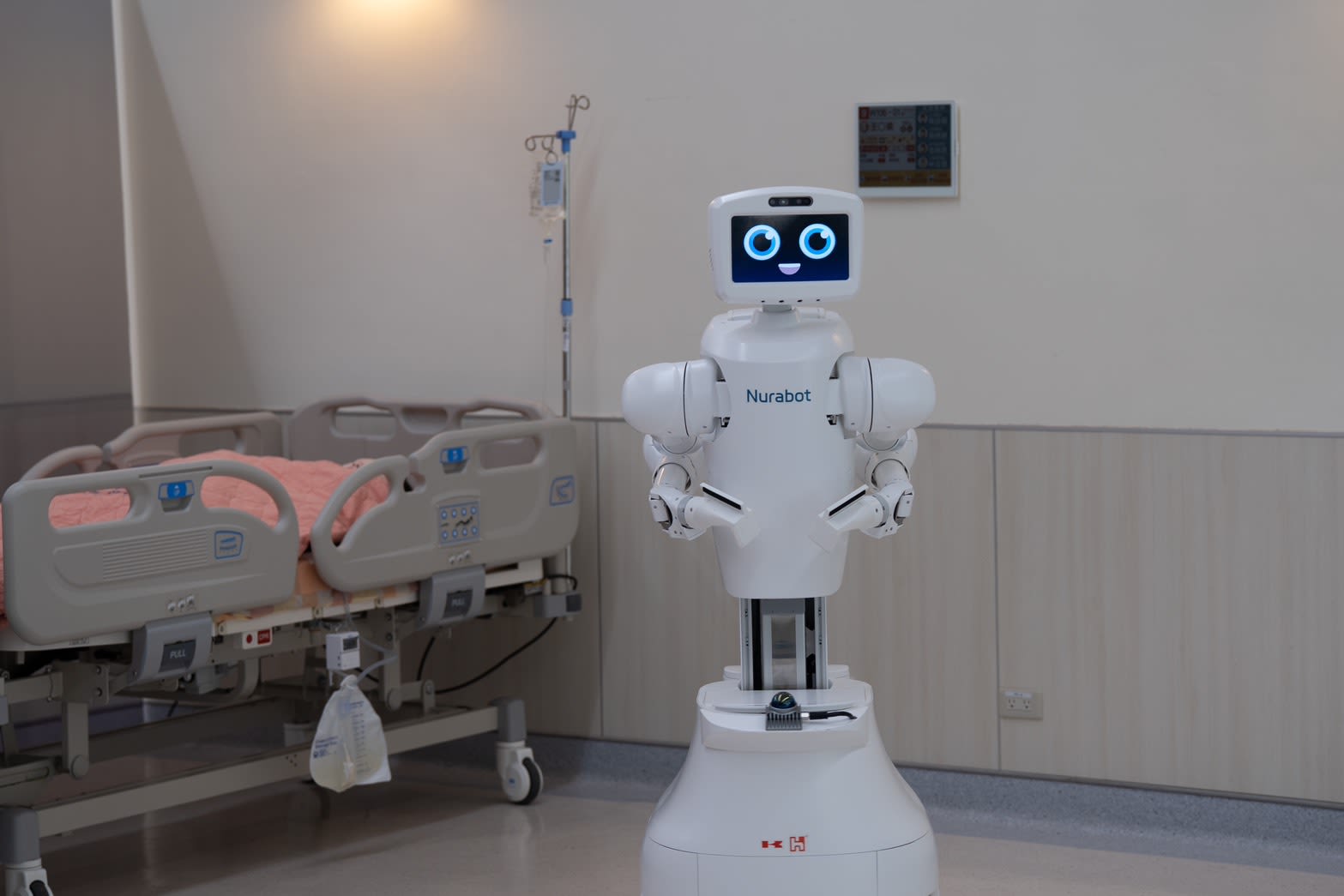
Service robots are rapidly transforming industries by delivering automation, efficiency, and improved customer or patient experience. In particular, healthcare and retail sectors have become fertile grounds for service robot deployment. Hospitals are leveraging robots for logistics, sanitation, and patient engagement, while retail stores increasingly adopt robots for inventory management, customer guidance, and last-mile delivery.
While the potential is immense, successful deployment depends not only on technology but also on strategic planning, operational management, and human-robot integration. Many enterprises struggle with the gap between innovation and real-world utility, facing challenges in adoption, regulatory compliance, workflow integration, and return on investment (ROI).
This article provides a comprehensive examination of strategies and operational insights for deploying service robots in healthcare and retail, including market analysis, use cases, technology considerations, operational workflows, and lessons learned from successful implementations.
1. Market Landscape and Strategic Considerations
1.1 Healthcare Service Robotics
Healthcare is a high-value sector for robotic deployment due to:
- High labor costs and staff shortages
- Stringent hygiene and safety requirements
- The need for repetitive, predictable tasks
Common Healthcare Applications:
- Autonomous Logistics Robots: Transport medications, meals, and laboratory samples.
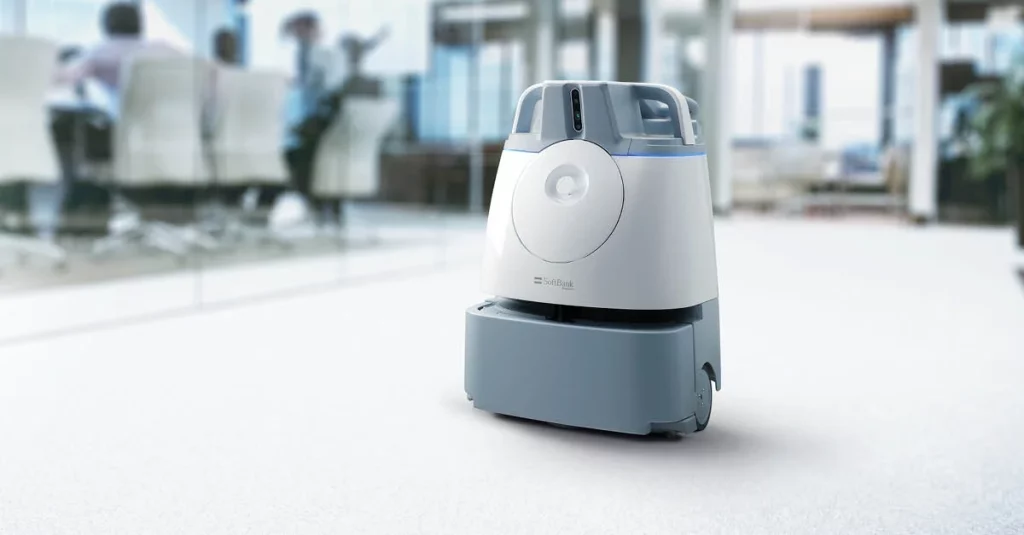
- Sanitation Robots: UV-C disinfection and floor cleaning robots reduce infection risks.
- Patient Engagement Robots: Guide patients, assist in rehabilitation, or provide companionship.
- Telepresence Robots: Enable remote consultation and reduce the risk of infectious exposure.
1.2 Retail Service Robotics
Retail environments benefit from robots due to:
- Large floor areas requiring inventory oversight
- The need for customer engagement and interactive experiences
- Demand for operational efficiency and labor optimization
Key Retail Applications:
- Inventory Management Robots: Automated scanning of shelves for stock levels and expiry dates.
- Delivery Robots: Last-mile in-store or curbside delivery for customer convenience.
- Customer Guidance and Concierge Robots: Provide product information, directions, and promotions.
- Sanitation Robots: Maintain hygiene in high-traffic areas.
1.3 Strategic Considerations for Enterprises
- Value Proposition Alignment: Focus on ROI, operational efficiency, and user experience rather than technology novelty.
- Regulatory Compliance: Especially in healthcare, robots must adhere to HIPAA, FDA, ISO, and sanitation standards.
- Scalability: Select robots and software platforms that can be expanded across multiple locations or departments.
- Human Integration: Consider staff training, workflow adaptation, and social acceptance of robotic assistance.
2. Deployment Strategies in Healthcare
2.1 Needs Assessment and Workflow Analysis
- Identify repetitive or high-risk tasks suitable for automation (e.g., medication delivery, sample transport).
- Map hospital workflow to integrate robots without disrupting clinical operations.
- Conduct time-motion studies to quantify potential efficiency gains.
2.2 Technology Selection
- Navigation and Localization: Autonomous navigation through dynamic environments requires LIDAR, SLAM, and obstacle avoidance.
- Payload and Handling: Robots must handle trays, carts, or delicate laboratory samples safely.
- Connectivity and Integration: Seamless integration with hospital management systems, electronic health records (EHRs), and IoT devices.
2.3 Human-Robot Interaction Considerations
- Staff must be trained on safe interaction protocols.
- Robots should have intuitive interfaces (touchscreens, voice commands, or mobile apps).
- Alert systems for route blockage or task completion enhance transparency.
2.4 Pilot Implementation and Iterative Deployment
- Start with pilot programs in controlled wards or departments.
- Monitor KPIs such as delivery time, error rates, and staff acceptance.
- Collect feedback for continuous improvement and policy adaptation.
2.5 Case Study: Autonomous Hospital Logistics
- Hospitals deploying robots for medication and meal transport have reported 30–50% reduction in staff walking distance, improved hygiene, and fewer delivery errors.
- Successful implementations often rely on modular robot fleets that can adapt to workflow changes and integrate with EHR systems.
3. Deployment Strategies in Retail
3.1 Customer Experience and Value Proposition
Retail robots must enhance customer engagement rather than replace human interaction entirely. Key focus areas:
- Efficiency: Reduce checkout waiting time, streamline in-store navigation, and automate stock audits.
- Experience: Interactive guides, promotional engagement, and personalized recommendations.
- Safety: Floor cleaning and sanitation robots ensure hygiene without disrupting customer flow.
3.2 Operational Integration
- Map robot routes to minimize interference with shoppers and staff.
- Integrate robot operations with inventory management systems for real-time stock tracking.
- Design robot behavior to be socially aware: maintain safe distance, avoid sudden movements, and communicate status clearly.
3.3 Technology Selection
- Sensors: Vision systems, LIDAR, and ultrasonic sensors for navigation in crowded stores.
- AI and Analytics: Real-time object detection, path planning, and customer interaction AI.
- Battery and Charging Management: Ensure robots can operate during peak hours without downtime.
3.4 Pilot Programs and ROI Evaluation
- Begin with a single store or department for testing.
- Measure KPIs: stock accuracy, time savings, customer satisfaction, and operational cost reduction.
- Scale gradually based on data-driven insights.
3.5 Case Study: Inventory Management Robots
- Retailers deploying robots for shelf scanning achieved up to 98% inventory accuracy and freed staff for customer service tasks.
- Robots often operate during off-peak hours to minimize disruption, gradually integrating with daytime workflows.
4. Operational Best Practices
4.1 Fleet Management
- Use centralized dashboards to monitor robot status, battery levels, task queues, and error alerts.
- Implement predictive maintenance to prevent downtime.
4.2 Staff Training and Engagement
- Conduct workshops on human-robot collaboration, safety, and troubleshooting.
- Encourage staff feedback to refine robot behavior and optimize workflows.
4.3 Data Collection and Analysis
- Collect operational data for performance monitoring and continuous improvement.
- Analyze patterns to identify bottlenecks, task redundancies, or robot redeployment opportunities.
4.4 Safety and Compliance
- Establish emergency stop protocols and clear robot movement rules.
- Ensure compliance with healthcare or retail regulatory standards.
- Regularly audit system logs and robot behavior for anomalies.
4.5 Customer or Patient Acceptance
- Communicate robot purpose and capabilities clearly.
- Design robot appearance and behavior to be friendly and non-intimidating.
- Gather feedback to ensure robots improve experience rather than disrupt interactions.
5. Key Challenges and Solutions
| Challenge | Solution |
|---|---|
| Navigation in dynamic environments | Use SLAM, obstacle avoidance, and adaptive path planning. |
| Workforce resistance | Conduct training, highlight ROI, and involve staff in deployment planning. |
| Battery and uptime limitations | Implement charging schedules, fleet rotation, and energy-efficient routing. |
| Data privacy (healthcare) | Encrypt patient information and integrate with secure hospital IT systems. |
| Integration with existing IT | Use APIs, middleware, or robotic management software to ensure seamless communication. |
6. Advanced Strategies for Scale
6.1 Modular and Scalable Robot Design
- Deploy multi-purpose robots capable of performing several tasks.
- Enable modular attachments for payload handling, cleaning, or scanning.
6.2 AI-Driven Optimization
- Implement predictive routing to reduce congestion.
- Use analytics to schedule tasks and allocate robots dynamically.
- Incorporate reinforcement learning for adaptive navigation in crowded or complex spaces.
6.3 Multi-Robot Coordination
- Centralized task allocation to maximize fleet efficiency.
- Collision avoidance and communication protocols to allow simultaneous operation.
6.4 Strategic Partnerships
- Collaborate with technology providers for software updates, maintenance, and AI improvements.
- Partner with academic institutions to pilot innovative use cases.
7. Lessons Learned from Industry Deployments
7.1 Importance of Pilot Programs
- Pilot deployments reduce risk and identify operational gaps before full-scale rollout.
7.2 Iterative Workflow Integration
- Continuous adaptation of routes, schedules, and task assignments is crucial for success.
7.3 Cross-Functional Collaboration
- Engineering, operations, IT, and compliance teams must align to ensure seamless adoption.
7.4 Measuring Value Beyond Cost Savings
- KPIs should include customer/patient satisfaction, staff workload reduction, and safety improvements.
7.5 Flexibility and Adaptability
- Robots should be capable of task reallocation as workflows evolve or new challenges arise.
8. Future Directions
8.1 Human-Centered AI
- Integrating perception and intent recognition to enhance human-robot collaboration.
- Adaptive behaviors based on patient or customer engagement patterns.
8.2 Cloud Robotics and IoT Integration
- Fleet-wide management, real-time analytics, and predictive maintenance using cloud platforms.
8.3 Multi-Modal Service Robots
- Combining logistics, cleaning, telepresence, and engagement functions in a single platform.
8.4 Continuous Learning and Adaptation
- Reinforcement learning algorithms to allow robots to improve efficiency and interaction quality over time.
Conclusion
Deploying service robots in healthcare and retail requires more than advanced technology; it demands strategic planning, workflow integration, staff engagement, and iterative operational management. Key success factors include:
- Clearly defined objectives aligned with operational and customer value.
- Pilot programs to validate technology and workflows.
- Human-centered design to ensure safety, usability, and social acceptance.
- Data-driven optimization to improve efficiency and scale operations.
- Flexible, modular deployment for evolving tasks and environments.
Enterprises that successfully combine these strategies can leverage service robots to enhance efficiency, reduce costs, and improve user experience, establishing a competitive advantage in healthcare and retail industries.