









Introduction
Over the past few decades, robotics has evolved from a niche technological domain into a cornerstone of industrial transformation, automation, and daily life. 2026 marks a significant inflection point in the industry as robots become more integrated into various sectors including healthcare, manufacturing, logistics, and even personal services. With the accelerating pace of innovation, global robot product releases are capturing the world’s attention. These releases signal not just incremental progress, but a profound shift towards more autonomous, intelligent, and adaptable systems.
As robotics technology enters a new era, several explosive trends are emerging that will reshape the way robots are designed, deployed, and evaluated. This article delves into global trends in robot product releases, exploring the key innovations driving the industry and examining the broader implications for businesses, consumers, and society at large. From humanoid robots to autonomous mobile systems, we’ll analyze how these breakthroughs are positioning robotics as an indispensable part of modern life.
1. The Current State of the Robotics Industry
1.1 Expanding Applications of Robots
The use of robots has historically been confined to industrial settings, such as automotive manufacturing or welding. However, advancements in AI, sensors, and actuators are enabling robots to transition into more diverse roles. We now see robots being deployed in:
- Healthcare: Robots are performing surgery, assisting with rehabilitation, and even providing elder care.
- Autonomous Vehicles: The development of self-driving cars and trucks is heavily reliant on robots with advanced sensors, AI, and motor control.
- Personal Assistants: Humanoid robots, like SoftBank’s Pepper, are gaining traction as personal assistants and customer service agents.
- Logistics and Warehousing: Robots are revolutionizing supply chain management, from sorting packages to conducting inventory audits in real-time.
The rapid adoption of robotics across these sectors is laying the groundwork for a global robotic revolution.
1.2 Investment and Growth
The investment landscape for robotics has never been more robust. Venture capital and private equity are pouring billions into robotics companies, spurred by growing demand for automation and AI integration. Global giants like Amazon, Tesla, and Google are investing heavily in robotics to gain competitive advantages in logistics, production, and consumer-facing technologies. Startups are also fueling innovation with a wave of new robotics products. According to recent reports, the global robotics market is projected to reach $74.1 billion by 2026, growing at a compound annual growth rate (CAGR) of 26.1%.
2. Key Trends in Robot Product Releases
2.1 The Rise of Collaborative Robots (Cobots)
One of the most explosive trends in recent years has been the rise of collaborative robots, or cobots. Unlike traditional robots that work in isolation or behind safety barriers, cobots are designed to work alongside humans in shared environments. These robots are equipped with advanced safety systems and sensors that allow them to interact with human workers without posing a risk.
- Applications: Cobots are now widely used in industries like electronics assembly, logistics, and healthcare, where they can work side by side with humans to improve efficiency without replacing them.
- Product Releases: Companies like Universal Robots and Rethink Robotics have launched a variety of cobots that are more adaptable, cost-effective, and easier to deploy than their industrial counterparts.
- The Impact: Cobots are democratizing access to robotics, enabling small and medium-sized enterprises (SMEs) to automate tasks that were previously manual, resulting in enhanced productivity, lower costs, and reduced risk of worker injury.
2.2 Humanoid Robots and AI Integration
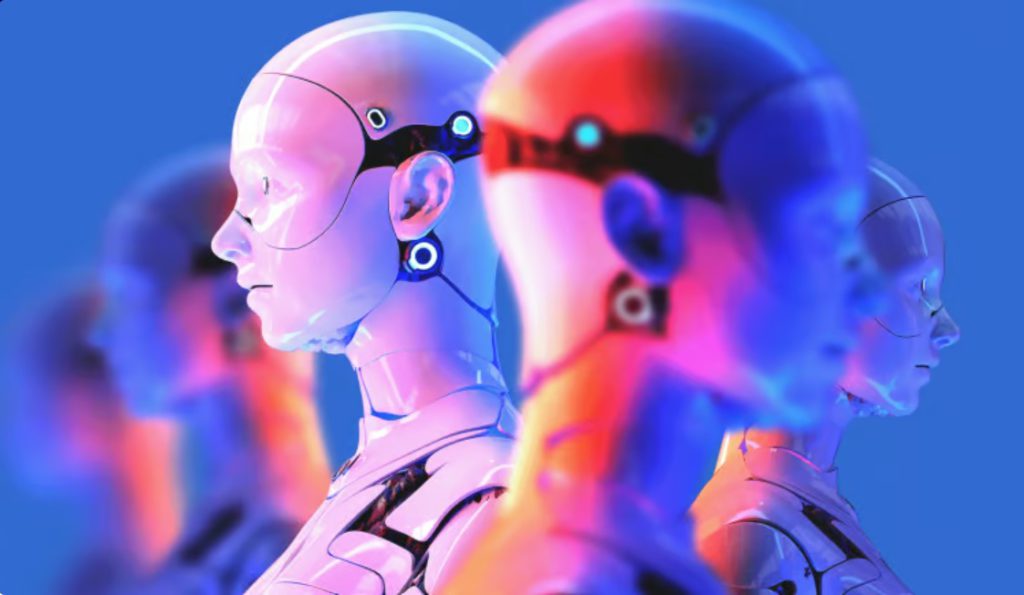
The field of humanoid robots is evolving rapidly, and 2026 is set to be a landmark year for product releases in this space. Humanoid robots are designed to mimic human appearance and behavior, with the goal of making robots more user-friendly and intuitive in their interactions with people.
- AI Integration: The integration of advanced artificial intelligence and natural language processing (NLP) has made humanoid robots significantly more capable in communication, reasoning, and learning from human interactions.
- Product Releases: Notable product releases like Boston Dynamics’ Atlas, Honda’s ASIMO, and SoftBank’s Pepper have set the bar for humanoid robots. These robots are becoming increasingly sophisticated in their ability to walk, grasp objects, and respond to spoken commands.
- Applications: These robots are being deployed in customer service, healthcare, retail, and even as companions for elderly people in need of emotional support.
Humanoid robots represent one of the most futuristic, yet tangible, trends in robotics today, demonstrating how far we’ve come in designing machines that interact with us on a human level.
2.3 Autonomous Robots and Mobile Platforms
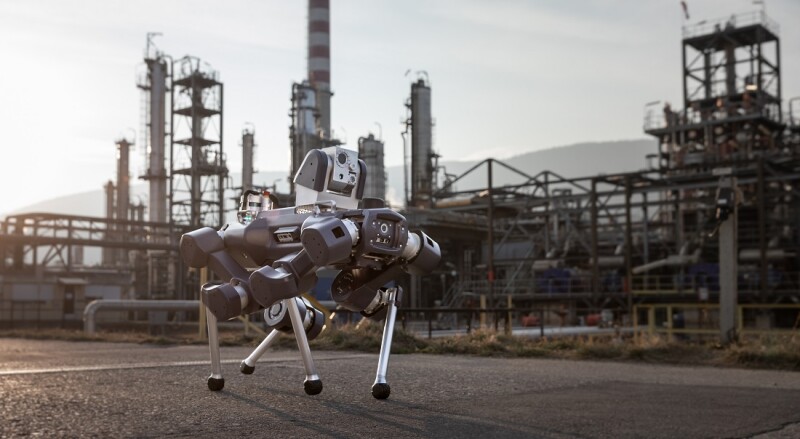
Another trend that is gaining momentum is the development of autonomous robots capable of navigating and performing tasks in dynamic, real-world environments without human intervention. These robots leverage computer vision, LiDAR, AI-driven navigation, and deep learning to perform tasks such as:
- Autonomous vehicles: Self-driving cars and trucks from companies like Waymo and Tesla are using AI-powered robots to navigate urban streets and highways with minimal human oversight.
- Delivery robots: Robots designed to autonomously deliver food, packages, and medical supplies are increasingly common in urban environments.
- Warehouse robots: Companies like Kiva Systems (now Amazon Robotics) and GreyOrange are utilizing autonomous robots to pick and pack items in warehouses, speeding up the fulfillment process and reducing human labor.
The autonomy of these robots is fueled by cutting-edge AI and machine learning, enabling them to interpret complex, real-time data from their environment and adjust their actions accordingly.
2.4 Robotic Exoskeletons
Another explosive trend in robotics is the development of robotic exoskeletons, which are wearable devices that help individuals with mobility impairments walk, stand, or lift heavy objects. These robots are increasingly being used for:
- Medical Rehabilitation: Robotic exoskeletons are being used to help people with spinal cord injuries, stroke victims, and those suffering from other mobility disorders regain their ability to walk.
- Industrial Applications: Exoskeletons are also being deployed in industries where workers are required to perform physically demanding tasks. These systems can reduce fatigue, improve performance, and decrease the risk of injury.
Notable releases in this area include products like Ekso Bionics’ EksoGT, ReWalk’s exoskeleton, and Tesla‘s robotic exo-arm to help workers in factories. With growing acceptance and technological maturity, robotic exoskeletons will likely see broader adoption in the coming years.
2.5 Advanced Robotic Sensors and Vision Systems
In parallel with advancements in robot hardware, the sensors that enable robots to interact with their environment are evolving rapidly. Key trends in robotic sensors include:
- Computer Vision: Advances in deep learning and image recognition allow robots to interpret and understand their surroundings in much more complex ways.
- LiDAR and 3D Mapping: LiDAR technology, once reserved for autonomous vehicles, is now being integrated into industrial robots to enhance navigation and spatial awareness.
- Multi-Sensor Fusion: Robots now combine data from multiple sensors—such as camera systems, depth sensors, and ultrasonic sensors—to gain a more holistic understanding of their environment.
These advancements enable robots to perform a wider array of tasks with higher precision and adaptability, making them more suitable for deployment in a variety of environments.
3. Evaluation and Testing of Robotic Products
3.1 Real-World Testing in Dynamic Environments
While robots may function perfectly in controlled lab environments, the real test comes in real-world scenarios. Evaluating a robot’s performance in dynamic, unpredictable settings is crucial to understanding its true capabilities.
- Autonomous Navigation: For autonomous robots, real-world testing involves navigating complex environments such as urban streets, warehouses, and factories, where obstacles and unexpected challenges arise.
- Human-Robot Interaction: The evaluation of cobots and humanoid robots focuses on their ability to collaborate effectively with humans, with particular attention paid to safety, ease of use, and the intuitiveness of interaction.
3.2 Metrics for Success
Successful robotic products are typically evaluated using a combination of technical and operational metrics:
- Precision and Accuracy: How well can robots perform tasks like picking, placing, or navigating with high levels of precision?
- Reliability and Durability: How long can robots operate in the field without malfunctioning? This is particularly important for industrial robots working in harsh environments.
- Cost-Effectiveness: How cost-effective are robots relative to the benefits they bring? This metric is critical for assessing the return on investment (ROI) for robotics in commercial settings.
3.3 Certification and Standards
With the increasing deployment of robots in public-facing applications, there is a growing need for safety standards and certification. In industries such as healthcare and autonomous driving, robots must meet rigorous safety requirements to ensure they operate without endangering human life.
Conclusion: The Future of Robot Product Releases
The global robotics market is entering an exciting phase, characterized by explosive product releases and rapid technological advancements. From cobots to autonomous vehicles, from humanoid robots to robotic exoskeletons, these new systems are poised to revolutionize industries, enhance human capabilities, and transform daily life.
As the pace of innovation continues to accelerate, the robotics industry will not only see continued improvements in performance and intelligence but also in affordability and accessibility. This convergence of technological breakthroughs will lay the foundation for a future where robots become indispensable partners in our personal and professional lives.
The next few years will undoubtedly see even more disruptive trends and game-changing products emerge, marking the dawn of a new age of robotics. As these products continue to shape the future, the question is no longer if robots will change the world—it’s how and when.