









Introduction
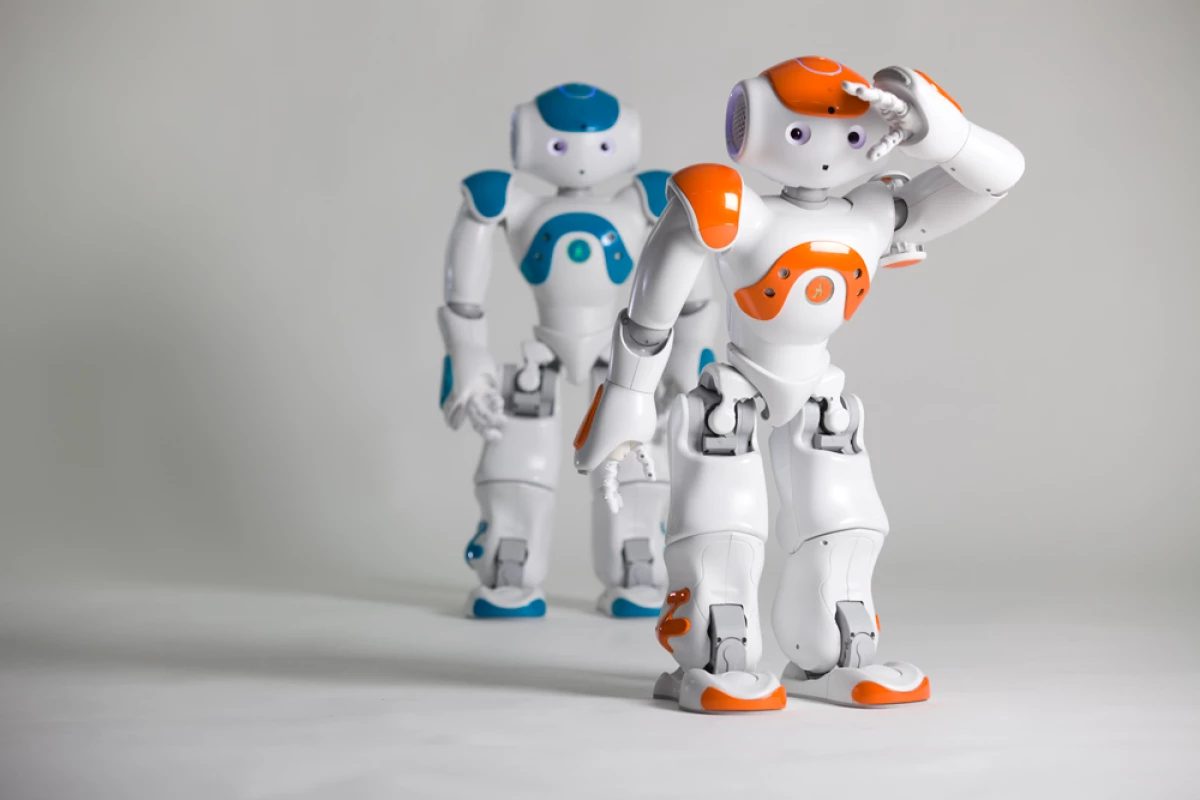
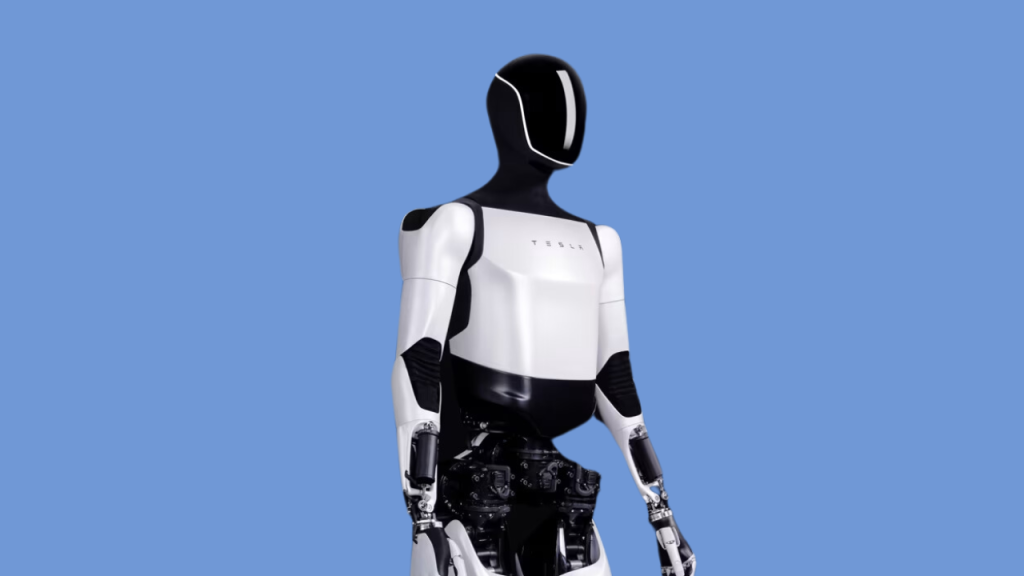
Humanoid robotics has entered a new era. The latest generation of humanoid robots exhibits unprecedented levels of dynamic control, allowing them to perform complex tasks, maintain balance under varying conditions, and interact safely with humans in unstructured environments. Unlike early robots that relied on rigid pre-programmed motions, modern humanoids integrate advanced control algorithms, high-performance actuators, and real-time sensory feedback to adapt to dynamic situations. This progress is not only a testament to engineering innovation but also marks a transformative stage for applications in healthcare, logistics, disaster response, and service industries.
This article explores the technological foundations of dynamic control in humanoid robots, examines their practical applications, analyzes global research and development efforts, and highlights the future potential of these sophisticated machines.
1. Historical Development of Humanoid Robotics
1.1 Early Humanoid Robots
The concept of humanoid robots dates back to the 20th century, with early prototypes such as WABOT-1 (1973, Japan) demonstrating basic walking and object-handling capabilities. However, these robots were limited by mechanical constraints, low processing power, and simplistic control schemes, resulting in rigid and often unnatural movements.
1.2 Evolution of Control Systems
Advances in control theory have been pivotal for humanoid robotics. Key milestones include:
- PID Control Systems: Early humanoids relied on proportional-integral-derivative (PID) controllers for motor actuation and joint stabilization.
- Model-Based Control: Robotics researchers introduced dynamic modeling of multi-joint systems to predict motion and improve stability.
- Whole-Body Control (WBC): Modern robots now optimize control of multiple joints simultaneously, coordinating limb movements to achieve complex dynamic tasks.
1.3 Emergence of Dynamic Control
Dynamic control refers to a robot’s ability to maintain balance, adapt to disturbances, and perform agile movements in real-time. This capability is essential for:
- Walking on uneven terrain
- Jumping, running, or climbing stairs
- Recovering from external pushes or slips
Next-generation humanoids combine high-performance hardware and sophisticated software to achieve these behaviors.
2. Technological Foundations of Advanced Dynamic Control
2.1 High-Performance Actuators
Actuators are the muscles of humanoid robots. Key developments include:
- Series Elastic Actuators (SEAs): Incorporate compliant elements to absorb shocks and improve force control.
- High-Torque Brushless Motors: Deliver precise and powerful motion required for dynamic activities.
- Compact, Lightweight Actuators: Reduce energy consumption while enhancing agility.
These actuators allow humanoid robots to execute rapid, precise movements while maintaining stability.
2.2 Sensor Integration
Dynamic control requires real-time environmental awareness. Modern humanoids are equipped with:
- IMUs (Inertial Measurement Units): Measure angular velocity and linear acceleration for balance.
- Force/Torque Sensors: Detect external forces applied to limbs or the robot body.
- Vision Systems: LIDAR and stereo cameras enable obstacle detection and terrain mapping.
- Tactile Sensors: Embedded in hands and feet to enhance dexterity and grip stability.
2.3 Advanced Control Algorithms
Dynamic motion is enabled by sophisticated algorithms:
- Model Predictive Control (MPC): Optimizes robot motion by predicting future states and adjusting joint trajectories accordingly.
- Whole-Body Control (WBC): Coordinates multiple joints and limbs to achieve balance, locomotion, and manipulation simultaneously.
- Reinforcement Learning (RL): Allows robots to learn adaptive behaviors through trial-and-error in simulations or controlled environments.
- Impedance and Admittance Control: Enable compliant interactions with humans and objects, absorbing shocks and adjusting force output dynamically.
2.4 Real-Time Computation
Humanoid robots require low-latency, high-performance computing to process sensor data, solve control equations, and generate motor commands. Recent innovations include:
- Embedded GPUs: Support real-time AI inference for perception and motion planning.
- FPGA-Based Control Systems: Provide deterministic timing for high-frequency joint control loops.
- Edge Computing Integration: Reduces dependence on cloud servers for latency-sensitive tasks.
3. Locomotion and Dynamic Balance
3.1 Bipedal Walking
Dynamic walking allows humanoid robots to maintain stability on uneven or moving surfaces. Key techniques include:
- Zero Moment Point (ZMP) Control: Ensures the robot’s center of pressure remains within the support polygon during motion.
- Capture Point Planning: Calculates steps needed to recover from disturbances, such as external pushes.
- Adaptive Foot Trajectory Generation: Enables smooth transitions over obstacles and stairs.
3.2 Running and Jumping
Next-generation humanoids can achieve:
- High-Speed Locomotion: Coordinated leg motion and precise torque control allow controlled running.
- Jumping and Landing: Dynamic adjustment of limb stiffness and balance ensures stable landings without falling.
3.3 External Disturbance Recovery
Advanced humanoids can resist and recover from perturbations:
- Push Recovery Strategies: Combine joint torques and step adjustments to maintain balance.
- Compliant Limb Motion: Absorbs shocks without destabilizing the robot.
Dynamic recovery capabilities are critical for real-world deployment, particularly in unpredictable environments.
4. Manipulation and Dexterity
4.1 Multi-DoF Hands
Humanoid robots are equipped with multi-degree-of-freedom (DoF) hands to manipulate objects with precision:
- Anthropomorphic Design: Mimics human hand kinematics for natural grasping.
- Tactile Feedback: Sensors detect grip force, slippage, and object texture.
- Adaptive Grasping Algorithms: Adjust finger trajectories in real-time to secure objects.
4.2 Coordinated Whole-Body Movements
Dynamic manipulation often requires the coordination of arms, torso, and legs:
- Object Transport While Walking: Maintaining balance while carrying heavy or irregular objects.
- Tool Use: Swinging or pushing tools dynamically without compromising stability.
- Human-Robot Interaction: Safe and adaptive motion when interacting with humans in shared environments.
5. Applications of Next-Generation Humanoids
5.1 Healthcare
Humanoid robots assist in:
- Rehabilitation: Providing physical therapy and monitoring patient movements.
- Elder Care: Supporting mobility, monitoring vital signs, and performing daily assistance.
- Surgical Assistance: Performing precise, dynamic motions under human supervision.
5.2 Disaster Response
Dynamic humanoids can navigate hazardous environments:
- Search and Rescue: Walking over rubble and climbing obstacles.
- Dangerous Task Execution: Operating in toxic, radioactive, or unstable conditions.
- Remote Teleoperation: Allowing human operators to control the robot dynamically from safe locations.
5.3 Logistics and Service Industries
Humanoids enhance productivity in dynamic settings:
- Material Handling: Lifting and transporting objects in warehouses with dynamic balance.
- Customer Service: Interacting naturally with humans while performing adaptive tasks.
- Construction Assistance: Carrying materials and performing assembly in unstructured environments.
5.4 Research and Education
Advanced humanoids serve as platforms for:
- Studying human biomechanics and motor control
- Developing AI algorithms for perception, motion planning, and dynamic adaptation
- Testing safety protocols for human-robot collaboration
6. Global Research and Development Landscape
6.1 Leading Institutions
- Japan: Universities and companies like Honda and Toyota focus on bipedal walking and dynamic balance.
- United States: Boston Dynamics, MIT, and Carnegie Mellon University lead in AI-driven dynamic motion.
- Europe: ETH Zurich, University of Stuttgart, and PAL Robotics advance humanoid manipulation and whole-body control.
- China: Tsinghua University and Shanghai Jiao Tong University focus on intelligent humanoids for healthcare and service robots.
6.2 Industrial Partnerships
Collaborations between academia and industry accelerate innovation:
- Joint research on actuators, sensors, and control algorithms
- Integration of AI, computer vision, and dynamic simulation
- Development of commercial applications in logistics, healthcare, and service robotics
6.3 Patent and Intellectual Property Trends
Next-generation humanoids rely heavily on proprietary technologies:
- Actuator designs for compliant and high-torque motion
- AI-based dynamic control and reinforcement learning algorithms
- Sensor fusion and real-time feedback integration
Strong IP portfolios provide strategic advantages in commercial deployment and global competition.
7. Challenges and Limitations
7.1 Energy Efficiency
Dynamic humanoids consume significant power during high-speed motion or complex manipulation. Battery technology and energy regeneration strategies are critical for operational autonomy.
7.2 Robustness in Real-World Environments
Despite advanced control, unexpected terrain, weather conditions, or human interactions can challenge stability and performance.
7.3 Computational Complexity
Whole-body dynamic control, combined with real-time perception, requires high computational resources, limiting portability and cost-effectiveness.
7.4 Safety and Human Interaction
Ensuring safe operation around humans is crucial. Compliance control, predictive motion planning, and collision avoidance are active research areas.
8. Future Directions
8.1 AI-Enhanced Adaptation
Reinforcement learning and adaptive algorithms will enable robots to generalize motion across unstructured environments.
8.2 Bio-Inspired Design
Integration of biological principles in limb design, muscle-like actuators, and neural control models will improve efficiency, agility, and robustness.
8.3 Multi-Robot Collaboration
Dynamic humanoids may work in teams, coordinating motion and manipulation tasks for large-scale industrial or disaster-response operations.
8.4 Human-Robot Symbiosis
Next-generation humanoids will integrate seamlessly into human environments, performing assistive tasks while learning from human behavior and feedback.
8.5 Integration with IoT and Digital Twins
Connecting humanoids to cloud platforms, IoT sensors, and digital twin simulations will optimize performance, predict maintenance needs, and enhance decision-making in real-time.
Conclusion
Next-generation humanoid robots represent a paradigm shift in robotics, demonstrating advanced dynamic control capabilities that enable agile locomotion, dexterous manipulation, and safe human interaction. These robots are no longer confined to laboratories; they are poised to transform industries such as healthcare, logistics, disaster response, and service sectors.
The combination of high-performance actuators, sophisticated sensors, real-time computation, and AI-driven control algorithms allows humanoids to move closer to human-like adaptability and autonomy. While challenges remain—particularly in energy efficiency, robustness, and safety—the trajectory of development points toward increasingly capable humanoids that can operate dynamically in complex, real-world environments.
As global research and industrial efforts converge, the next decade promises humanoid robots that are not just experimental machines but integral participants in human society—capable of performing tasks with unprecedented dexterity, intelligence, and resilience.