









Introduction
The robotics industry is undergoing rapid transformation driven by automation, artificial intelligence (AI), and advanced manufacturing. Among the most critical components in modern robotics are modular robotic arms, grippers (end-effectors), and sensors. These components not only define a robot’s physical capabilities but also determine its flexibility, efficiency, and commercial viability across industries.
Modularity allows robotic systems to be rapidly reconfigured for multiple tasks, grippers provide versatile interaction with objects of varying shapes and materials, and sensors enable perception, adaptation, and autonomous decision-making. Together, these elements form the backbone of modern industrial, service, and collaborative robotics.
This article provides a comprehensive analysis of the commercial value of modular arms, grippers, and sensors. It examines their technological development, market dynamics, industrial applications, business models, and future prospects, highlighting why investment in these components drives both profitability and innovation.
1. Modular Robotic Arms: Flexibility Meets Scalability
1.1 Definition and Technological Features
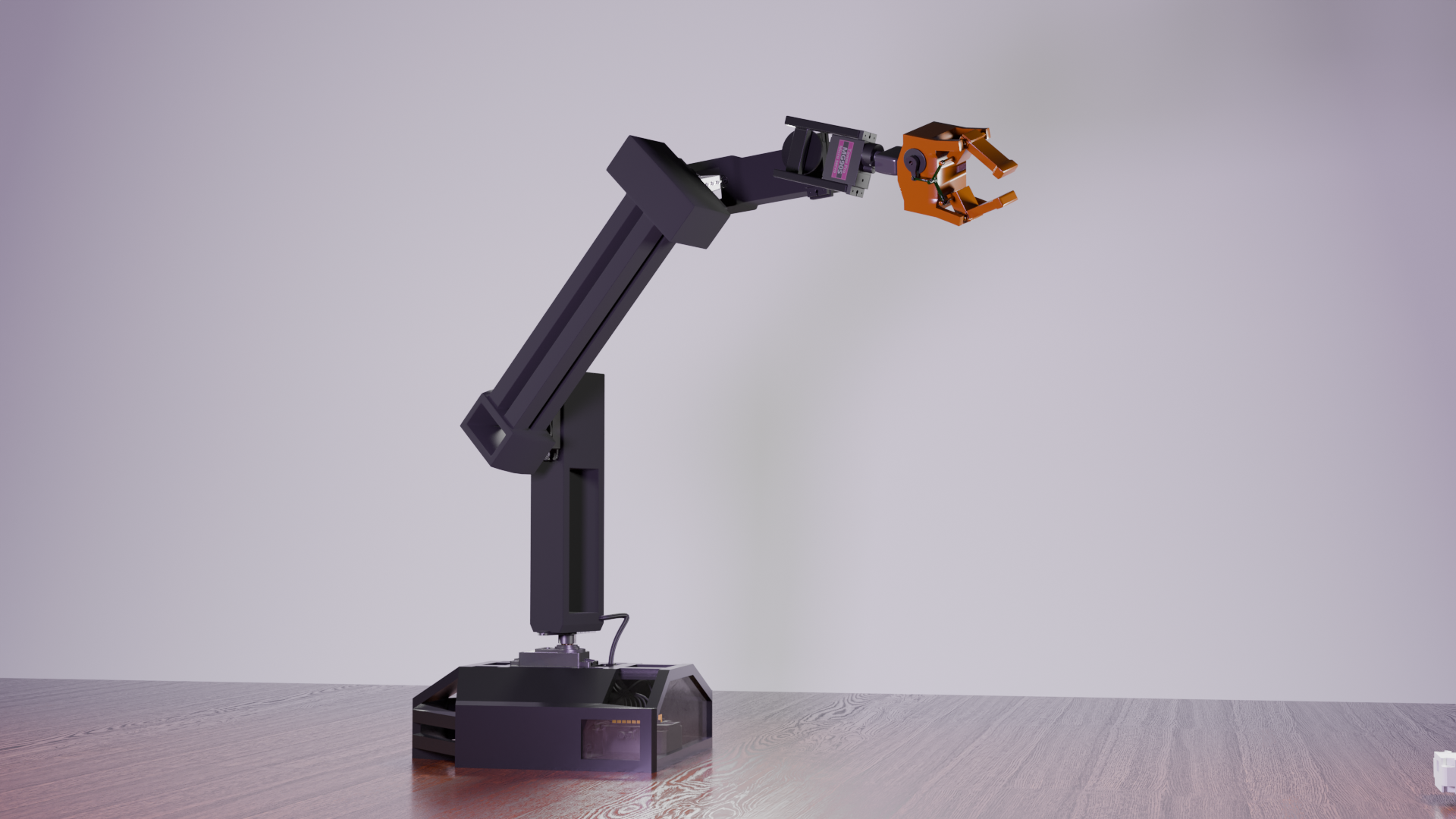
A modular robotic arm is composed of interchangeable segments (modules) that can be reconfigured to meet specific task requirements. Key features include:
- Interchangeable joints and links: Facilitate adjustments in reach, orientation, and payload capacity.
- Integrated actuators and control systems: Allow precise motion control and adaptability.
- Compatibility with multiple end-effectors: Enables a single arm to perform a wide range of tasks.
1.2 Commercial Advantages
The modularity of robotic arms directly translates into commercial value:
- Reduced Capital Costs: One modular arm can serve multiple roles, reducing the need for dedicated robots for each task.
- Rapid Deployment: Modular systems can be reconfigured quickly to adapt to production changes or new applications.
- Scalability: Enterprises can expand robotic operations incrementally by adding modules rather than purchasing entirely new robots.
1.3 Industrial Applications
Modular arms are particularly valuable in:
- Automotive Manufacturing: Adapting arm configurations for welding, painting, and assembly tasks.
- Electronics and Semiconductors: Precision placement and handling of delicate components.
- Food and Packaging: Flexible arrangements for varying package sizes and production lines.
1.4 Market Potential
The global market for modular robotic arms is expanding due to demand for adaptable automation solutions. Key drivers include:
- Increasing industrial flexibility requirements.
- Growth of small and medium-sized enterprises seeking affordable automation.
- Expansion of cobots and collaborative automation in mixed human-robot environments.
2. Robotic Grippers: The Key to Dexterous Interaction
2.1 Types and Functionalities
Robotic grippers are the end-effectors that enable robots to physically interact with objects. They vary widely in design:
- Mechanical Grippers: Rely on fingers or clamps; ideal for standardized shapes.
- Vacuum Grippers: Use suction for delicate or irregular items.
- Soft Grippers: Utilize flexible materials to handle fragile objects.
- Adaptive and Multi-Modal Grippers: Capable of switching between different grasping strategies based on AI input or sensor feedback.
2.2 Commercial Value
Grippers are critical for maximizing operational efficiency and reducing product damage:
- Versatility: Multi-purpose grippers allow one robot to perform multiple tasks, reducing downtime and cost.
- Precision and Reliability: High-performance grippers reduce errors, waste, and production losses.
- Customization: Companies can design grippers tailored to unique industrial needs, creating opportunities for specialized robotics solutions.
2.3 Industrial Applications
Grippers enhance robot utility across sectors:
- Logistics and Warehousing: Handling packages of different sizes and materials.
- Healthcare: Robotic surgical tools and laboratory automation.
- Consumer Goods: Assembly, packaging, and handling of delicate or irregular items.
2.4 Market Implications
The demand for advanced grippers is growing alongside modular robotic arms:
- Gripper suppliers can capture high-margin segments by providing AI-compatible, adaptable solutions.
- Modular grippers expand the utility of a single robotic system, enhancing ROI for end-users.
- Integration with sensors and AI increases the overall market value of robotic systems.
3. Sensors: The Intelligence Behind Robotic Precision
3.1 Sensor Types and Capabilities
Sensors are essential for autonomous and adaptive robotic operations. Common types include:
- Vision Sensors: Cameras, LiDAR, and 3D scanners for object detection and environment mapping.
- Force and Tactile Sensors: Measure contact forces, enabling delicate and precise handling.
- Proximity and Motion Sensors: Ensure safe navigation and collision avoidance.
- Environmental Sensors: Detect temperature, humidity, or chemical presence in specialized applications.
3.2 Commercial Value
Sensors provide measurable commercial benefits:
- Autonomy and Safety: Enable robots to perform tasks with minimal human oversight while ensuring safety.
- Process Optimization: Sensor feedback allows real-time adjustment of robotic operations, improving efficiency and reducing waste.
- Data-Driven Insights: Continuous data collection informs predictive maintenance, operational analytics, and quality control.
3.3 Industrial Applications
- Manufacturing: Precision assembly, welding, and inspection.
- Logistics: Autonomous mobile robots equipped with vision and motion sensors.
- Healthcare: Surgical robots and automated lab equipment.
- Agriculture: Environmental sensors guide robotic harvesting and crop monitoring.
3.4 Market Outlook
- Sensor integration is a key differentiator in high-end robotics markets.
- AI-enhanced sensors increase the commercial value of robotic platforms by enabling adaptive, autonomous decision-making.
- The growth of IoT and Industry 4.0 drives demand for intelligent sensor-equipped robotic solutions.
4. Synergy Between Modular Arms, Grippers, and Sensors
The true commercial value of robotics arises from system-level integration:
- Adaptive Functionality: Modular arms combined with smart grippers and sensors create robots capable of handling diverse tasks without manual reprogramming.
- Enhanced ROI: Integrated systems reduce downtime, increase throughput, and minimize labor requirements.
- Market Differentiation: Companies offering fully modular, sensor-equipped, and AI-enabled robots can command premium pricing and attract long-term industrial clients.
5. Business Models and Revenue Opportunities
5.1 Hardware Sales
Traditional revenue streams include selling robotic arms, grippers, and sensors. Modular and adaptive systems command higher margins due to their versatility and scalability.
5.2 Robot-as-a-Service (RaaS)
- Subscription-based models allow companies to deploy modular robots without large capital expenditure.
- AI and sensor updates are delivered as part of ongoing service, increasing customer retention.
5.3 Custom Solutions and Consulting
- Offering custom gripper designs, sensor integration, and modular arm configurations can generate premium revenue.
- Consulting services for workflow optimization and AI integration further enhance commercial value.
5.4 Software and Analytics
- Sensor data and AI-driven performance analytics can be monetized through cloud platforms.
- Predictive maintenance, process optimization, and digital twin modeling are growing revenue streams.
6. Challenges and Considerations
Despite the clear commercial potential, there are challenges:
6.1 Technical Integration
- Ensuring compatibility between modular arms, grippers, and diverse sensors can be complex.
- Software interoperability and calibration are critical for seamless operation.
6.2 Cost and ROI
- High initial costs may deter SMEs, although RaaS models mitigate this.
- Long-term ROI depends on adaptability, reliability, and ease of maintenance.
6.3 Market Fragmentation
- Numerous suppliers of arms, grippers, and sensors create integration challenges.
- Standardization efforts are ongoing but not yet universal.
6.4 Skill Requirements
- Operators must be trained in configuring modular systems, programming adaptive behavior, and interpreting sensor data.
- AI integration requires expertise in machine learning and robotics software.
7. Future Trends and Opportunities
7.1 AI-Enhanced Grippers and Sensors
- AI-driven perception and force control enable robots to autonomously adjust grip strength, speed, and trajectory based on object properties.
- Intelligent sensors combined with grippers allow robots to self-correct during tasks, increasing efficiency and reducing waste.
7.2 Plug-and-Play Modularity
- Standardized modular interfaces will reduce integration time and cost.
- Businesses can scale automation by adding modules or upgrading sensors without replacing entire systems.
7.3 Collaborative Robotics
- Cobots using modular arms, adaptive grippers, and sensor feedback can safely collaborate with humans in dynamic environments.
- Applications in healthcare, retail, and logistics will grow significantly.
7.4 Data-Driven Optimization
- Sensor data enables predictive maintenance and workflow optimization.
- Cloud-based analytics allows modular robotic systems to learn collectively, further enhancing commercial value.
Conclusion
The commercial value of modular robotic arms, grippers, and sensors lies in their flexibility, adaptability, and intelligence. Modular arms allow businesses to scale and adapt operations rapidly. Grippers enable robots to handle diverse objects with precision, and sensors provide the perception required for autonomous, data-driven decision-making.
Together, these components create highly versatile robotic systems capable of delivering efficiency, productivity, and cost savings across industries. The integration of AI and cloud computing further enhances their utility, enabling autonomous operation, predictive analytics, and collaborative workflows.
For businesses and investors, modular, sensor-equipped, and AI-integrated robots represent a high-value investment opportunity, combining short-term operational gains with long-term adaptability and technological leadership. As Industry 4.0 continues to unfold, the synergy between robotic arms, grippers, and sensors will define the next generation of automation, unlocking unprecedented commercial and industrial potential.