









Introduction
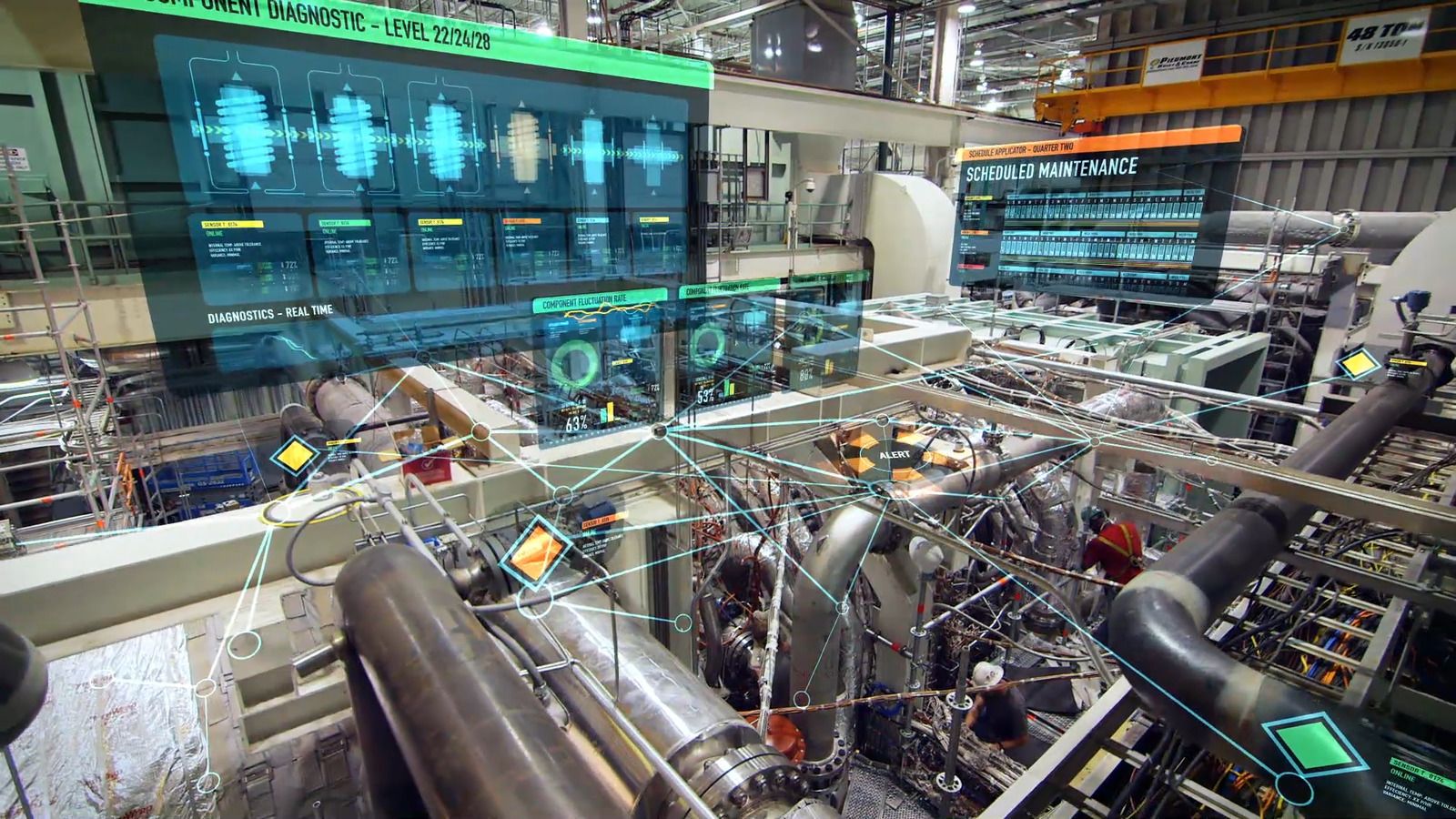
In the era of Industry 4.0, digital twin technology has emerged as a transformative tool for logistics and manufacturing, enabling real-time monitoring, predictive analysis, and process optimization. A digital twin is a virtual replica of a physical system, integrating data from sensors, industrial IoT devices, and enterprise systems to provide actionable insights.
By bridging the physical and digital worlds, digital twins allow companies to simulate, predict, and optimize operations before implementing changes on the shop floor or in distribution networks. The benefits are multi-fold: increased efficiency, reduced downtime, cost savings, improved quality, and better decision-making.
This article provides a comprehensive analysis of digital twin applications in logistics and manufacturing, including architecture, technologies, practical case studies, and future directions.
1. Understanding Digital Twin Technology
1.1 Definition
A digital twin is a dynamic, real-time digital representation of a physical object, system, or process. Key characteristics include:
- Data Integration: Real-time sensor and operational data
- Simulation and Modeling: Predictive and prescriptive analytics
- Closed-Loop Feedback: Continuous synchronization between the physical and digital environments
1.2 Components
- Physical Entity: Machinery, production lines, vehicles, warehouses
- Digital Replica: 3D models, process models, or software simulations
- Data Pipeline: Sensors, IoT devices, cloud computing platforms
- Analytics and AI: Machine learning algorithms for prediction, anomaly detection, and optimization
- User Interface: Dashboards, AR/VR tools, or mobile applications for human interaction
1.3 Types of Digital Twins
- Component-Level Twin: Individual machine or device monitoring
- System-Level Twin: Entire production line or logistics network
- Process Twin: Workflow and operational efficiency modeling
- Enterprise Twin: Integrates supply chain, manufacturing, and business systems
2. Digital Twin in Manufacturing
2.1 Applications
- Predictive Maintenance
- Digital twins monitor real-time machine conditions
- Predict failures before they occur using machine learning
- Reduce unplanned downtime and maintenance costs
- Process Optimization
- Simulate different production schedules and material flows
- Identify bottlenecks, optimize throughput, and reduce energy consumption
- Quality Control
- Detect anomalies and deviations from specifications
- Enable root cause analysis through historical and real-time data
- Product Design and Testing
- Virtual prototypes allow rapid iteration
- Simulate performance under various operational conditions
2.2 Case Study: Automotive Manufacturing
- Physical Entity: Robotic assembly lines
- Digital Twin Implementation: 3D simulation of robots, conveyor belts, and process workflows
- Results:
- Reduced downtime by 25%
- Increased throughput by 15%
- Optimized energy consumption through predictive scheduling
3. Digital Twin in Logistics
3.1 Applications
- Warehouse Management
- Real-time tracking of inventory, AGVs, and storage space
- Dynamic routing and storage optimization
- Fleet Management
- Vehicle condition monitoring
- Predictive maintenance and route optimization
- Supply Chain Simulation
- Model end-to-end supply chain performance
- Identify delays, forecast demand, and mitigate risks
- Order Fulfillment Optimization
- Simulate different picking, packing, and shipping scenarios
- Reduce lead times and operational costs
3.2 Case Study: E-Commerce Warehouse
- Physical Entity: Large fulfillment center with automated sorting robots
- Digital Twin Implementation: Real-time 3D warehouse model integrated with sensor data
- Results:
- 20% faster order processing
- Reduced congestion in picking areas
- Improved inventory accuracy and reduced stockouts
4. Enabling Technologies
4.1 Internet of Things (IoT)
- Sensors and connected devices collect operational and environmental data
- High-frequency data acquisition ensures accurate twin representation
4.2 Cloud Computing and Edge Computing
- Cloud: High-volume storage and computation for simulation
- Edge: Low-latency processing for real-time control and decision-making
4.3 Artificial Intelligence and Machine Learning
- Predictive models for maintenance and process optimization
- Anomaly detection and prescriptive analytics
4.4 3D Modeling and Simulation
- CAD models, physics-based simulations, and virtual reality visualization
- Essential for layout planning, workflow optimization, and operator training
4.5 Data Integration and Analytics Platforms
- MES (Manufacturing Execution Systems) and ERP integration
- Unified dashboards for real-time monitoring and analytics
5. Benefits of Digital Twins
| Category | Benefits |
|---|---|
| Operational Efficiency | Optimized workflows, reduced downtime, improved throughput |
| Cost Reduction | Predictive maintenance, energy efficiency, inventory management |
| Risk Mitigation | Simulate scenarios, anticipate bottlenecks, and prevent failures |
| Quality Enhancement | Real-time monitoring and anomaly detection improve product quality |
| Decision Support | Data-driven insights for strategic and operational decisions |
6. Implementation Challenges
6.1 Data Management
- High volume, velocity, and variety of IoT data
- Requires robust storage, synchronization, and processing pipelines
6.2 System Integration
- Integrating legacy systems, diverse sensors, and enterprise software is complex
- Interoperability standards are essential
6.3 Security and Privacy
- IoT and digital twins introduce cybersecurity risks
- Sensitive production or logistics data must be protected
6.4 Model Accuracy
- Digital twin fidelity depends on sensor accuracy and model precision
- Continuous calibration and updates are critical
6.5 Cost and ROI
- High initial investment in sensors, computing, and software
- ROI realized gradually through efficiency gains and reduced downtime
7. Best Practices for Effective Deployment
- Start Small: Pilot projects on specific machines, processes, or warehouse zones
- Data-First Approach: Ensure accurate and continuous data acquisition
- Modular Architecture: Build scalable and flexible twin systems
- Integration with AI: Leverage predictive analytics for maximum value
- Cross-Functional Collaboration: Align IT, operations, and management teams
- Continuous Improvement: Regularly update digital twin models with real-world feedback
8. Future Directions
8.1 Edge Digital Twins
- Real-time simulation and decision-making at the edge
- Reduces latency and dependence on cloud computing
8.2 Autonomous Decision-Making
- Digital twins integrated with AI control systems for self-optimizing factories and warehouses
- Enables autonomous scheduling, routing, and resource allocation
8.3 Multi-Layer Digital Twins
- Integration of component-level, system-level, and enterprise-level twins
- Supports end-to-end operational optimization
8.4 Human-Machine Collaboration
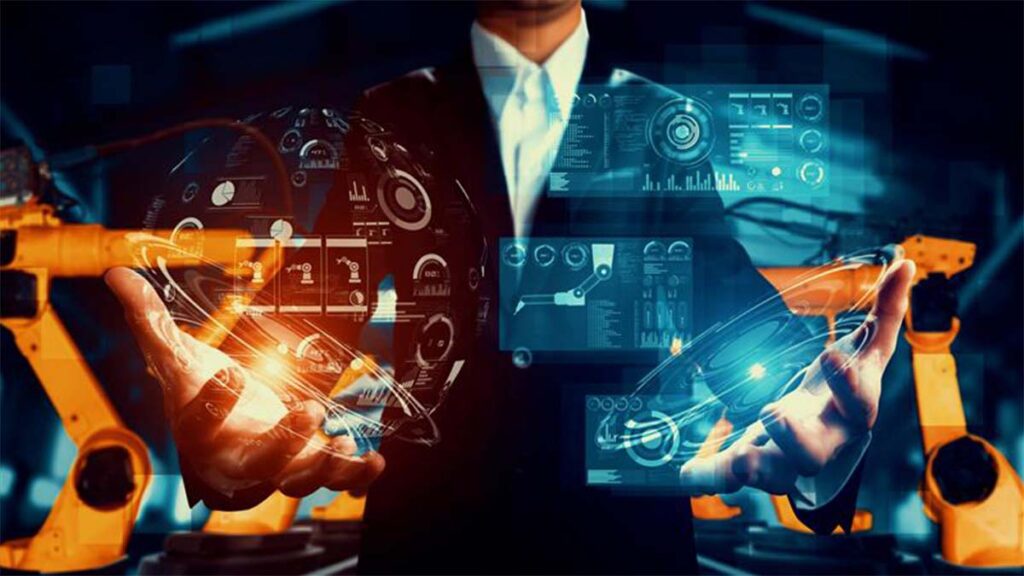
- AR/VR interfaces allow operators to interact with digital twins
- Enhances training, maintenance, and decision-making
8.5 Sustainability
- Simulate energy consumption, waste reduction, and carbon footprint
- Optimize operations for environmental sustainability alongside efficiency
9. Conclusion
Digital twin technology is revolutionizing logistics and manufacturing by creating a seamless connection between physical operations and virtual models. The practical applications include:
- Predictive maintenance for machinery
- Process optimization and throughput enhancement
- Real-time warehouse management and fleet optimization
- Simulation of supply chains for risk mitigation
By leveraging IoT, AI, simulation, and cloud/edge computing, digital twins enable companies to enhance operational efficiency, reduce costs, and improve quality. Despite challenges in integration, data management, and security, the strategic deployment of digital twins represents a competitive advantage in Industry 4.0.
Looking forward, the integration of edge computing, autonomous decision-making, and human-machine collaboration will further amplify the impact of digital twins, ushering in a new era of smart, efficient, and resilient industrial operations.