









Introduction
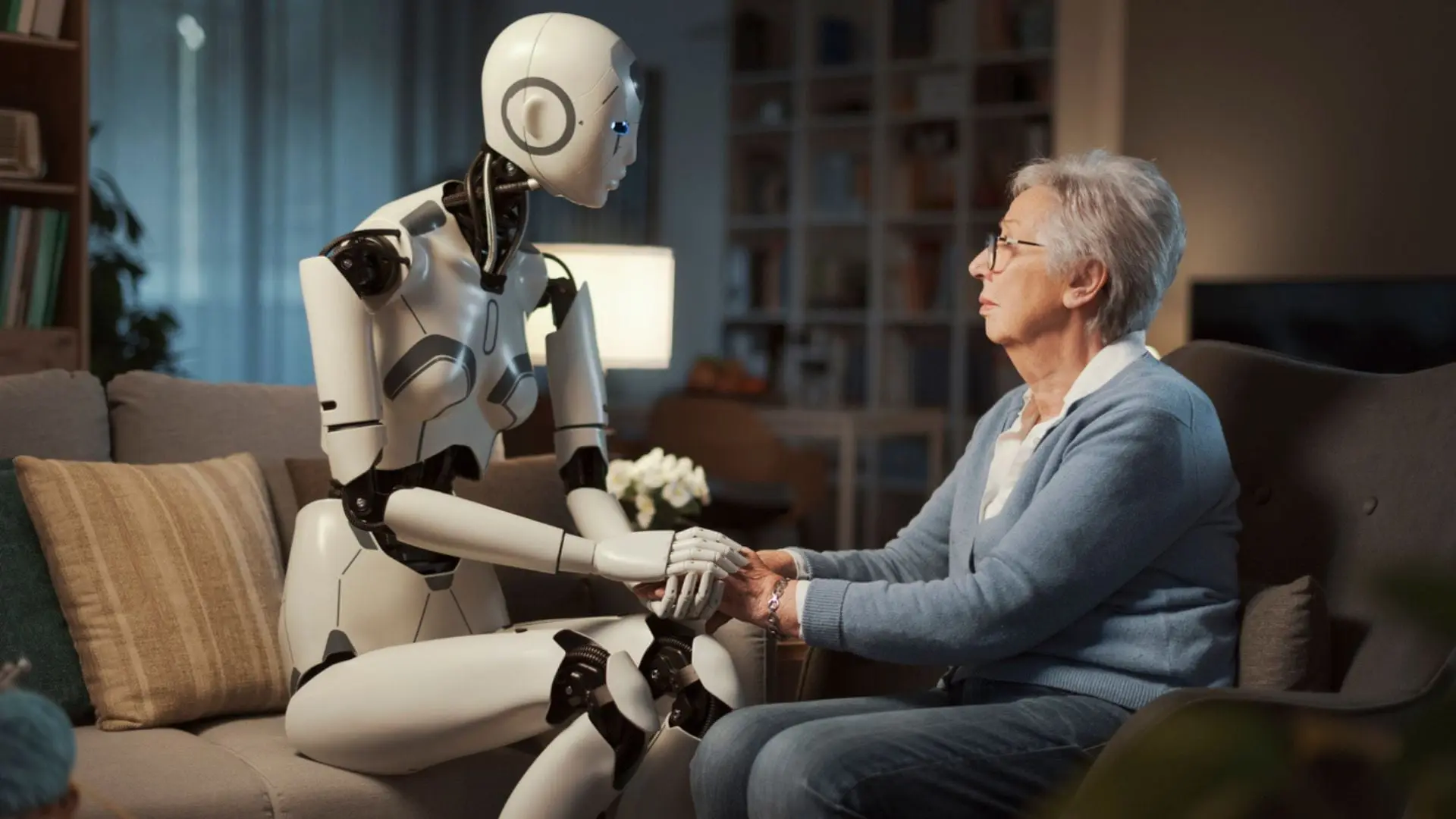
With the rapid advancement of robotics and artificial intelligence, long-term companion robots are becoming increasingly common in households, eldercare facilities, and personal care settings. These robots are designed to provide companionship, assist with daily tasks, and offer emotional support. From humanoid robots to pet-like machines, they are marketed as solutions to aging populations, social isolation, and mental health challenges.
While the potential benefits are substantial—enhancing quality of life, providing reminders, and reducing loneliness—long-term interaction with robots introduces complex psychological and social consequences. These include dependency, attachment issues, identity shifts, and broader societal effects on human relationships.
This article explores the psychological and social implications of long-term companion robots, reviewing current research, case studies, ethical concerns, and future directions.
1. Overview of Long-Term Companion Robots
1.1 Definition
Long-term companion robots are autonomous or semi-autonomous machines designed for sustained interaction with humans. Unlike task-specific robots, these machines emphasize:
- Emotional engagement
- Social interaction
- Cognitive and behavioral support
Examples include:
- Humanoid robots like SoftBank’s Pepper
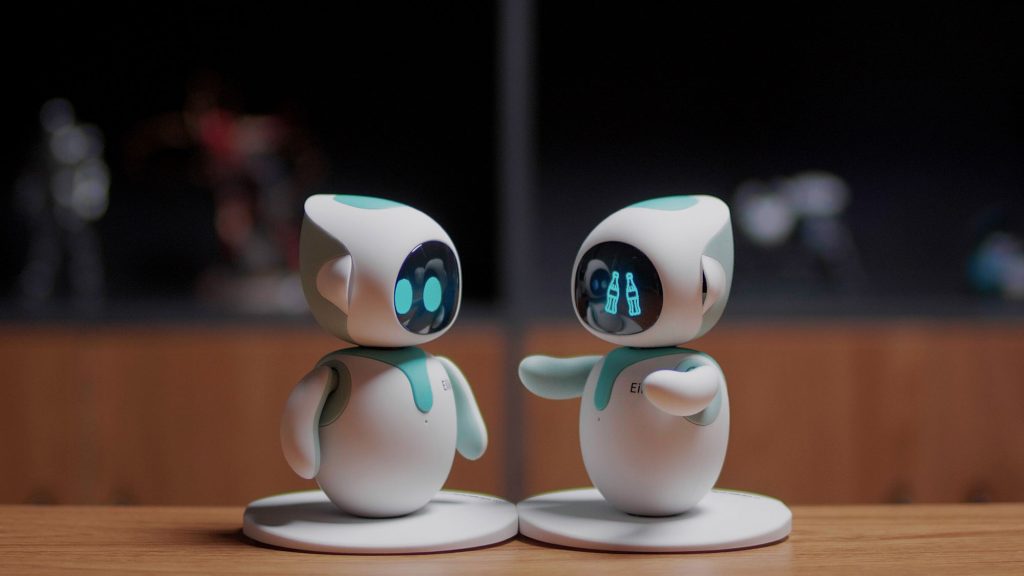
- Pet-like robots such as Sony’s Aibo
- Elder care assistants like Paro the robotic seal
1.2 Intended Functions
- Emotional Support: Alleviating loneliness, providing comfort
- Cognitive Assistance: Reminders, scheduling, and memory support
- Social Engagement: Encouraging interaction and participation in activities
- Physical Assistance: Basic household support or mobility aid
1.3 Technological Features
- Emotion Recognition: Facial expression and speech analysis
- Adaptive Behavior: Learning preferences and routines over time
- Connectivity: Cloud-based updates for intelligence enhancement
- Multimodal Interaction: Voice, gestures, touch, and visual feedback
2. Psychological Impacts
2.1 Attachment and Dependency
Humans are predisposed to form attachments with entities that provide care or respond socially, even when artificial. Long-term companion robots can create:
- Emotional bonds similar to pet ownership or human friendships
- Attachment anxiety if robots malfunction or are removed
- Over-reliance on robots for emotional support
2.2 Anthropomorphism and Cognitive Effects
- Humans often attribute intentions, feelings, and personalities to robots
- Leads to blurred lines between animate and inanimate interactions
- Potential cognitive effects include reduced critical thinking about robot actions and overestimation of their agency
2.3 Social Skill Implications
- Over-reliance on robots for social interaction may reduce human-to-human communication skills
- Especially concerning for children and adolescents in formative stages
- Long-term isolation with robots may exacerbate social withdrawal
2.4 Emotional Regulation and Mental Health
- Robots may provide temporary comfort, but may fail in complex emotional support
- Risks of false security, where users replace human support networks with robotic substitutes
- Potential consequences: depression, anxiety, or emotional stagnation
3. Social Implications
3.1 Family Dynamics
- Robots in domestic environments may shift household roles
- Elderly care robots may reduce perceived need for family visits
- Could lead to social isolation or relational strain despite intended support
3.2 Societal Trust and Ethics
- Long-term companion robots raise questions about privacy, consent, and surveillance
- Emotional manipulation through adaptive AI may create ethical dilemmas
- Societies may face normative challenges in defining human-robot boundaries
3.3 Workforce and Care Industries
- Companion robots may replace human caregivers, impacting jobs and emotional labor
- Benefits include reduced caregiver burnout but may reduce human empathy development
- Raises questions about the balance between efficiency and human connection
3.4 Cultural Variation
- Acceptance and psychological impact of companion robots vary by culture
- Japan exhibits higher acceptance due to social norms valuing technology-mediated companionship
- Western countries may face stronger resistance and ethical concerns regarding human replacement
4. Case Studies
4.1 Paro the Robotic Seal in Elder Care
- Deployed in nursing homes for elderly patients with dementia
- Observed benefits: Reduced stress, increased social interaction among residents
- Challenges: Emotional attachment caused sadness when robots were unavailable; some residents developed dependency behaviors
4.2 Pepper in Domestic Environments
- Social humanoid assisting families with scheduling, education, and reminders
- Positive impacts: Engagement, novelty, entertainment
- Negative effects: Over-reliance for companionship, reduced interaction among family members
4.3 Aibo as a Child’s Companion
- Robotic pets used for play, emotional bonding, and responsibility training
- Benefits: Encourages empathy, care-taking behaviors
- Risks: Children may misattribute life-like qualities, struggle with loss or malfunction
5. Ethical Considerations
5.1 Autonomy and Consent
- Robots can adapt behaviors autonomously, raising questions about user consent in emotional interactions
- Ethical challenges in manipulating emotions for engagement
5.2 Privacy and Data Security
- Companion robots often collect sensitive personal data
- Potential misuse or hacking could lead to emotional, social, or financial harm
5.3 Psychological Manipulation
- AI algorithms may reinforce dependence or specific behaviors
- Need for ethical design frameworks to prevent exploitation of vulnerable populations
5.4 Human Replacement vs. Augmentation
- Companion robots risk being perceived as substitutes rather than supplements for human care
- Ethical design should balance augmentation with human involvement
6. Psychological Theories Applied to Human-Robot Interaction
6.1 Attachment Theory
- Users may develop secure, anxious, or avoidant attachment styles with robots
- Important for designing interactions that encourage balanced human-robot relationships
6.2 Social Presence and Media Equation Theory
- Humans respond socially to robots as they would to real humans
- High social presence can enhance engagement but increase emotional vulnerability
6.3 Cognitive Dissonance and Identity
- Prolonged interaction may influence self-perception and moral reasoning
- Users may anthropomorphize robots, blurring identity and relational boundaries
7. Mitigation Strategies
7.1 Design Principles
- Transparent behavior: Robots should communicate capabilities and limitations
- Ethical AI frameworks: Prevent manipulation and excessive attachment
- Adaptive emotional support: Encourage human connections alongside robotic interaction
7.2 Usage Guidelines
- Limit continuous interaction time
- Encourage social activities beyond the robot
- Educate users about the robot’s artificial nature
7.3 Policy and Regulation
- Standards for privacy, data handling, and emotional safety
- Regulatory oversight on companion robots in healthcare and education
- Certification processes to ensure psychological and social safety
7.4 Research Directions
- Longitudinal studies on attachment, dependency, and social skill development
- Cross-cultural research to inform ethical deployment strategies
- Integration of human-robot collaboration with human-human support systems
8. Future Outlook
8.1 Technological Advancements
- Robots will have more sophisticated emotional intelligence
- Greater personalization may increase effectiveness but amplify dependency risks
8.2 Societal Adaptation
- Public discourse on appropriate roles of companion robots is essential
- Integration with mental health professionals may ensure safe deployment
8.3 Human-Robot Co-Evolution
- Humans and robots may co-develop relational norms
- Ethical frameworks will guide emotional boundaries and long-term use
8.4 Potential Benefits with Controlled Use
- Companion robots can enhance mental health, support aging populations, and assist in education
- Success depends on balanced integration with human social networks
9. Conclusion
Long-term companion robots offer unprecedented opportunities for emotional support, elderly care, and social engagement, but they also introduce significant psychological and social challenges. Key insights include:
- Humans can form strong emotional attachments, creating risks of dependency
- Over-reliance may reduce social skills and human interaction
- Ethical considerations regarding autonomy, privacy, and manipulation are critical
- Cultural context shapes acceptance and psychological impact
- Mitigation strategies—including design principles, usage guidelines, and regulatory frameworks—are necessary to ensure safe, effective, and responsible deployment
The future of companion robotics depends on a careful balance: leveraging technological benefits while safeguarding human psychological well-being and social integrity. Interdisciplinary research in robotics, psychology, ethics, and social sciences is essential to navigate the complex interplay between humans and long-term companion robots.