









Introduction: The Heart of Robotics Innovation
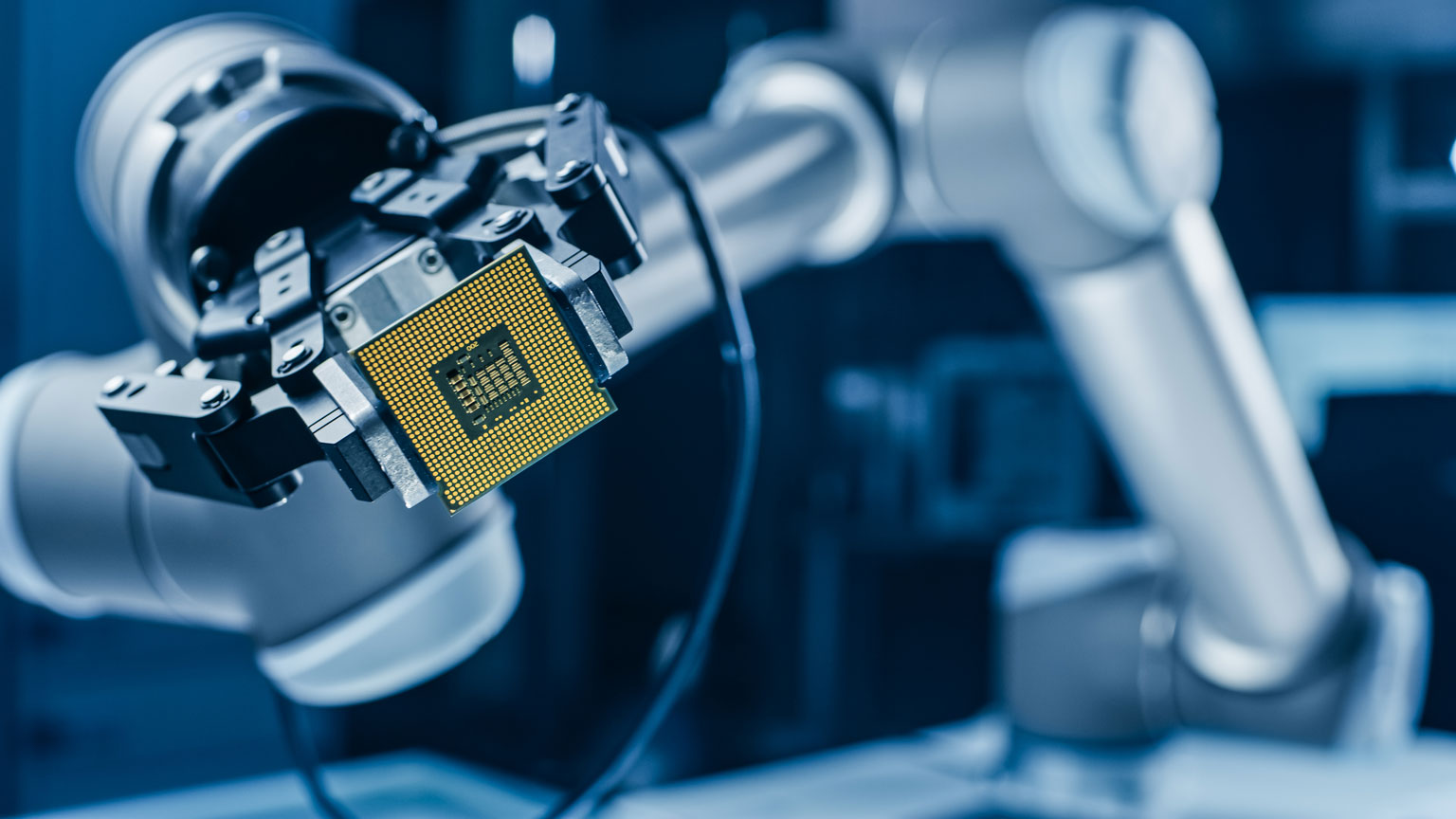
Robots are more than just polished end‑products; their capabilities are rooted in the sophistication and performance of core hardware components—from advanced AI computing chips to high‑precision sensors, agile actuators, tactile interfaces, and dexterous grippers. In recent years, as robotics transitions from controlled industrial settings to dynamic real‑world environments, demands on these core technologies have escalated dramatically. Robots now must sense with nuance, actuate with finesse, compute with low latency, and interact with humans and objects safely and reliably.
In 2025 and early 2026, a new wave of core hardware releases and breakthroughs has reshaped the landscape, paving the way for robots that are smarter, more capable, and closer to practical deployment in industry, logistics, service, and even consumer environments. This article provides a detailed look at the latest hardware innovations, the technologies behind them, and their implications for the future of robotics.
1. AI Compute Platforms: The “Brain” Behind Smarter Robots
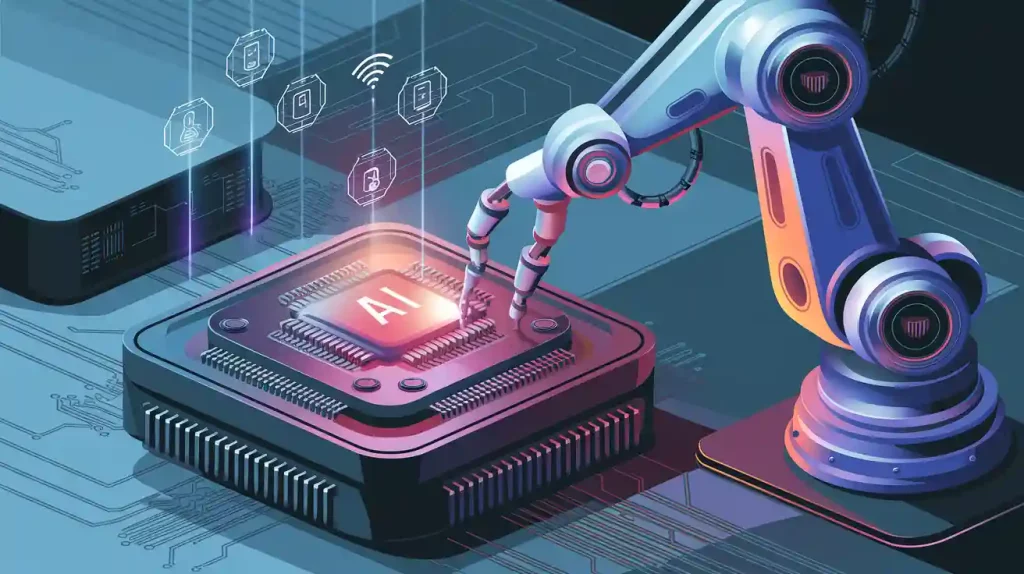
At the center of modern robotics is AI compute hardware—specialized processors that enable perception, planning, and control in real time.
1.1 Nvidia Jetson Thor: A Step‑Change in Edge Robotics AI
One of the most significant hardware releases in recent years is Nvidia’s Jetson Thor series, positioned as a next‑generation AI compute platform specifically tailored for robotics. These modules deliver unprecedented AI performance (up to 7.5× more than prior generations) and dramatically improved energy efficiency, enabling generative‑AI‑level workloads to run directly on robots without reliance on cloud connectivity.
Key characteristics include:
- Blackwell GPU architecture: High‑performance processing for vision, language, and sensor fusion tasks
- 128 GB memory capacity: Supporting large models and multimodal inference
- Multiple model execution: Enabling robots to run vision, planning, and interaction models simultaneously
- Edge‑optimized design: For real‑time responsiveness in physical environments
The impact of such compute power is immediate: robots can make on‑the‑fly decisions based on complex sensory input, interact with humans more naturally, and operate with higher autonomy—crucial for applications from warehouse automation to dynamic service robots.
Industry adoption: Firms including Amazon Robotics, Caterpillar, Meta Platforms, and Boston Dynamics are already incorporating or evaluating these modules, signaling broad market acceptance.
1.2 The Broader AI Hardware Ecosystem
Beyond Jetson Thor, the robotics industry is seeing an expansion of dedicated AI processors and edge accelerator platforms aimed at robotics workloads—laminating inference, sensor fusion, and motion planning into a single efficient hardware stack. This trend reduces prediction latency and power requirements, supporting physical AI models that bridge perception with action.
2. Advanced Sensor Innovations: Seeing and Feeling the World
The performance of robots in unstructured environments depends heavily on the quality and integration of their sensor systems—from rich visual perception to contact sensitivity.
2.1 Tactile Sensing Breakthroughs
At CES 2026, several companies demonstrated state‑of‑the‑art tactile sensor hardware that promises to endow robots with a “sense of touch” akin to humans. XELA Robotics’ uSkin technology, for example, was showcased as a 3D tactile surface sensor capable of providing rich haptic feedback for robot manipulators—a key capability for safe and adaptive manipulation in real‑world tasks.
Simultaneously, PaXini unveiled its PX‑6AX sensor series and six‑axis force sensors, designed to capture multidimensional tactile information including contact force, texture, and motion dynamics. These high‑precision sensors are critical for embodied intelligence—where robots must precisely control grasp force, detect slip, and determine object properties in real time.
Together, these sensory advances are shifting robotics from binary contact detection to nuanced physical interpretation, enabling delicate handling of objects and safer human–robot interaction.
2.2 Growth in Vision and Depth Perception Hardware
Vision systems remain foundational for robotic situational awareness. Latest releases emphasize:
- Miniaturized 3D cameras optimized for use on arms, wrists, or compact robots
- Integrated depth sensors with millimeter‑scale accuracy for close‑range object detection
- Multi‑modal vision stacks that fuse RGB, infrared, and depth inputs
At CES 2026, new compact 3D cameras tailored for robotic manipulators and hybrid sensor fusion solutions confirmed that precision perception is becoming both affordable and scalable, critical for both industrial automation and domestic service robots.
3. Actuators and Motion Control: From Joint Precision to Whole‑Body Dexterity
Robot motion performance—whether for articulated arms or legged locomotion—depends on core actuation and control hardware.
3.1 High‑Performance Servo Motors and Gear Systems
Recent product releases in robot core components include high‑torque, high‑precision motors paired with advanced reduction gearsets. These components are central to achieving:
- Smooth, repeatable motion across a wide speed range
- Controlled acceleration and deceleration for safe interaction
- Fine manipulation tasks such as precision assembly or tool handling
Reports from industry surveys show that servo motors and gear systems remain a substantial portion of humanoid robot costs, reflecting continual investment in performance and reliability improvements.
3.2 Advanced IMUs and Motion Feedback Systems
Inertial Measurement Units (IMUs) and motion feedback sensors are increasingly incorporated into robot joints and bodies to improve stability and control—especially in complex motion tasks such as bipedal walking or dynamic balancing. Expanded usage of high‑resolution IMUs across robotic actuators enhances motion awareness and predictive control across terrain and dynamic loads.
4. Dexterous Grippers and Manipulators: Toward Human‑Like Interaction
One of the most visible indicators of hardware progress is in robot end‑effectors—the “hands” that interact with the world.
4.1 Industry Component Releases
In the first three quarters of 2025 alone, around 80 new core robot components were released globally, covering a wide range of grippers, joint modules, sensors, controllers, and drive units. This surge highlights the expanding innovation across every link of the robotics hardware chain.
Among the most striking developments are high‑degree‑of‑freedom (DoF) dexterous hands that break the traditional trade‑off between flexibility and payload capacity. For example:
- New dexterous hand frameworks with 20+ DoF replicate complex human hand motions
- Force and tactile sensing capabilities embedded within grippers enable adaptive interactions
- Hybrid drive solutions (direct and tendon‑like transmissions) support both strength and agility
These innovations are pivotal for robots tasked with unstructured manipulation—from warehouse sorting to household chores.
4.2 Bio‑Inspired Gripper Prototypes
Academic research is contributing complementary breakthroughs in gripper design. For instance, MELEGROS, a soft robotic gripper inspired by elephant trunks, mounts optical sensors directly into a continuous elastomeric structure. This approach eliminates mechanical mismatches, enhances robustness, and offers continuous tactile and proprioceptive feedback—a proof‑of‑concept for future robot hands that combine soft compliance with rich sensing.
5. Integrated Platforms: Beyond Components to System‑Level Capabilities
While individual hardware pieces are essential, the real leverage comes from integrated platforms that combine compute, perception, actuation, and control into deployable systems.
5.1 Humanoid Robots with Next‑Gen Hardware
Several robotics innovators have announced or demonstrated whole robotic platforms built around the latest hardware releases:
- Figure AI’s Figure 03: A third‑generation humanoid with advanced sensory suites, embedded tactile hands, wireless charging, and safety‑oriented battery design, representing what integrated hardware solutions can achieve at scale.
- Google DeepMind’s Gemini Robotics models: Though primarily software, these foundation models are designed to run efficiently on advanced edge‑optimized hardware, enabling embodied reasoning and complex physical interactions.
Together, these integrated platforms illustrate the synergy between hardware advances and AI systems necessary for real‑world robotic deployment.
6. Industry Trends and Ecosystem Impacts
The pace of hardware innovation reflects broader industry trends:
6.1 Rapid Product Proliferation
In the first half of 2025 alone, more than 75 humanoid robotic products were cataloged globally, illustrating both the breadth of hardware experimentation and the growing commercial interest in diverse robotic applications.
6.2 Declining Costs and Increasing Production Readiness
Studies show that core component costs are declining—even as performance rises—helping transition robots from experimental showcases into viable commercial products. Fueling this shift are economies of scale and improved manufacturing processes.
6.3 Standards and Supply Chain Mobilization
With governments setting safety and interoperability regulations for robot components and systems, hardware developers are aligning with international standards, boosting quality and compatibility across global markets.
Conclusion: Core Hardware Is Driving the Next Robotics Leap
The robotics revolution is not about flashy demos alone—it is powered by deep, sustained hardware innovation. From AI compute platforms like Nvidia’s Jetson Thor to advanced tactile sensors, high‑precision actuators, dexterous grippers, and integrated humanoid systems, the past year has seen a maturation of core technologies that underpin smarter, more capable, and more deployable robots.