









Introduction
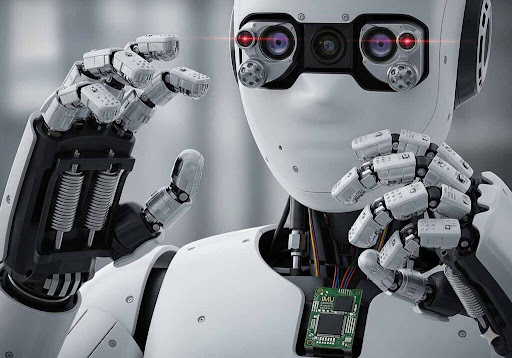
The robotics industry has seen dramatic advancements in recent years, with core components such as actuators, sensors, processors, and power systems playing a pivotal role in the functionality and performance of robots. As robots evolve from theoretical concepts to tangible systems deployed across industries like healthcare, manufacturing, logistics, and autonomous vehicles, the need for reliable and efficient core components has never been greater. These core components are responsible for a robot’s interaction with the physical world, ensuring that robots are capable of performing tasks with precision, adaptability, and safety.
This article explores the current trends in the release and evaluation of core robot components, examining innovations in key areas such as:
- Actuators: The mechanical muscle of robots
- Sensors: The eyes and ears of robotic systems
- Processors and AI Hardware: The brain behind robotic functions
- Power Systems: Fueling robots for longevity and performance
Furthermore, it investigates the evolving evaluation methods and how they are helping manufacturers and researchers ensure these components meet the rigorous demands of real-world applications. With the rapid pace of innovation in robotics, staying informed about these trends is crucial for companies and research institutions aiming to build the next generation of robots.
1. Core Components of Robots: A Breakdown
1.1 Actuators: Powering Robot Movements
Actuators are the mechanical components responsible for driving movement in robots. Whether it’s the arms of a humanoid robot or the wheels of an autonomous vehicle, actuators are the muscle behind every action.
Recent advancements in actuators include:
- Soft Actuators: Inspired by biological systems, soft actuators are enabling more flexible and adaptable robots. These actuators can be made from materials like elastomers, giving robots the ability to handle delicate objects, such as fruits or human skin, without causing damage.
- Electric Motors: Despite their prevalence, electric motors are still being refined for greater energy efficiency and power output, particularly in the context of lightweight robots. Brushless DC motors have emerged as a trend due to their superior efficiency and durability.
- Hydraulic and Pneumatic Actuators: In robots that require high force or fast movements, hydraulic and pneumatic actuators are critical. They are commonly used in industrial robots, construction, and heavy machinery, where the power demands far exceed what electric actuators can offer.
1.2 Sensors: Enabling Robot Perception
Sensors are arguably the most critical components in enabling a robot to perceive its environment and make intelligent decisions based on that perception. The integration of multimodal sensing (i.e., using a combination of different types of sensors) is one of the most significant trends.
Key sensor types include:
- Vision Sensors: Robots equipped with cameras and LiDAR can perceive their environment in 3D. Computer vision algorithms now allow robots to identify objects, recognize faces, and even navigate complex environments autonomously.
- Touch and Force Sensors: The integration of force and torque sensors, such as piezoelectric sensors, enables robots to manipulate objects with precision. These sensors allow for the detection of subtle forces during grasping or interaction, crucial in delicate tasks.
- Environmental Sensors: These include temperature, humidity, proximity, and pressure sensors. Environmental sensors are key in applications such as autonomous vehicles (detecting obstacles) and warehouse robots (measuring ambient conditions for safe operation).
1.3 Processors and AI Hardware: The Brain Behind the Machine
The processor and the AI hardware inside robots are what enable them to analyze data, learn from experiences, and make decisions. These components are increasingly specialized to handle the computational load required for machine learning, neural networks, and real-time decision making.
Trends in processors and AI hardware include:
- Edge AI Processors: Robots increasingly rely on edge computing to reduce latency and bandwidth usage. With edge AI chips, robots can perform real-time decision-making without needing constant communication with a central server.
- Neuromorphic Computing: Inspired by the human brain, neuromorphic chips are being explored as an alternative to traditional processors. These chips offer energy-efficient computation and are particularly useful for robots that need to make decisions based on sensory data in real-time.
- Cloud and Hybrid Computing: For more complex calculations, robots continue to rely on cloud computing. Hybrid architectures combining edge and cloud computing allow for a balance between local processing and offloaded heavy computation tasks.
1.4 Power Systems: Fueling Robotic Performance
The power system is crucial for the performance and autonomy of robots, especially those operating in the field for long periods. Advances in battery technology, energy harvesting, and wireless power transfer are all influencing robotic design and capabilities.
Key trends include:
- Battery Technology: New battery chemistries such as solid-state batteries promise higher energy densities, longer life spans, and greater safety. Battery development has become particularly important for mobile robots like drones, where long-lasting power is critical for their functionality.
- Wireless Power Transfer: Emerging technologies in inductive charging are allowing for robots to recharge without physical connectors, making them more autonomous and less maintenance-intensive.
- Energy Harvesting: Some robots are being equipped with piezoelectric harvesters or solar cells, enabling them to gather energy from their environment. This technology is particularly useful for outdoor robots that need to operate in remote areas without frequent access to power sources.
2. Trends in Robot Component Releases and Innovations
2.1 Accelerated Development of Modular and Scalable Components
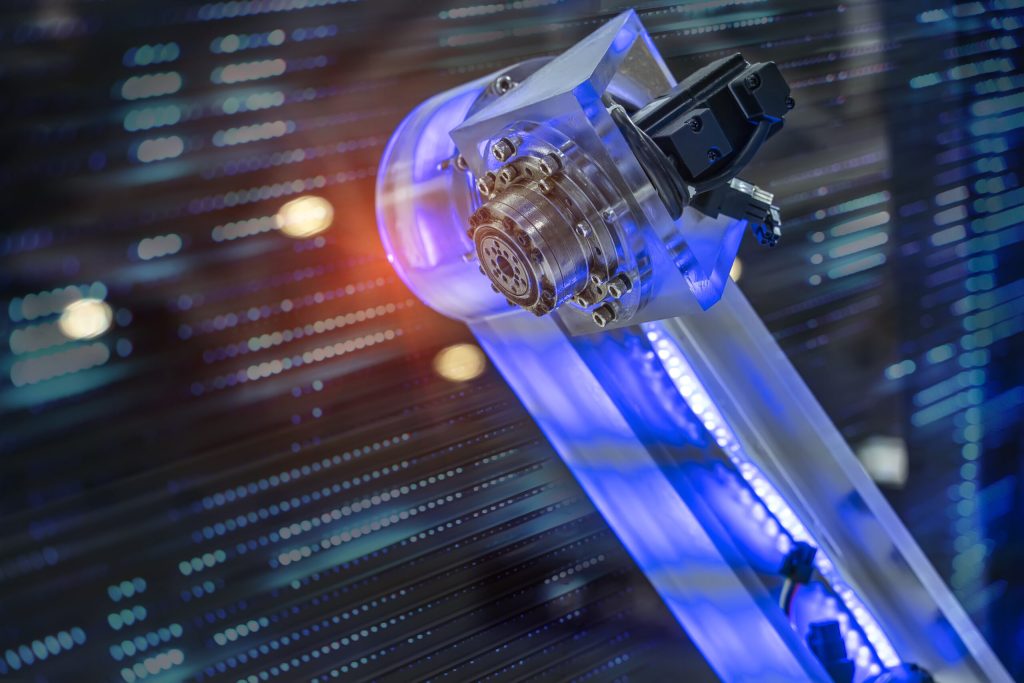
One of the most significant trends in robotics is the development of modular components that allow for easy upgrades and repairs. By creating standard interfaces for key components such as actuators and sensors, manufacturers can provide customizable robots for different industries while reducing costs. This trend toward modularity enables:
- Faster development cycles: With interchangeable parts, robots can be quickly reconfigured for different tasks.
- Cost-effective upgrades: Instead of replacing the entire robot, companies can update specific components to take advantage of the latest advancements.
2.2 Integration of AI and Machine Learning with Core Components
AI is no longer an afterthought when designing robotic systems—it is now an integral part of the core components. The increasing adoption of machine learning algorithms allows robots to self-optimize based on feedback from their sensors and environment. This trend is seen across various robot types:
- Collaborative robots (cobots): These robots use AI to adapt their movements and interact more naturally with human operators in shared environments.
- Autonomous vehicles: AI-powered vision and planning systems enable robots to make intelligent, real-time decisions without human intervention.
2.3 Advances in Human-Robot Interaction (HRI) Components
As robots are increasingly being deployed in environments where they must interact with humans, human-robot interaction (HRI) components are gaining prominence. Natural language processing (NLP), emotion sensing, and gesture recognition are all playing significant roles in making robots more user-friendly and adaptive to human needs.
- Voice assistants: Robots equipped with AI-driven voice recognition systems allow for more intuitive user interaction.
- Emotion detection: Some robots are being designed with sensors that detect human emotions, allowing them to adjust their actions accordingly.
2.4 Sustainability and Energy Efficiency in Robot Design
Sustainability has become a key driver in robot development, with an increasing emphasis on energy efficiency and the use of eco-friendly materials. The design of robots that consume less power while performing tasks efficiently will play a key role in making them viable for long-term commercial use.
3. Evaluating Robot Components: Metrics and Challenges
3.1 Performance Metrics for Actuators and Sensors
The evaluation of robot components goes beyond basic functionality and performance. Metrics used to assess actuators and sensors include:
- Precision and accuracy: How accurately do actuators move to specified positions? Are sensors able to detect objects with high precision?
- Reliability and durability: Do components perform consistently over time? Are they able to withstand environmental stressors such as heat, humidity, or vibrations?
- Latency and real-time performance: How quickly can the components react to inputs and provide outputs in real-time scenarios?
3.2 AI and Processor Evaluation
Evaluating AI processors and computational hardware is complex and involves:
- Throughput and speed: How quickly can the processor handle data and make decisions?
- Energy efficiency: How much power does the processor consume, and is it suitable for mobile robots with limited power sources?
- Scalability: Can the processor handle growing amounts of data or increasingly complex algorithms as the robot’s tasks evolve?
3.3 Real-World Testing and Iterative Development
Testing robots in real-world environments is crucial for evaluating the performance of their core components. Field testing allows developers to identify weaknesses that may not be apparent in controlled laboratory settings. Iterative development, including rapid prototyping and testing, is essential for improving the robot’s functionality.
4. Conclusion: The Future of Robot Core Components
As the robotics industry continues to mature, core components are becoming more specialized, efficient, and integrated. The evolution of actuators, sensors, processors, and power systems is paving the way for more capable robots in a wide range of industries. The increasing emphasis on modular, AI-driven systems and sustainability will drive the next phase of innovation.
Moving forward, the release and evaluation of robot components will be influenced by customer demands, safety requirements, and technological advancements, all of which must be carefully balanced to create reliable, high-performance robotic systems. As these core components continue to advance, robots will become an even more integral part of our daily lives, driving efficiencies, improving safety, and augmenting human capabilities.