








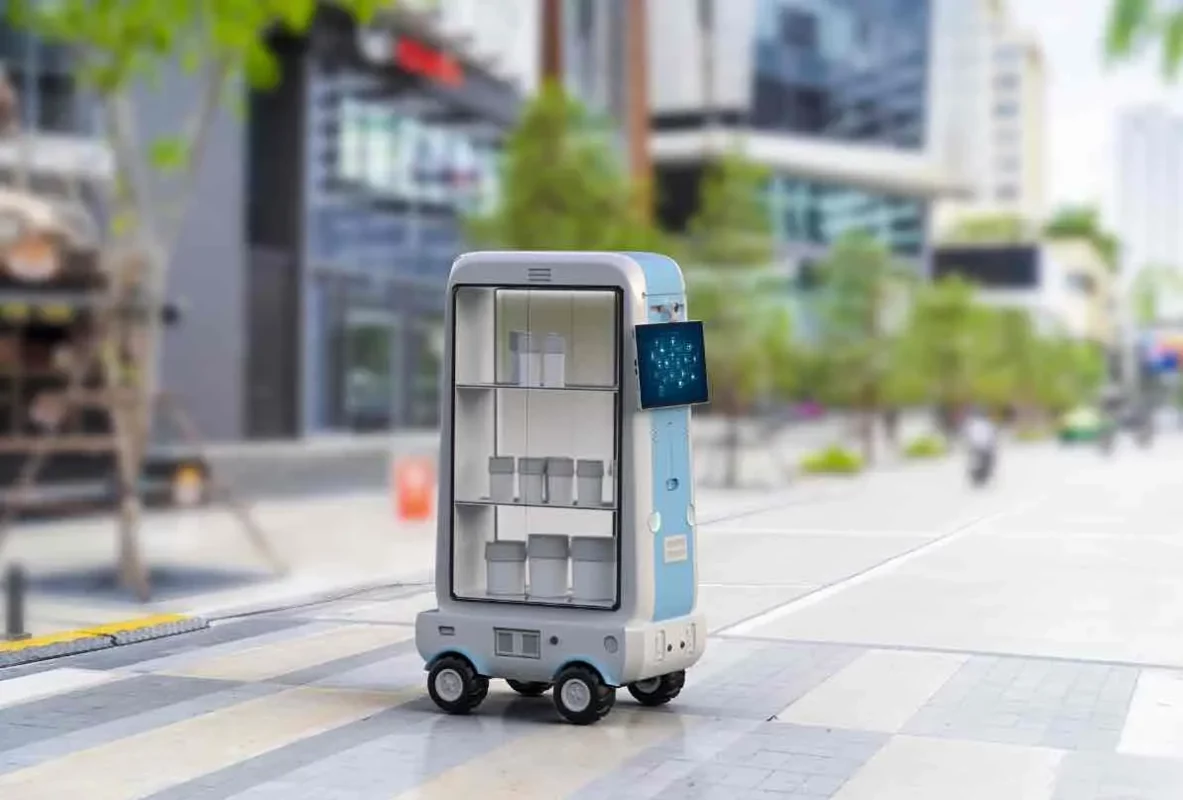

Introduction: The Evolution of Robotics in Human Spaces
Historically, robots have been designed as short-lived, task-specific machines. Industrial robots on assembly lines, for example, execute repetitive operations with high precision but minimal autonomy. Service robots, similarly, were often deployed for single-use scenarios—cleaning a specific area, delivering items in a hospital, or performing short-term experimental tasks in labs.
Today, the paradigm is shifting. Robots are evolving from temporary tools to persistent entities embedded in human environments, capable of long-term operation, learning, and adaptation. This transformation is fueled by advances in autonomous navigation, AI-driven decision-making, sensing technologies, human-robot interaction (HRI), and resilient hardware design.
This article explores the strategic, technological, and societal implications of robots becoming long-term residents in human environments. It covers:
- The limitations of traditional short-term command robots
- Technological foundations enabling long-term operation
- Human-robot interaction and coexistence
- Applications in industry, healthcare, education, and households
- Challenges in reliability, ethics, and social acceptance
- Future directions for sustainable, embedded robotics
1. Limitations of Traditional Command-Based Robots
1.1 Task Specificity
- Early robots were programmed to execute predefined commands
- Examples include assembly line robots, warehouse pickers, and delivery drones
- Limited flexibility prevented adaptation to dynamic or unstructured environments
1.2 Short Operational Lifespan
- Many robots operated only during specific tasks or experimental trials
- Maintenance cycles were frequent, and real-time adaptation was minimal
1.3 Minimal Environmental Awareness
- Sensors were basic, focusing on position, force, or collision detection
- Robots lacked persistent perception and memory of their surroundings
1.4 Human-Robot Interaction Constraints
- Early robots interacted with humans only episodically or under direct supervision
- Collaboration and cohabitation in shared spaces were rare
These limitations highlighted the need for a new generation of long-term, adaptive robots capable of sustained operation in human-centric environments.
2. Technological Foundations for Long-Term Robot Integration
Long-term robotic presence relies on multiple interconnected technological advances:
2.1 Robust Autonomous Navigation
- Simultaneous Localization and Mapping (SLAM): Enables robots to build persistent maps and navigate dynamically
- Obstacle avoidance and path planning: Incorporates moving humans, pets, and objects
- Multi-floor and multi-room navigation: Critical for household and facility-wide operation
2.2 Advanced Sensing Systems
- Visual and depth sensors: Capture spatial context and detect changes in the environment
- Tactile and force sensors: Enable safe interaction with humans and objects
- Environmental sensors: Detect temperature, humidity, or air quality for service robots
2.3 AI-Driven Decision-Making
- Machine learning for adaptation: Robots improve performance over time through continuous learning
- Predictive algorithms: Anticipate human actions or environmental changes
- Context-aware reasoning: Allows robots to prioritize tasks and operate autonomously
2.4 Resilient Hardware Design
- Durable actuators and joints: Support long-term operation with minimal maintenance
- Energy-efficient systems: Ensure prolonged uptime through optimized battery management or tethered power solutions
- Redundant safety systems: Prevent accidents in dynamic, human-populated environments
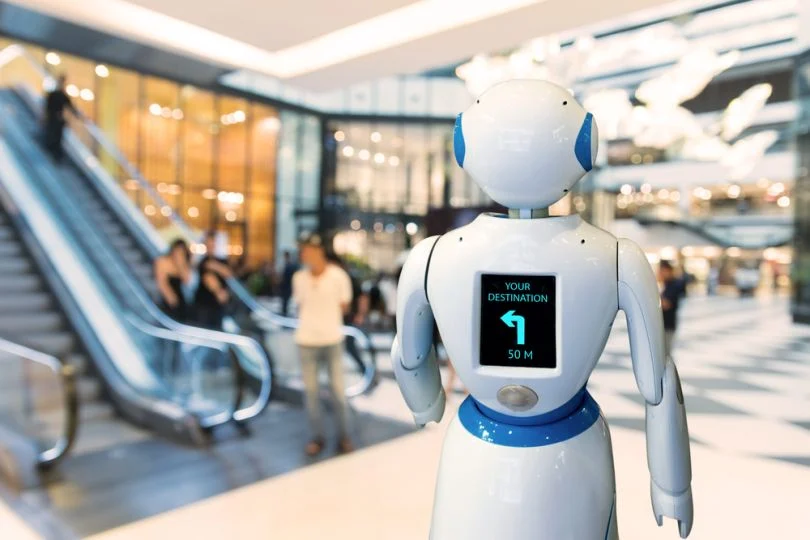
3. Human-Robot Interaction in Persistent Environments
3.1 Social and Collaborative Behavior
- Long-term robots must interpret human intent and respond naturally
- Speech recognition, gesture detection, and facial analysis allow nuanced communication
- Collaborative tasks, such as assisting in logistics, healthcare, or offices, require robots to adapt to human routines
3.2 Trust and Acceptance
- Trust is central to robot adoption in human environments
- Predictable behavior, reliability, and safety certifications build confidence
- Robots with memory and learning capabilities become perceived as companions or collaborators rather than tools
3.3 Continuous Learning and Adaptation
- Persistent robots must learn environmental layouts, human preferences, and operational anomalies
- Lifelong learning frameworks enable robots to evolve over months and years
- Feedback loops from humans allow for incremental behavior optimization
4. Applications in Human Environments
4.1 Industrial Facilities
- Maintenance robots: Monitor machinery continuously, predict failures, and schedule interventions autonomously
- Material handling robots: Adapt to fluctuating workloads and human schedules in warehouses and factories
- Safety monitoring robots: Detect hazards, provide real-time alerts, and coordinate with human teams
4.2 Healthcare
- Hospital assistants: Deliver medications, monitor patient status, and disinfect rooms
- Companion robots for the elderly: Provide reminders, monitor vital signs, and offer cognitive or emotional support
- Rehabilitation robots: Continuously assist patients, adjusting therapy routines based on progress
4.3 Education and Research
- Tutoring robots: Offer personalized instruction and adapt to individual learning paces
- Research assistants: Operate autonomously in labs, managing experiments over extended periods
- Collaborative research platforms: Robots provide consistent, repeatable experimental procedures without human supervision
4.4 Household and Service Robots
- Cleaning and maintenance: Robots manage chores autonomously over months or years
- Personal assistants: Learn user routines, preferences, and schedules for proactive task execution
- Home security and monitoring: Detect intrusions, hazards, or environmental changes with minimal human intervention
5. Long-Term Integration Challenges
5.1 Reliability and Maintenance
- Continuous operation requires robust hardware and predictive maintenance
- Failure-tolerant designs minimize downtime and avoid disruption to human routines
5.2 Safety and Compliance
- Robots must meet safety standards for prolonged human interaction
- Collision avoidance, emergency stop mechanisms, and behavioral constraints are critical
5.3 Ethical and Privacy Concerns
- Long-term robots may collect sensitive personal data
- Proper data governance, privacy policies, and consent mechanisms are essential
- Ethical AI frameworks prevent unintended biases or intrusive behavior
5.4 Adaptability to Dynamic Environments
- Human environments are unpredictable and constantly changing
- Robots must detect, predict, and adapt to environmental changes, human behaviors, and new objects
6. Enabling Technologies for Long-Term Coexistence
6.1 Lifelong Learning and Cognitive Architectures
- Cognitive architectures integrate perception, reasoning, and memory
- Lifelong learning algorithms enable incremental skill acquisition and adaptation
6.2 Human-Robot Collaboration Frameworks
- Collaborative robots (cobots) share tasks with humans safely
- Frameworks for task allocation, conflict resolution, and shared autonomy are essential
6.3 Cloud and Edge Integration
- Cloud connectivity provides computational power for AI model updates, environment simulation, and predictive analytics
- Edge computing ensures low-latency, real-time operation for local perception and control
6.4 Multi-Robot Systems
- Swarms or fleets of robots provide redundancy, cooperative task completion, and continuous coverage
- Inter-robot communication allows shared learning and situational awareness
7. Societal Implications
7.1 Workforce Transformation
- Long-term robots complement human labor, handling repetitive or hazardous tasks
- Employees can focus on cognitive, creative, or supervisory roles
7.2 Urban and Household Integration
- Cities may host persistent service robots for maintenance, monitoring, and logistics
- Homes benefit from personalized, adaptive robotic assistants
7.3 Human-Robot Symbiosis
- Long-term robots foster mutual adaptation, where humans and robots adjust behavior for optimal coexistence
- Trust, predictability, and social cues facilitate harmonious interaction
8. Case Studies
8.1 Long-Term Hospital Assistants
- Robots deployed in hospitals continuously for months
- Outcomes: Reduced staff workload, enhanced patient monitoring, and improved task efficiency
8.2 Smart Warehouses
- Autonomous robots operate alongside humans for years
- Benefits: Real-time inventory management, reduced human labor, and adaptive task allocation
8.3 Domestic Companions
- Robots in households maintain routines and assist occupants
- Benefits: Personalized assistance, safety monitoring, and lifestyle adaptation
9. Future Outlook
- Persistent robots as everyday infrastructure: Robots will become part of urban, industrial, and domestic landscapes
- Adaptive intelligence: Lifelong learning, predictive analytics, and AI reasoning will enable self-improvement over years
- Human-centric design: Socially aware behaviors and ethical compliance will ensure acceptance
- Interconnected ecosystems: Swarms of robots, IoT devices, and cloud-based AI will form cohesive, persistent service networks
10. Conclusion
The transition from short-term command executors to long-term environmental residents represents a fundamental evolution in robotics. Long-term robots:
- Operate persistently with autonomy and resilience
- Adapt to dynamic human environments and routines
- Facilitate collaboration, efficiency, and safety across industrial, healthcare, education, and domestic sectors
- Transform the relationship between humans and machines from tools to collaborators
This evolution demands a strategic, technological, and societal shift, emphasizing lifelong learning, robust hardware, ethical AI, and seamless human-robot interaction. The next generation of robots will not merely execute commands—they will coexist, assist, and evolve alongside humans, becoming a permanent and integrated part of our environments.