








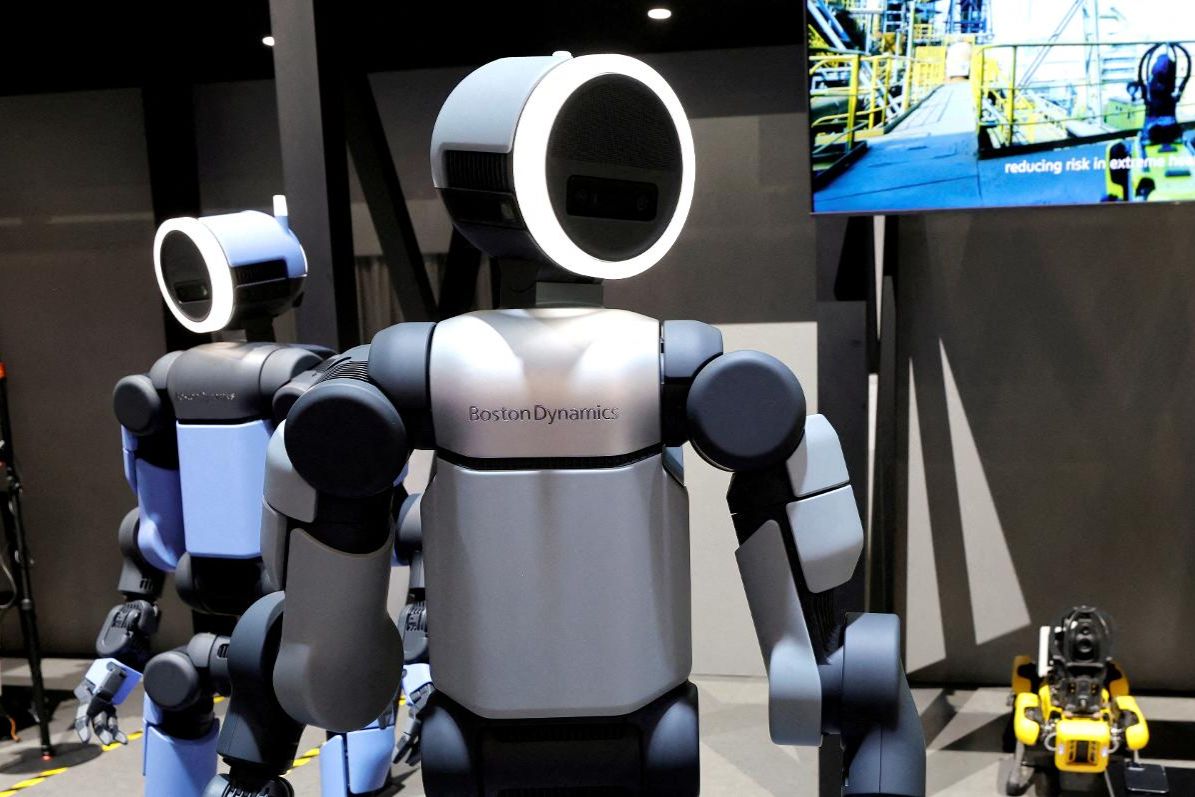

Introduction: From Concept to Reality
Humanoid robots and collaborative robots (cobots) are no longer futuristic concepts—they are becoming practical tools in industry, logistics, healthcare, and service sectors. Their deployment requires careful consideration of hardware capabilities, software intelligence, human-robot interaction, and organizational workflows.
While humanoid robots are designed to emulate human physical forms and motions, enabling interaction in human-centric environments, cobots focus on safe collaboration with humans in controlled industrial or logistical settings. Understanding their deployment pathways involves analyzing integration strategies, operational environments, scalability, safety protocols, and long-term impact.
This article provides a comprehensive roadmap for deploying humanoid and collaborative robots, with insights into current practice, challenges, and emerging trends.
1. Understanding Deployment Scenarios
1.1 Humanoid Robots
- Designed for interaction in environments built for humans, humanoid robots possess bipedal locomotion, articulated limbs, and dexterous manipulators.
- Key deployment environments include:
- Healthcare: Assistance, rehabilitation, and eldercare
- Service: Hotels, retail, and reception
- Education: Teaching, research, and social interaction
- Industrial inspection: Environments designed for human access
1.2 Collaborative Robots
- Cobots are intended to work alongside human operators, enhancing productivity while ensuring safety.
- Key deployment environments include:
- Manufacturing: Assembly lines, machine tending, quality inspection
- Logistics: Warehouse picking, packing, and material handling
- Laboratories: Sample handling and repetitive procedures
1.3 Deployment Goals
- Operational efficiency: Increase throughput, reduce cycle times, and maintain high-quality standards
- Human augmentation: Reduce physical strain and improve precision in collaborative tasks
- Flexibility: Enable rapid reconfiguration for variable tasks or production requirements
2. Planning the Deployment Path
2.1 Feasibility Assessment
- Task Analysis: Identify which tasks are suitable for humanoid or collaborative robots
- Environment Assessment: Evaluate floor layouts, safety hazards, and accessibility
- ROI Estimation: Calculate potential productivity gains versus initial and operational costs
2.2 Selecting the Right Platform
- Humanoids: Select based on mobility, manipulation capability, payload, and AI perception
- Cobots: Consider payload, reach, repeatability, safety features, and integration with existing systems
2.3 Defining Objectives
- Clear objectives ensure targeted deployment:
- Efficiency improvement in repetitive industrial tasks
- Human assistance in service and healthcare
- Data collection and environmental monitoring
3. Integration Workflow
3.1 System Architecture
- Perception Layer
- Multi-modal sensors including cameras, LiDAR, IMUs, tactile sensors, and force-torque sensors
- Sensor fusion enables robust perception, motion estimation, and environment mapping
- Control Layer
- Motion planning, trajectory generation, and safety controllers
- Adaptive control algorithms allow real-time adjustment to dynamic environments
- Application Layer
- Task-specific programming: assembly, inspection, assistance, or logistics
- AI and machine learning for autonomous decision-making and predictive behavior
- Human-Robot Interaction Layer
- Proximity detection, gesture recognition, and speech interfaces
- Safety mechanisms for direct human collaboration
3.2 Deployment Steps
- Pilot Testing
- Begin with a controlled environment and a limited scope of tasks
- Evaluate task performance, safety compliance, and operator comfort
- Training and Simulation
- Use digital twin models to simulate workflows before real-world deployment
- Train operators and AI models to handle unexpected scenarios
- Gradual Rollout
- Start with low-risk tasks, expanding as system reliability improves
- Collect performance data for iterative optimization
- Full Integration
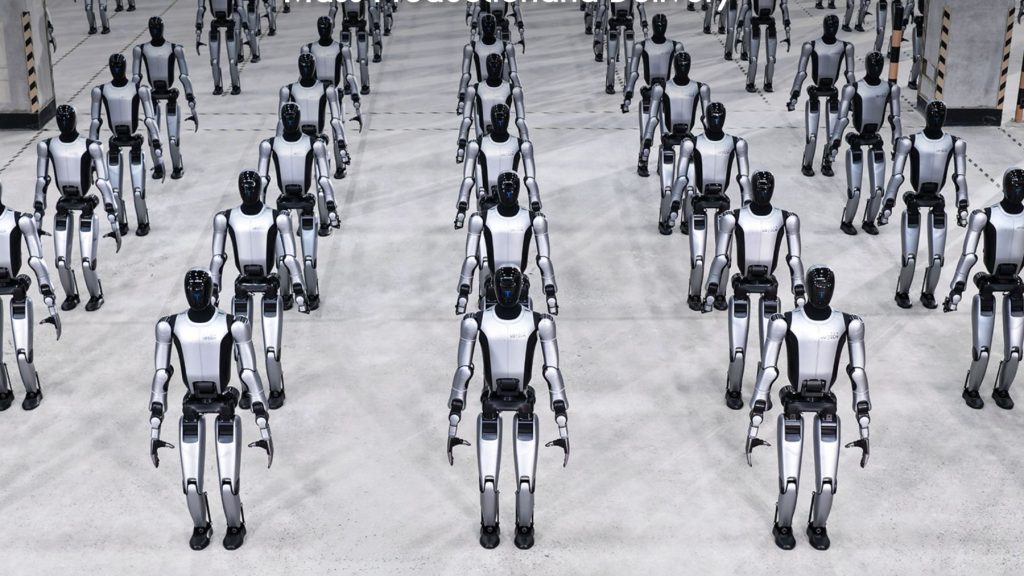
- Deploy across multiple workstations or facilities
- Ensure networked coordination and centralized monitoring
4. Safety and Compliance
4.1 Standards and Regulations
- ISO 10218 for industrial robots
- ISO/TS 15066 for collaborative robot safety
- Healthcare regulations for patient-facing robots
4.2 Safety Mechanisms
- Force limitation and compliance control to prevent injury
- Proximity sensing and emergency stop mechanisms
- Collision prediction and avoidance algorithms
4.3 Human-Centric Considerations
- Monitor operator comfort, ergonomics, and workflow impact
- Implement training and safety certification programs
5. Case Studies of Successful Deployment
5.1 Manufacturing Line with Cobots
- Cobots assist in screw driving, inspection, and material handling
- Outcome: Reduced worker fatigue, improved cycle time, and enhanced quality
5.2 Humanoid Robots in Healthcare
- Bipedal robots perform patient monitoring, mobility assistance, and medication delivery
- Outcome: Improved patient satisfaction and staff efficiency
5.3 Logistics Automation
- Cobots integrated into warehouse picking and packing tasks
- Outcome: Higher throughput, reduced error rate, and safe human-robot collaboration
6. Challenges in Deployment
6.1 Technical Limitations
- Humanoids: energy consumption, complex locomotion, and dexterous manipulation
- Cobots: limited payload and reach, computational constraints for dynamic adaptation
6.2 Integration Complexity
- Requires interfacing with existing enterprise resource planning (ERP) systems
- Software interoperability challenges across different manufacturers
6.3 Human Acceptance
- Resistance to automation in traditionally human-operated tasks
- Need for transparent decision-making, predictable behavior, and trust-building
7. Strategies for Scaling Deployment
7.1 Modular Design
- Use interchangeable end-effectors, sensors, and software modules
- Allows adaptation across multiple tasks and environments
7.2 Fleet Management
- Centralized monitoring of multiple robots for task allocation, maintenance scheduling, and performance optimization
7.3 AI-Driven Optimization
- Use reinforcement learning and predictive analytics for adaptive task execution
- Continuous learning enables robots to improve efficiency over time
8. Future Trends
8.1 Increased Human-Robot Symbiosis
- Predictive interaction: robots anticipate human actions to improve workflow harmony
- Emotion recognition and context-aware behavior enhance human-centered design
8.2 Edge and Cloud Intelligence
- Onboard edge AI enables low-latency decision-making
- Cloud connectivity allows fleet coordination, remote monitoring, and continuous model updates
8.3 Expanded Use Cases
- Humanoids: elderly care, retail, education, and public service
- Cobots: flexible manufacturing, multi-robot warehouse systems, precision assembly, and lab automation
9. Strategic Implications
- Deployment of humanoid and collaborative robots redefines workforce roles, emphasizing supervision, maintenance, and system integration over repetitive tasks
- Successful deployment requires organizational commitment, workforce training, and investment in safety and AI infrastructure
- The synergy of humanoids and cobots will enable flexible, resilient, and intelligent operations across industries
10. Conclusion
The deployment pathways for humanoid and collaborative robots are structured yet flexible, requiring alignment between technology, human factors, and operational objectives. Key insights include:
- Phased implementation: Pilot, simulate, gradually expand
- Human-centric safety: Compliance, interaction, and ergonomics
- Integration and intelligence: Multi-layer architecture, AI-driven control, and system monitoring
- Scalable and adaptive design: Modular platforms, fleet management, and learning capabilities
As humanoids gain dexterity and perception, and cobots achieve higher autonomy and intelligence, the line between human and robot collaboration will continue to blur, unlocking productivity, safety, and service quality improvements in manufacturing, logistics, healthcare, and beyond.
Humanoid and collaborative robots are not just tools—they are partners in the evolving ecosystem of intelligent work, enabling industries to achieve flexibility, precision, and resilience in the face of dynamic global demands.