








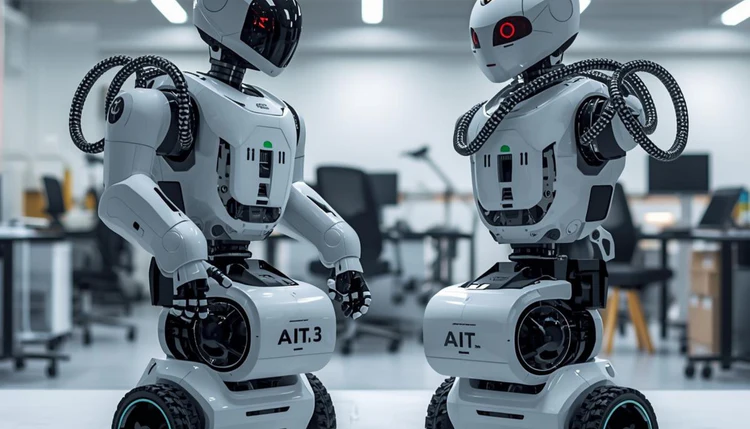

Introduction: The Importance of Hardware in Robotics
In the rapidly evolving robotics industry, hardware platforms serve as the foundation for all robotic capabilities. From industrial automation to service and humanoid robots, the performance, reliability, and adaptability of the hardware directly influence robot intelligence, task execution, and operational efficiency.
A core robotics platform typically integrates actuators, sensors, controllers, power systems, and communication modules into a cohesive system. Evaluating these platforms involves not only assessing specifications and performance metrics but also understanding user experience, maintainability, and deployment readiness.
This article provides a comprehensive review and evaluation framework for core robotics hardware platforms, emphasizing technical analysis, practical testing, and insights from field experience.
1. Components of a Core Robotics Hardware Platform
1.1 Actuators and Mobility Systems
- Electric motors, servo drives, and hydraulic actuators power motion.
- Key evaluation metrics include:
- Torque output and precision
- Responsiveness and latency
- Energy efficiency and heat dissipation
- Mobility systems vary from wheeled and tracked platforms to bipedal and quadrupedal mechanisms. Each configuration is selected based on task requirements and environmental complexity.
1.2 Sensors and Perception Modules
- Sensors provide robots with the ability to perceive and interact with the environment.
- Common categories:
- Vision Sensors: RGB cameras, depth cameras, LiDAR
- Tactile Sensors: Force-torque and touch-sensitive skins
- Inertial Sensors: IMU for orientation and motion tracking
- Performance metrics: accuracy, latency, field of view, robustness to noise, and environmental adaptability.
1.3 Processing and Control Units
- Hardware platforms include onboard CPUs, GPUs, and FPGAs for real-time processing.
- Critical capabilities:
- Low-latency feedback control
- AI inference for perception and decision-making
- Multi-sensor data fusion
- Evaluation criteria: processing speed, power consumption, thermal performance, and expandability.
1.4 Power Supply and Energy Management
- Power systems determine operational duration and reliability.
- Evaluation includes:
- Battery capacity and discharge rates
- Energy regeneration during motion
- Safety mechanisms for overcurrent and overheating
1.5 Communication and Integration
- Robust communication protocols (Ethernet, Wi-Fi, ROS, CAN bus) enable control, monitoring, and fleet coordination.
- Metrics for evaluation: data throughput, latency, redundancy, and interoperability with software frameworks.
2. Evaluation Framework
Evaluating a robotics hardware platform requires a structured methodology combining quantitative metrics, real-world tests, and user experience.
2.1 Performance Testing
- Motion Precision: Assess actuator accuracy under dynamic load conditions.
- Response Time: Measure latency from sensor input to actuator execution.
- Payload Capacity: Evaluate maximum load handling without performance degradation.
- Environmental Adaptability: Test performance under vibration, temperature variation, and uneven terrain.
2.2 Reliability and Durability
- Conduct long-duration operation tests to evaluate wear, thermal stability, and failure rates.
- Monitor joint and actuator performance degradation over cycles.
- Assess robustness of sensors to dust, moisture, and electromagnetic interference.
2.3 Usability and Maintainability
- User experience involves ease of setup, calibration, and system integration.
- Maintainability includes component accessibility, modularity, and firmware/software updates.
- Human-machine interface (HMI) design impacts operational efficiency and learning curve.
2.4 AI Integration Capability
- Evaluate the platform’s ability to support edge AI workloads, including:
- Real-time perception and object recognition
- Predictive motion control
- Adaptive task planning
- Metrics: inference speed, thermal management during AI computation, and compatibility with AI frameworks like TensorRT, PyTorch, or ROS-based AI modules.
3. User Experience Insights
3.1 Ease of Deployment
- Platforms with pre-integrated modules allow faster setup and reduced programming overhead.
- Modular platforms with hot-swappable sensors and actuators simplify iterative testing.
3.2 Interaction and Feedback
- Operators benefit from visualization dashboards, diagnostic tools, and haptic feedback during testing and operation.
- Real-time telemetry provides actionable insights for task optimization and predictive maintenance.
3.3 Learning Curve
- Platforms that integrate intuitive software frameworks reduce the time required for personnel to become proficient.
- Clear documentation and community support enhance usability and reduce deployment risks.
4. Comparative Analysis of Leading Platforms
4.1 Boston Dynamics’ Atlas
- Strengths: Exceptional mobility, dynamic balance, high-quality actuators, robust perception for navigation in complex environments.
- Weaknesses: High cost, complex maintenance, limited battery duration for extended industrial tasks.
4.2 NVIDIA Jetson-Based Platforms
- Strengths: Edge AI integration, high-performance GPU inference, compatibility with deep learning frameworks.
- Weaknesses: Limited mechanical capabilities without complementary actuators and hardware add-ons.
4.3 Unitree and Agility Robotics Humanoids
- Strengths: Lightweight, modular design, energy efficiency, cost-effective deployment in industrial scenarios.
- Weaknesses: Limited payload and precision for heavy-duty industrial tasks.
4.4 Collaborative Robot Platforms (Universal Robots, FANUC CR series)
- Strengths: Safety in human-robot collaboration, ease of programming, and flexible integration into industrial workflows.
- Weaknesses: Limited mobility and perception, task scope often constrained to stationary workstations.
5. Real-World Deployment Experience
5.1 Industrial Automation
- Core platforms enhance repetitive task execution, quality inspection, and machine tending.
- Integration with ERP and MES systems enables coordinated workflow automation.
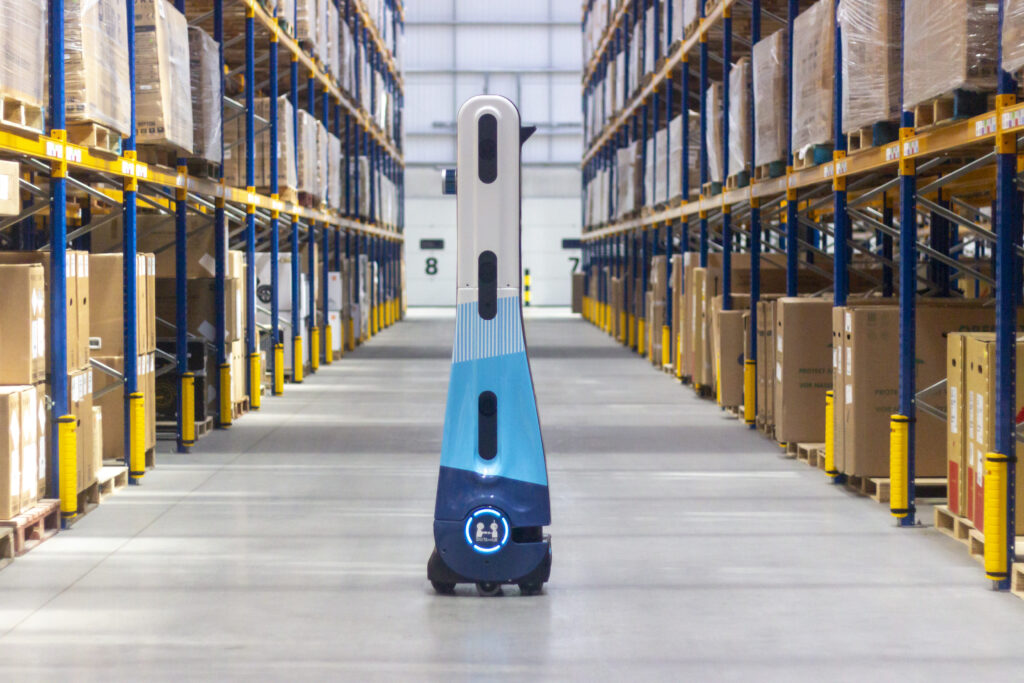
5.2 Logistics Applications
- Mobility platforms transport materials, inspect inventory, and interact with warehouse automation systems.
- Performance under dynamic human traffic and variable payloads is critical.
5.3 Service and Healthcare Robots
- Platform evaluation highlights stability, precision, and safe human interaction.
- Multi-sensor integration allows autonomous navigation in crowded or dynamic environments.
6. Challenges and Lessons Learned
6.1 Hardware-Software Co-Design
- Platform performance depends on tight integration between mechanical design, sensing, and AI control algorithms.
- Iterative testing and calibration are essential to achieve consistent performance under diverse conditions.
6.2 Energy Management
- Continuous operation is often limited by battery life and high computational demands.
- Solutions include regenerative mechanisms, power-efficient components, and task scheduling for charging cycles.
6.3 Maintenance and Lifecycle
- High-performance platforms require regular actuator calibration, sensor recalibration, and firmware updates.
- Modular design reduces downtime but demands skilled personnel for maintenance.
6.4 Environmental Robustness
- Dust, temperature variation, and mechanical shocks can degrade performance.
- Protective housings and robust sensor designs mitigate environmental risks.
7. Recommendations for Selecting a Core Robotics Platform
- Define Task Requirements: Match actuator, sensor, and mobility capabilities to operational needs.
- Assess AI and Processing Needs: Ensure platform supports required perception, planning, and inference workloads.
- Prioritize Modularity: Modular hardware enables upgradeability, maintenance, and task flexibility.
- Evaluate Integration Complexity: Consider compatibility with existing software, ERP, and industrial systems.
- Consider Total Cost of Ownership: Include upfront costs, maintenance, training, and operational efficiency.
8. Future Trends
8.1 Edge AI and Onboard Processing
- Platforms increasingly leverage GPU-accelerated edge AI for real-time perception and decision-making without relying on cloud connectivity.
8.2 Advanced Sensor Fusion
- Multi-modal perception combining LiDAR, cameras, tactile, and inertial sensors improves reliability and operational safety.
8.3 Collaborative and Hybrid Platforms
- Integration of humanoid mobility with collaborative manipulation allows robots to handle complex, human-centric industrial workflows.
8.4 Predictive Maintenance and Self-Optimization
- Future platforms will include self-diagnostic capabilities to predict component wear, optimize energy consumption, and adjust behavior autonomously.
9. Conclusion
Evaluating and experiencing core robotics hardware platforms requires a holistic approach, encompassing mechanical design, sensing, computation, power management, safety, and user experience.