









Introduction: The Era of Rapid Robotics Innovation
In recent years, the robotics industry has witnessed a remarkable acceleration in new product launches. Unlike the traditional slow-paced cycles of industrial equipment or machinery, robotics companies are unveiling new platforms, prototypes, and commercial solutions with unprecedented frequency. This trend is driven by the convergence of advanced AI algorithms, high-performance computing, modular hardware design, and market demand for automation across multiple sectors.
The rapid iteration of robotics products reflects a shift in strategy: robots are no longer single-purpose machines developed over multi-year cycles. Instead, they are dynamic, adaptable platforms continuously improved with new hardware, software, and AI capabilities. Understanding this trend requires a detailed look into its technological, industrial, and economic underpinnings.
This article explores the drivers, technological enablers, market impact, and strategic considerations behind the increasing frequency of new robot product launches.
1. Drivers of Accelerated Robot Launches
1.1 Technological Advancements in Robotics
- AI and Machine Learning: Reinforcement learning, deep learning, and computer vision accelerate the development of autonomous behaviors and complex motion control.
- Edge AI Processing: Onboard AI computation allows robots to make real-time decisions without relying entirely on cloud connectivity, enabling faster iteration and deployment.
- High-Performance Sensors and Actuators: Improved sensors (LiDAR, IMU, force sensors) and flexible actuators support faster prototyping of complex robotic functions.
1.2 Market Competition
- Robotics companies face intense competitive pressure to differentiate through frequent innovations.
- Maintaining technological leadership requires regular product releases, enhanced capabilities, and ecosystem integration.
1.3 Consumer and Industrial Demand
- Industries such as warehousing, manufacturing, healthcare, and logistics are demanding smarter, more adaptable robotic solutions.
- End-users increasingly expect incremental improvements and new functionalities rather than waiting for major redesigns.
1.4 Modular and Platform-Based Designs
- Modular robotic architectures allow companies to upgrade components individually (e.g., sensors, controllers, AI modules).
- This design philosophy reduces the time and cost of launching new products while retaining compatibility with existing ecosystems.
2. Implications for Product Development Cycles
2.1 Shortened Development Timelines
- Traditional industrial robots could take 3–5 years from concept to commercial deployment.
- Modern robotics platforms now see release cycles of 12–24 months, with incremental updates rolling out every few months for software and AI modules.
2.2 Continuous Integration and Deployment
- Software-defined robotics enables continuous improvement through AI model updates, control algorithm refinements, and perception enhancements.
- Cloud-connected robots and OTA (Over-the-Air) updates allow frequent feature additions without hardware changes.
2.3 Agile Prototyping and Simulation
- Simulation platforms (Gazebo, ROS, NVIDIA Isaac Sim) allow virtual prototyping and testing, drastically reducing physical iteration time.
- AI-driven design optimization identifies mechanical and control inefficiencies before hardware production.
3. Case Studies of Frequent Robotics Launches
3.1 Industrial Cobots
- Companies like Universal Robots and Fanuc release enhanced models or control software upgrades annually or semi-annually.
- Cobots are designed to integrate AI perception and adaptive task execution, which can be upgraded without changing the hardware base.
3.2 Humanoid and Service Robots
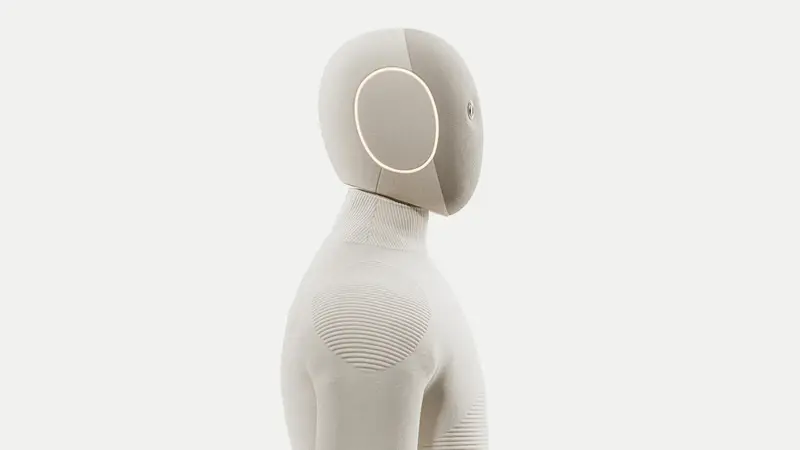
- Boston Dynamics has demonstrated platforms like Atlas with frequent capability updates, including dynamic motions like flips, parkour, and dexterous manipulation.
- Service robots, including delivery and hospitality robots, often receive incremental AI, perception, and mobility updates to expand operational scenarios.
3.3 Domestic Robotics
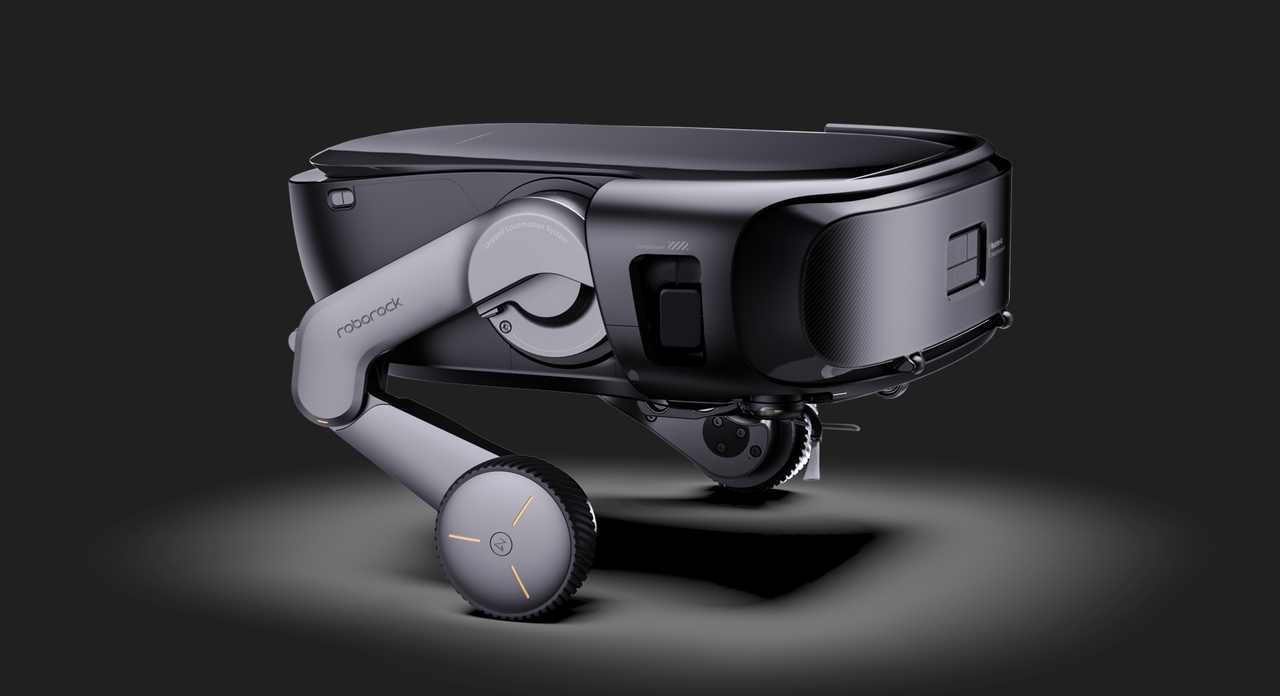
- Robotic vacuum cleaners, lawn mowers, and companion robots now feature frequent firmware upgrades and occasional hardware refreshes.
- Companies maintain user engagement through continuous functional improvements, increasing brand loyalty.
3.4 Autonomous Vehicles and Drones
- Robotics platforms for aerial and ground mobility are updated with enhanced perception algorithms, improved navigation, and AI-powered decision-making.
- Frequent launches are essential to meet regulatory requirements, safety improvements, and competitive differentiation.
4. Technological Enablers
4.1 AI-Driven Development
- Reinforcement learning and predictive AI reduce manual tuning of motion control.
- Simulation-to-real (Sim2Real) pipelines accelerate real-world deployment of new robot behaviors.
4.2 Advanced Sensing and Sensor Fusion
- Multi-modal sensors allow robots to navigate dynamic environments safely and efficiently.
- Sensor fusion techniques (IMU + LiDAR + cameras) enable continuous improvement in localization, perception, and manipulation.
4.3 Modular Hardware
- Interchangeable modules for actuators, grippers, and sensors reduce development overhead.
- Modular platforms allow companies to introduce new models rapidly without re-engineering the base system.
4.4 Cloud and Edge Computing
- Cloud connectivity provides AI model updates, fleet learning, and remote monitoring, enabling frequent functional enhancements.
- Edge AI ensures low-latency control, critical for dynamic robotics applications like humanoid motion and collaborative assembly.
5. Market and Industrial Impacts
5.1 Competitive Advantage
- Frequent releases signal technological leadership to clients, investors, and partners.
- Companies that innovate faster capture early adopter markets and expand service ecosystems.
5.2 Accelerated ROI
- Shorter product cycles lead to faster revenue recognition, especially in robotics-as-a-service (RaaS) models.
- Continuous upgrades increase lifetime value of robotic platforms.
5.3 Workforce Implications
- Operators and engineers require continuous training to leverage new robot capabilities.
- Demand rises for robotics integration specialists, AI engineers, and maintenance experts.
6. Challenges of Rapid Launch Frequency
6.1 Operational and Supply Chain Strain
- Shortened cycles increase pressure on component sourcing, assembly, and logistics.
- Manufacturers must ensure high-quality production under compressed timelines.
6.2 Safety and Compliance
- Frequent updates, especially in industrial or service robots, must comply with ISO 10218, ISO/TS 15066, and industry-specific regulations.
- Testing pipelines must scale with launch frequency to avoid safety incidents.
6.3 Consumer Fatigue
- In domestic and service markets, frequent hardware refreshes may overwhelm end-users.
- Clear differentiation and update communication are essential to maintain engagement without confusion.
6.4 Cost Considerations
- Rapid launches may increase R&D and operational costs.
- Modular designs and simulation-driven development mitigate financial risk and resource waste.
7. Strategies for Robotics Companies
- Platform-Centric Development: Build modular hardware/software ecosystems for incremental innovation.
- AI-Enhanced R&D: Use AI to optimize design, reduce iteration cycles, and accelerate deployment.
- Continuous Testing and Validation: Implement automated QA pipelines to ensure safety and reliability.
- Supply Chain Flexibility: Partner with suppliers capable of fast turnaround for components and modules.
- Customer-Centric Updates: Provide clear documentation, training, and support for new capabilities.
- Monetize Upgrades: Consider subscription models for software, AI models, and sensor updates.
8. Future Outlook
8.1 Continuous Innovation Ecosystems
- Robotics companies are transitioning to continuous innovation platforms, combining hardware, AI, and cloud-based updates.
- New product launches become gradual evolutions rather than disruptive replacements.
8.2 AI-Driven Predictive Development
- Predictive analytics guide feature prioritization, usability enhancements, and performance tuning.
- Shortens development cycles while aligning launches with market demand.
8.3 Democratization of Robotics
- Startups and SMEs can leverage modular robotics platforms to introduce niche innovations faster.
- Smaller players contribute to higher launch frequency across multiple segments, increasing market dynamism.
8.4 Global Trends
- Asia-Pacific markets emphasize industrial deployment at scale, while North America leads in early-stage innovation and AI integration.
- Europe focuses on regulatory-compliant, collaborative, and service-oriented robots.
9. Conclusion
The increasing frequency of new robot product launches represents a paradigm shift in robotics innovation and market strategy. Key takeaways include:
- Technological drivers, including AI, modular design, and simulation, enable faster iteration.
- Market pressure and consumer demand are accelerating release cycles across industrial, domestic, and service sectors.
- Operational, regulatory, and cost challenges require strategic planning and modular, AI-augmented development.
- Continuous, platform-based innovation ensures sustainable competitiveness, customer engagement, and ROI.
Robotics is no longer a static industry of periodic innovations. Frequent launches, incremental improvements, and adaptive AI integration are shaping a future where robots evolve continuously, providing enhanced capabilities, efficiency, and intelligence across every sector.