









Abstract
Robotics is emerging as a transformative force in the global economy, reshaping labor markets, production paradigms, and consumption patterns. As robots become increasingly autonomous, intelligent, and integrated into industrial, service, and consumer sectors, they influence productivity, employment, innovation, and economic growth at macro scales. This article provides a comprehensive, professional analysis of the future economy with respect to the evolving role of robotics. It examines historical trends, technological drivers, economic models, labor dynamics, sectoral implications, and policy considerations. Additionally, it evaluates how robotics interacts with artificial intelligence, digital infrastructure, and global trade patterns, offering a forward-looking assessment of the socio-economic impacts of widespread robot integration.
1. Introduction
The 21st-century economy is characterized by rapid technological advancement, digitalization, and increasing automation. Robotics, as a convergence of mechanics, electronics, and artificial intelligence, is central to this transformation. From industrial assembly lines to autonomous delivery systems, humanoid service robots, and intelligent agricultural machines, robots are redefining the nature of work, production efficiency, and economic competitiveness.
Understanding the macroeconomic implications of robotics requires a holistic view that integrates technological trends, market forces, labor dynamics, and policy frameworks. Key questions include:
- How will robotics influence global productivity and economic growth?
- What are the impacts on employment, skill requirements, and labor income distribution?
- Which sectors and regions will benefit most from robotic integration?
- How can governments, businesses, and society prepare for a robot-driven economy?
This article explores these questions, drawing on empirical data, economic modeling, and case studies of emerging robotic applications.
2. Historical Context of Robotics and Economic Productivity
2.1 Early Industrial Automation
- The industrial revolution introduced mechanization that displaced manual labor in manufacturing.
- Early robotics in the late 20th century, primarily in automotive assembly and electronics, enhanced productivity through precision and repeatability.
- Benefits included reduced labor costs, improved quality, and increased throughput.
2.2 The Digital and AI-Enabled Era
- The integration of digital control, sensors, and AI has expanded robotic capabilities beyond repetitive tasks.
- Robots now operate in unstructured environments, perform cognitive tasks, and interact with humans.
- These developments create new economic value but also raise challenges for workforce adaptation.
2.3 From Productivity to Economic Transformation
- Robotics influences both microeconomic efficiency and macroeconomic growth patterns.
- Early adopters experience faster GDP growth due to increased capital productivity.
- Secondary effects include changes in trade competitiveness, industrial location decisions, and skill premiums in labor markets.
3. Technological Drivers of Robotic Economic Impact
3.1 Hardware and Mechanical Advancements
- Precision actuators, modular components, and lightweight materials reduce production costs.
- Autonomous mobility and dexterity allow robots to operate in service and healthcare sectors.
- Energy-efficient designs enhance scalability and long-term sustainability.
3.2 Artificial Intelligence and Machine Learning
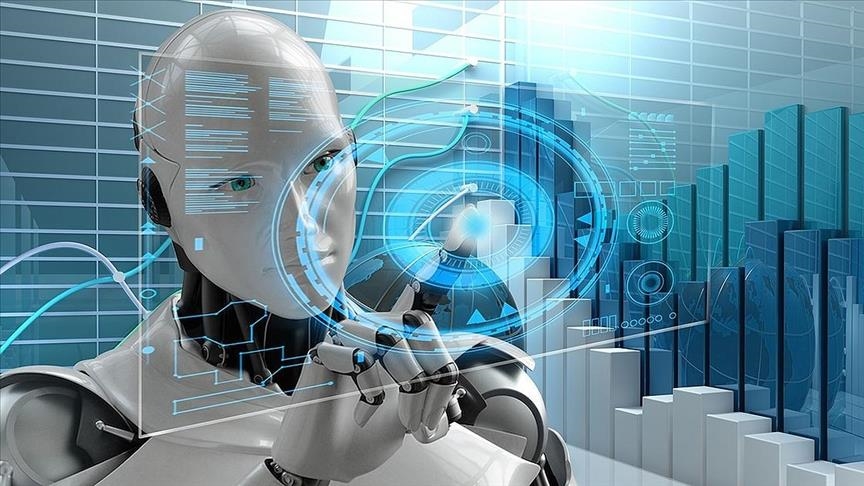
- Deep learning enables perception, decision-making, and adaptive behaviors.
- Reinforcement learning allows robots to optimize tasks dynamically, reducing reliance on preprogrammed instructions.
- Cognitive automation complements physical automation, extending robotic applications into knowledge-based industries.
3.3 Networked Robotics and IoT Integration
- Cloud robotics enables real-time updates, fleet coordination, and predictive maintenance.
- Data-driven control and analytics improve operational efficiency across sectors.
- Networked robots facilitate economies of scale and shared learning, accelerating economic benefits.
4. Macroeconomic Implications
4.1 Productivity Growth
- Robots increase capital intensity, enhancing output per worker and total factor productivity (TFP).
- Example: Warehouse automation reduces time per order fulfillment, while industrial robotics increase manufacturing throughput.
- Potential for productivity dividends is high in sectors with repetitive or precision tasks.
4.2 Employment Dynamics
- Short-term displacement of routine labor is a key concern.
- Robots complement high-skill labor, creating demand for engineers, technicians, and AI specialists.
- Sectoral shifts may widen income inequality unless mitigated by education and retraining programs.
4.3 Sectoral Transformation
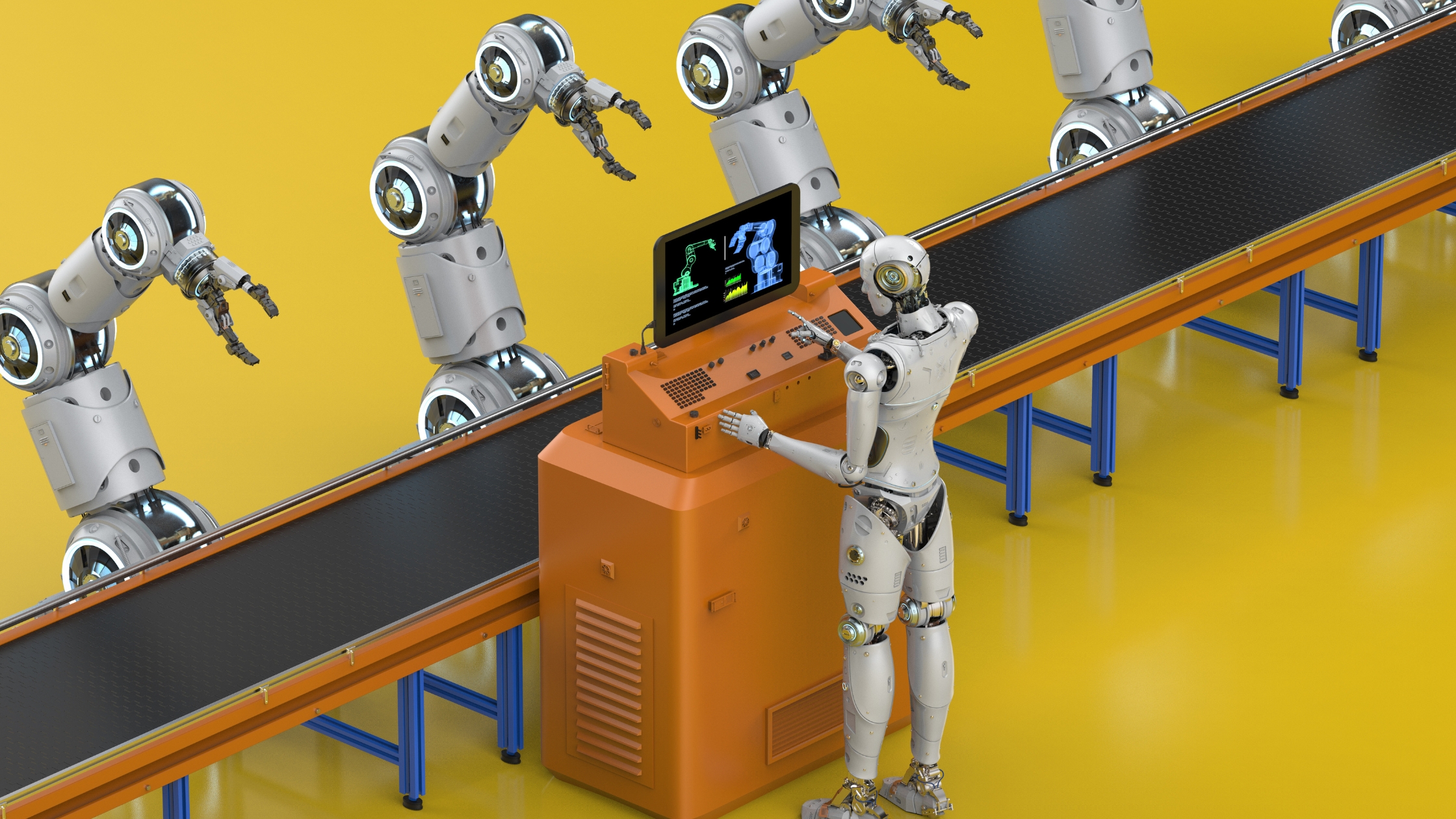
- Manufacturing: Robots dominate repetitive, high-precision production.
- Service Sector: Hospitality, logistics, and healthcare benefit from humanoid and autonomous service robots.
- Agriculture: Robotic harvesters and monitoring systems increase yield and reduce labor dependency.
- Infrastructure and Construction: Exoskeletons and autonomous machinery improve efficiency and safety.
4.4 Trade and Globalization
- Robotics alters comparative advantage, enabling developed economies to re-shore production due to reduced labor cost sensitivity.
- Developing economies may need to invest in robotic technology to maintain competitiveness in manufacturing exports.
- Robotics facilitates global supply chain resilience by mitigating labor shortages and operational disruptions.
5. Economic Modeling of Robot Integration
5.1 Capital-Labor Substitution Models
- Robots act as capital substitutes for routine labor.
- Cobb-Douglas production functions can be extended to include robotic capital: Y=A⋅Kα⋅Lβ⋅Rγ where R represents robotic capital.
- Studies indicate that as R increases, output grows faster than labor productivity alone.
5.2 Total Factor Productivity (TFP) Impact
- Robotics contributes to TFP growth by improving efficiency beyond labor and capital input.
- Empirical evidence suggests regions with higher robot density exhibit 1–2% faster annual GDP growth.
5.3 Dynamic Economic Equilibrium
- Robots influence consumption patterns, wages, and investment.
- Policies affecting taxation, retraining, and R&D investment shape long-term equilibrium outcomes.
- Integration with AI-driven services amplifies effects through new value creation.
6. Social and Policy Considerations
6.1 Workforce Reskilling
- Governments and corporations must invest in retraining programs for displaced workers.
- Emphasis on STEM, robotics maintenance, AI literacy, and human-robot collaboration skills.
6.2 Regulation and Safety
- Standards for robot safety, liability, and ethical AI are critical for public trust.
- Policies can incentivize socially beneficial deployment while avoiding risks of overautomation.
6.3 Economic Inclusion
- Equitable distribution of robotic productivity gains is necessary to prevent widening inequality.
- Policies include taxation of robotic capital, social safety nets, and universal basic income considerations.
6.4 Innovation and Intellectual Property
- Patents and proprietary AI systems may concentrate economic gains among few firms.
- Open-source robotics initiatives can democratize access and foster inclusive economic growth.
7. Case Studies
7.1 Manufacturing Automation in East Asia
- High robot density in South Korea, Japan, and China has improved manufacturing competitiveness.
- Productivity gains offset rising labor costs and enabled export-driven growth.
7.2 Service Robotics in Europe
- Humanoid robots deployed in healthcare, hospitality, and retail demonstrate increased efficiency and reduced labor strain.
- Pilot programs in hospitals reduce physical workload on staff while improving patient monitoring.
7.3 Robotics in Agriculture
- Robotic harvesters in North America and Europe optimize yield and reduce reliance on seasonal labor.
- Precision robotics enhance resource efficiency (fertilizer, water) and support sustainability goals.
8. Future Economic Scenarios
8.1 Optimistic Scenario
- Rapid adoption of robots and AI drives strong productivity growth.
- Employment shifts toward high-skill, technology-enabled roles.
- Robots enable new sectors, services, and global economic integration.
8.2 Moderate Scenario
- Gradual adoption mitigates labor disruption.
- Robotics complements rather than replaces human labor in key sectors.
- Economic gains accrue unevenly across regions and industries.
8.3 Pessimistic Scenario
- Unregulated automation leads to widespread displacement and social inequality.
- Policy lag exacerbates labor-market friction.
- Overreliance on robotic capital without workforce adaptation risks economic stagnation.
9. Robotics as a Catalyst for Sustainable Growth
- Energy-efficient and precision robotic systems reduce resource consumption.
- Integration with renewable energy, smart grids, and circular economy initiatives enhances long-term sustainability.
- Robotics enables production models that align economic growth with environmental responsibility.
10. Strategic Recommendations for Policymakers
- Invest in Human Capital: Education and vocational training for robotic and AI-literate workforce.
- Encourage R&D and Innovation: Support startups, research institutions, and industrial robotics clusters.
- Develop Regulatory Frameworks: Safety, ethics, liability, and AI governance.
- Promote Equitable Access: Tax incentives, subsidies, and public-private partnerships to prevent economic concentration.
- Monitor Socio-Economic Metrics: Employment patterns, productivity, inequality, and sectoral growth.
11. Conclusion
Robotics is poised to reshape the future economy by transforming production, service delivery, labor markets, and trade patterns. The integration of intelligent, autonomous robots across industries drives productivity gains, facilitates global competitiveness, and creates opportunities for innovation. However, these benefits are contingent upon:
- Adaptive workforce policies
- Ethical and regulatory frameworks
- Investment in technological infrastructure
- Strategic management of socio-economic transitions
The next decades will witness a co-evolution of humans and robots in the economy, where robots serve as both collaborators and amplifiers of human productivity. By proactively managing the macroeconomic impacts of robotics, societies can harness their transformative potential to achieve sustainable, inclusive, and technologically advanced economies.