









Introduction
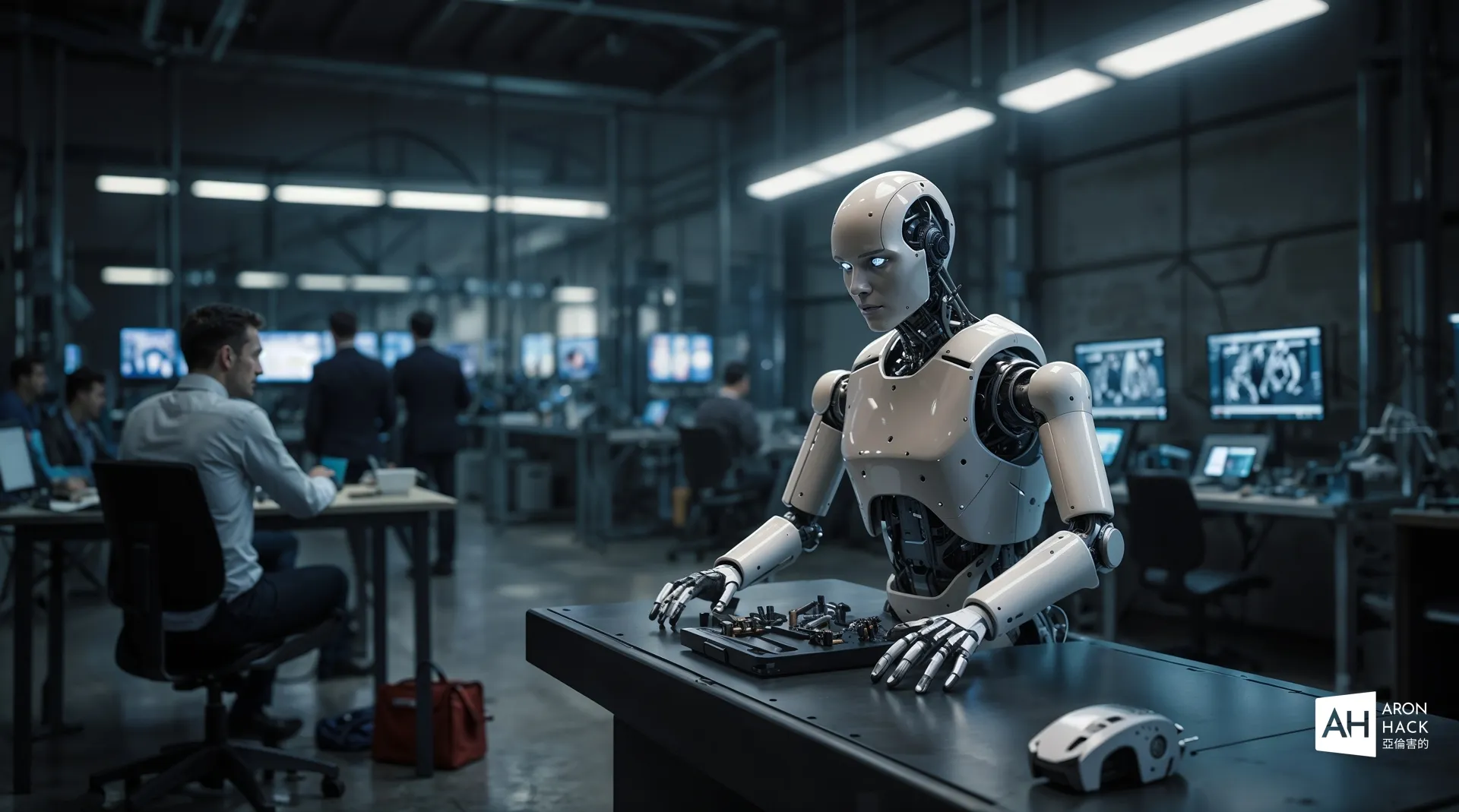
As intelligent technologies continue to reshape industries and societies at an unprecedented pace, the boundaries between traditionally distinct fields—such as robotics, artificial intelligence (AI), and autonomous driving—are rapidly dissolving. The ISRAI 2026 International Summit emerges against this backdrop as a landmark global event, bringing together leading researchers, engineers, entrepreneurs, policymakers, and visionaries to explore the frontiers of cross-disciplinary intelligent systems.
ISRAI 2026 is not merely a technical conference; it is a strategic forum designed to examine how converging technologies are redefining autonomy, perception, decision-making, and human–machine collaboration. By focusing on the intersections of robotics, AI, autonomous driving, and related intelligent systems, the summit reflects a growing recognition that the most transformative innovations arise not from isolated disciplines, but from their integration.
This article provides an in-depth, professional, and forward-looking overview of the ISRAI 2026 International Summit. It examines the technological themes under discussion, the strategic importance of cross-domain convergence, the challenges and opportunities facing intelligent systems, and the broader implications for industry, society, and global governance. Through this lens, ISRAI 2026 can be understood as both a mirror of current technological progress and a compass pointing toward the future of intelligent systems.
1. The Vision and Significance of ISRAI 2026
1.1 A Global Platform for Intelligent Systems Innovation
ISRAI 2026 positions itself as a global convergence platform for intelligent technologies. Unlike events focused narrowly on robotics, AI, or autonomous vehicles alone, the summit explicitly emphasizes cross-disciplinary integration, recognizing that future intelligent systems will be inherently hybrid in nature.
Key objectives of the summit include:
- Facilitating dialogue across technical domains
- Accelerating the translation of research into real-world applications
- Aligning technological innovation with societal needs
- Encouraging international collaboration and standardization
By convening experts from academia, industry, and government, ISRAI 2026 aims to shape not only technological trajectories but also shared understanding and long-term vision.
1.2 Why 2026 Marks a Critical Moment
The timing of ISRAI 2026 is particularly significant. Several trends have reached a point of maturity that makes meaningful convergence possible:
- AI models capable of perception, reasoning, and planning at scale
- Robotics hardware with improved dexterity, mobility, and safety
- Autonomous driving systems transitioning from pilots to commercial deployment
- Advances in sensors, connectivity, and edge computing
Together, these developments suggest that intelligent systems are entering a phase where integration, reliability, and scalability are more important than isolated breakthroughs.
2. Robotics: From Specialized Machines to Adaptive Agents
2.1 The Evolution of Robotics
Robotics has traditionally focused on automating specific physical tasks in controlled environments. Industrial robots, service robots, and mobile robots were typically designed with:
- Fixed workflows
- Limited adaptability
- Minimal autonomy
At ISRAI 2026, robotics is redefined as a foundational pillar of embodied intelligence, where physical systems are tightly coupled with advanced AI to enable learning, adaptation, and interaction in real-world environments.
2.2 Embodied Intelligence as a Core Theme
A central topic at the summit is embodied intelligence, which emphasizes that intelligence emerges from the interaction between a physical body, sensory input, and cognitive processes.
Experts highlight that embodiment:
- Grounds intelligence in physical reality
- Enables learning through interaction rather than static data
- Improves robustness in unstructured environments
This paradigm is critical not only for humanoid and service robots, but also for autonomous vehicles and intelligent infrastructure.
2.3 Robotics Beyond the Factory
ISRAI 2026 places strong emphasis on robotics applications beyond traditional manufacturing, including:
- Healthcare and rehabilitation
- Logistics and warehousing
- Agriculture and environmental monitoring
- Urban services and smart cities
These domains demand robots that can operate safely alongside humans, adapt to variability, and make context-aware decisions—capabilities that require deep integration with AI.
3. Artificial Intelligence: From Algorithms to Intelligent Systems
3.1 AI as the Cognitive Engine
Artificial intelligence serves as the cognitive backbone of modern intelligent systems. At ISRAI 2026, discussions move beyond algorithmic performance benchmarks to focus on AI as part of larger systems that perceive, decide, and act in the physical world.
Key AI capabilities under discussion include:
- Multimodal perception (vision, language, sound, touch)
- Reasoning and planning over long time horizons
- Continual and lifelong learning
- Explainability and interpretability
These capabilities are essential for enabling autonomy in both robots and autonomous vehicles.
3.2 Agent-Based and Goal-Driven AI
One of the most prominent themes at ISRAI 2026 is the rise of agent-based AI. Unlike reactive systems, AI agents:
- Pursue explicit goals
- Maintain internal models of the world
- Plan sequences of actions
- Adapt strategies based on feedback
When embedded in robots or vehicles, agentic AI transforms machines from tools into autonomous collaborators capable of operating in dynamic environments.
3.3 Foundation Models and System Integration
The summit also explores the role of large-scale foundation models as shared cognitive layers across domains. These models:
- Encode broad knowledge and reasoning capabilities
- Enable flexible task specification through natural language
- Reduce the need for task-specific programming
Integrating foundation models with robotics and autonomous driving systems is seen as a key step toward general-purpose intelligent machines.
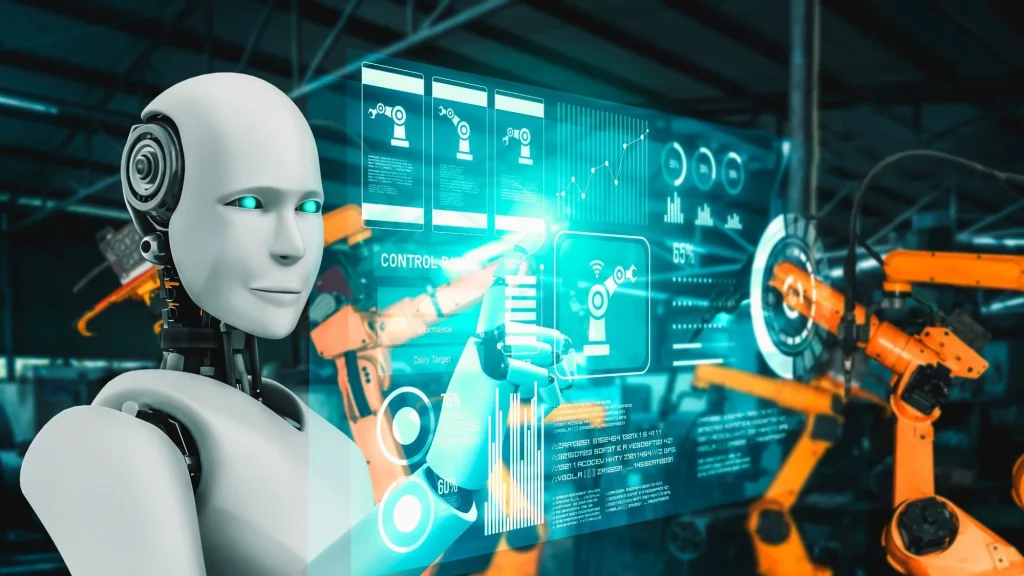
4. Autonomous Driving: A Catalyst for Cross-Disciplinary Innovation
4.1 Autonomous Driving as a Systems Challenge
Autonomous driving is often viewed as one of the most demanding applications of intelligent systems. It requires:
- Real-time perception in complex environments
- High-stakes decision-making under uncertainty
- Interaction with humans and other agents
- Strict safety and reliability guarantees
At ISRAI 2026, autonomous driving is presented not merely as a transportation problem, but as a systems-level challenge that drives innovation across robotics and AI.
4.2 Shared Technologies Across Domains
Experts emphasize that many core technologies developed for autonomous driving are directly applicable to robotics and vice versa, including:
- Sensor fusion and perception stacks
- Motion planning and control algorithms
- Simulation and digital twins
- Safety validation and redundancy architectures
This overlap reinforces the summit’s focus on cross-domain collaboration.
4.3 Beyond Cars: Autonomous Mobility Ecosystems
Discussions at ISRAI 2026 extend beyond passenger vehicles to encompass:
- Autonomous delivery robots
- Industrial and agricultural vehicles
- Intelligent transportation infrastructure
These systems form interconnected autonomous mobility ecosystems, blurring the lines between robotics, vehicles, and smart environments.
5. Cross-Technology Convergence: The Core of ISRAI 2026
5.1 Why Convergence Matters
A defining insight of ISRAI 2026 is that future intelligent systems cannot be developed in isolation. Robotics, AI, and autonomous driving are converging due to:
- Shared perception and decision-making challenges
- Common hardware and software platforms
- Increasingly complex deployment environments
Convergence enables:
- Faster innovation cycles
- Reuse of core technologies
- Greater system robustness and scalability
5.2 System Architectures for Integrated Intelligence
Experts at the summit explore architectural approaches for integrated systems, such as:
- Modular hardware and software design
- Cloud–edge–device collaboration
- Digital twins for simulation and validation
- Unified data and learning pipelines
These architectures are essential for managing complexity as systems scale.
6. Human–Machine Interaction and Collaboration
6.1 Humans in the Loop
Despite increasing autonomy, ISRAI 2026 emphasizes that humans will remain central to intelligent systems. Key discussion points include:
- Shared control and supervision
- Intuitive human–machine interfaces
- Natural language and gesture interaction
Rather than removing humans from the system, intelligent technologies aim to augment human capabilities.
6.2 Trust, Transparency, and Explainability
Trust is identified as a critical factor for adoption. Intelligent systems must:
- Behave predictably
- Explain their decisions
- Align with human values and expectations
These considerations are especially important in safety-critical domains such as autonomous driving and healthcare robotics.
7. Ethics, Safety, and Governance
7.1 Safety as a Design Principle
Safety is not treated as an afterthought at ISRAI 2026, but as a foundational design requirement. Topics include:
- Formal verification and validation
- Fail-safe and redundancy mechanisms
- Robustness to edge cases and adversarial conditions
7.2 Ethical and Social Responsibility
The summit highlights the need to address ethical questions proactively:
- Accountability for autonomous decisions
- Bias and fairness in AI systems
- Privacy and data protection
Experts advocate for responsible innovation, where ethical considerations are integrated into technical design and deployment strategies.
7.3 International Standards and Cooperation
Given the global nature of intelligent systems, ISRAI 2026 underscores the importance of:
- International standards for safety and interoperability
- Cross-border regulatory dialogue
- Shared best practices
Such cooperation is essential to avoid fragmentation and ensure equitable benefits.
8. Industrial Impact and Commercialization
8.1 From Research to Scalable Products
A major focus of ISRAI 2026 is bridging the gap between research and real-world deployment. Challenges discussed include:
- System integration and reliability
- Cost and manufacturability
- Long-term maintenance and updates
Industry leaders stress the importance of close collaboration between researchers, startups, and established enterprises.
8.2 Transforming Key Industries
Cross-disciplinary intelligent systems are already reshaping:
- Manufacturing through flexible automation
- Logistics through autonomous warehouses
- Transportation through smart mobility
- Healthcare through assistive robotics
ISRAI 2026 provides a platform to align technological capabilities with concrete industrial needs.
9. Talent, Education, and the Future Workforce
9.1 Interdisciplinary Talent Development
Experts agree that future innovation depends on talent capable of navigating multiple domains. This requires:
- Interdisciplinary education
- Hands-on experience with integrated systems
- Understanding of ethics and policy
Educational institutions are encouraged to rethink curricula accordingly.
9.2 Global Collaboration and Inclusion
ISRAI 2026 highlights the importance of inclusive, global collaboration to:
- Share knowledge and resources
- Avoid duplication of effort
- Foster diverse perspectives
Talent mobility and international partnerships are seen as key enablers.
10. Looking Ahead: The Long-Term Vision of Intelligent Systems
10.1 From Systems to Ecosystems
The long-term vision discussed at ISRAI 2026 moves beyond individual machines toward intelligent ecosystems:
- Networks of robots, vehicles, and infrastructure
- Continuous learning and adaptation
- Seamless integration into daily life
10.2 A Human-Centered Future
Despite technological ambition, the summit consistently returns to a central principle: intelligent systems must serve humanity. This includes:
- Enhancing quality of life
- Supporting sustainability
- Preserving human agency and dignity
Conclusion
The ISRAI 2026 International Summit stands as a defining moment in the evolution of intelligent systems. By focusing on the intersection of robotics, artificial intelligence, autonomous driving, and related technologies, it reflects a growing understanding that the future of intelligence lies in convergence, integration, and collaboration.
Through deep technical discussions, ethical reflection, and strategic dialogue, ISRAI 2026 illuminates both the opportunities and responsibilities that come with increasingly autonomous systems. The summit does more than showcase innovation—it helps shape a shared vision for how intelligent technologies should evolve and how they can be harnessed for the benefit of society.
As robotics, AI, and autonomous mobility continue to merge, the insights and collaborations fostered at ISRAI 2026 will play a crucial role in guiding the next generation of intelligent systems—systems that are not only powerful and efficient, but also trustworthy, human-centered, and globally aligned.