









Introduction
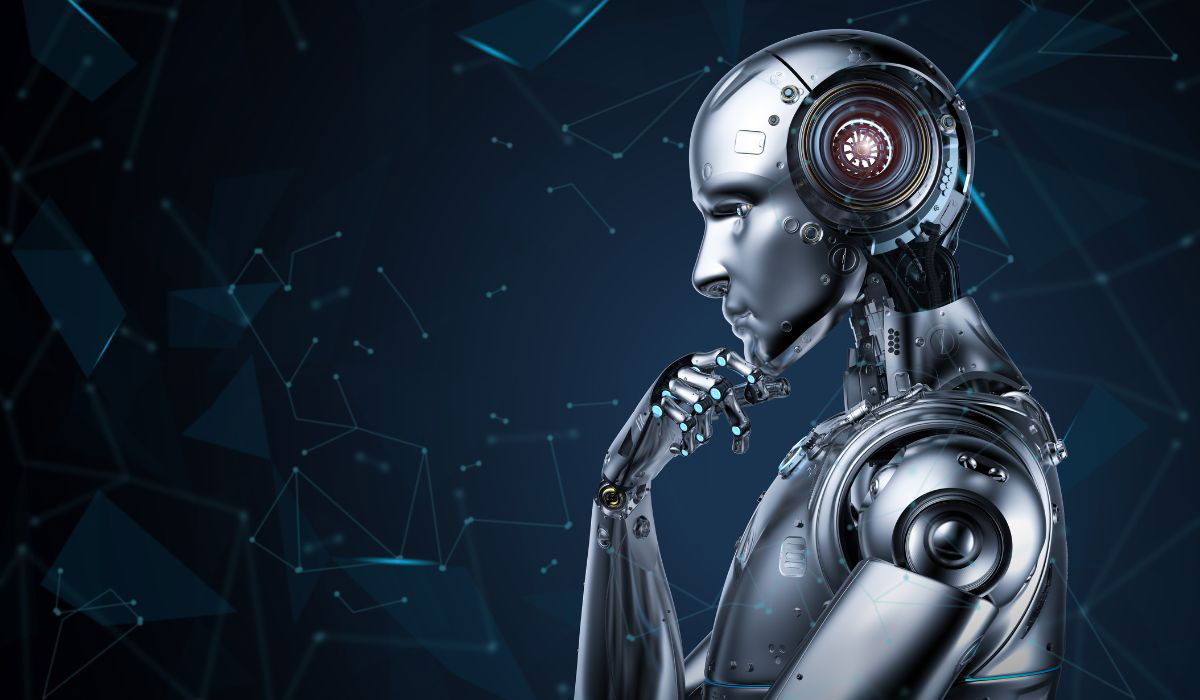
The field of robotics has undergone a remarkable transformation over the last two decades, evolving from specialized industrial machines to versatile autonomous agents operating across multiple domains. Today, robots are not confined to factory floors but are increasingly present in healthcare, agriculture, logistics, and everyday life. Central to this evolution are the core driving technologies that empower modern robotic systems with perception, intelligence, mobility, and adaptability.
Understanding these technologies is critical for both researchers and practitioners, as they define the trajectory of robotic innovation. This article explores the latest trends in robotics technology, emphasizing hardware, software, and system-level advancements that collectively shape the next generation of intelligent machines.
1. Robotic Perception and Sensing
A fundamental aspect of robotics is the ability to perceive and interpret the environment. Advances in sensors and perception systems have transformed robots from pre-programmed tools to autonomous agents capable of dynamic interaction and decision-making.
1.1 Multi-Modal Sensors
Modern robots rely on multi-modal sensing to achieve high environmental awareness:
- Visual Sensors: High-resolution cameras, stereo vision systems, and depth sensors enable object recognition, scene understanding, and navigation.
- LIDAR and Radar: These technologies provide precise distance measurements and 3D mapping capabilities, crucial for autonomous vehicles and drones.
- Tactile and Force Sensors: Used in robotic manipulation, these sensors provide feedback for delicate operations such as surgical assistance or assembly tasks.
- Proprioceptive Sensors: Internal sensors monitor the robot’s own state, including joint angles, velocities, and applied forces.
1.2 Sensor Fusion
Integrating multiple sensing modalities through sensor fusion enhances reliability and accuracy. By combining vision, touch, and inertial measurements, robots can navigate complex environments, detect obstacles, and interact safely with humans. Modern AI algorithms, particularly deep learning models, play a pivotal role in fusing these diverse data streams to produce coherent situational awareness.
2. Artificial Intelligence and Cognitive Robotics
AI has become the central driving force in modern robotics, enabling robots to move beyond pre-programmed behaviors toward adaptive, intelligent systems.
2.1 Machine Learning in Robotics
Machine learning techniques, including deep learning and reinforcement learning, empower robots to learn from experience:
- Deep Learning: Facilitates object detection, image segmentation, and scene understanding.
- Reinforcement Learning (RL): Allows robots to develop optimal strategies for navigation, manipulation, and interaction through trial-and-error learning.
- Self-Supervised Learning: Enables robots to use sensory feedback as internal labels, reducing dependence on human-labeled datasets.
2.2 Cognitive Robotics
Cognitive robotics emphasizes the integration of perception, reasoning, and action:
- Robots model environments, predict outcomes, and plan sequences of actions.
- Systems incorporate memory and contextual understanding for decision-making.
- Cognitive capabilities enable human-like interaction, such as social collaboration and adaptive assistance.
AI-powered robots are increasingly capable of performing complex, dynamic tasks in unstructured environments, bridging the gap between industrial automation and everyday human contexts.
3. Robotic Mobility and Actuation
Mobility and actuation technologies define a robot’s ability to interact with its environment. Advancements in these areas have led to highly agile, versatile, and energy-efficient robots.
3.1 Advanced Actuators
Modern robots utilize a range of actuators:
- Electric Motors: High-precision motors are standard in industrial robots.
- Hydraulic Systems: Provide high force output for heavy-duty applications.
- Soft Actuators: Enable safe interaction with humans and delicate objects through flexible, compliant materials.
- Artificial Muscles: Emerging technologies mimicking biological muscle systems offer efficiency and dexterity.
3.2 Locomotion Innovations
Robotic locomotion is expanding beyond wheeled and tracked systems:
- Legged Robots: Mimic animal locomotion for rough terrain traversal.
- Aerial Drones: Quadcopters and multi-rotor UAVs provide rapid aerial mobility.
- Amphibious and Hybrid Systems: Operate across land, water, and air, enabling multi-environment tasks.
3.3 Energy Efficiency and Sustainability
Improved battery technologies, regenerative actuators, and lightweight materials enhance endurance and reduce operational costs, enabling longer missions and sustainable deployment.
4. Human-Robot Interaction (HRI)
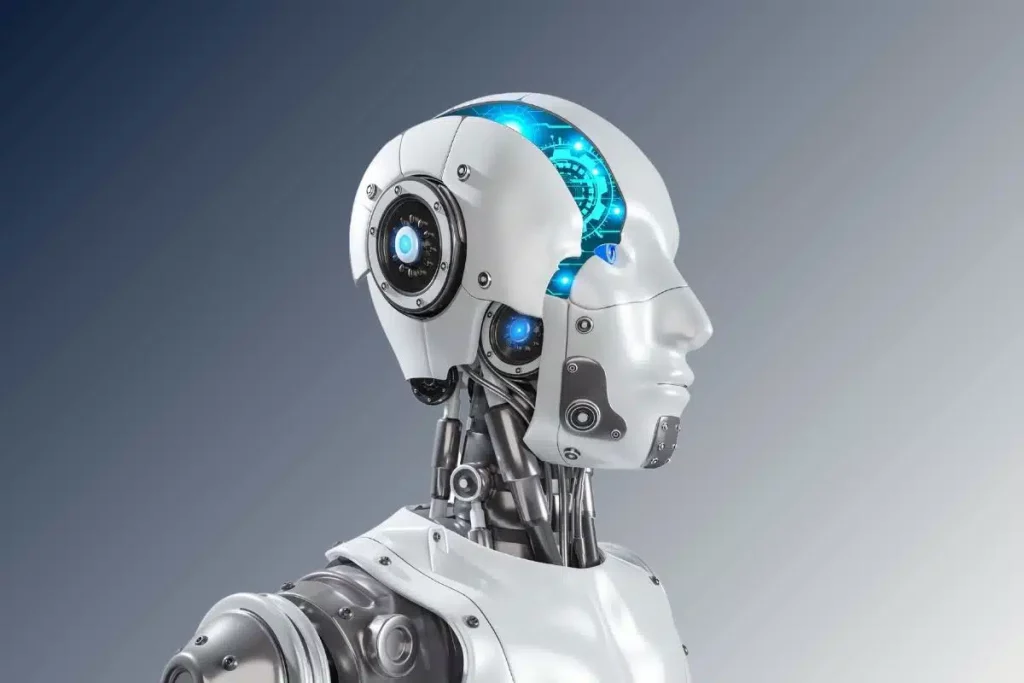
As robots become more integrated into human environments, human-robot interaction technologies are critical:
4.1 Natural Communication Interfaces
- Speech Recognition and Synthesis: Voice-controlled robots enhance accessibility and usability.
- Gesture Recognition: Robots interpret human gestures for non-verbal command input.
- Haptic Feedback: Provides intuitive control and immersive experiences in teleoperation.
4.2 Safety and Collaboration
Robots are designed to operate safely alongside humans through:
- Collision Avoidance Systems: Prevent accidental contact.
- Compliant Materials and Force Sensing: Ensure gentle handling of humans and objects.
- Predictive Behavior Models: Anticipate human actions for smoother collaboration.
4.3 Social and Emotional Robotics
Robots are increasingly capable of recognizing emotions, adapting behavior, and responding empathetically, which is essential for caregiving, education, and service industries.
5. Robotics in the Cloud and Edge Computing
The integration of cloud and edge computing has transformed robotics, enabling high-performance computation without excessive onboard hardware:
- Cloud Robotics: Robots offload computationally intensive tasks such as AI training, data storage, and complex simulations to cloud servers.
- Edge Computing: Allows real-time processing near the robot for low-latency control and decision-making.
- Collaborative Networks: Multiple robots share knowledge and update models collectively, improving learning efficiency and scalability.
This trend supports massively connected robotic ecosystems for smart factories, logistics networks, and autonomous vehicle fleets.
6. Autonomous Systems and Navigation
Autonomy is at the core of modern robotics, requiring robust sensing, AI-driven decision-making, and motion planning:
6.1 SLAM (Simultaneous Localization and Mapping)
SLAM enables robots to navigate unknown environments:
- Combines sensory data to create real-time maps.
- Tracks the robot’s position accurately within dynamic and unstructured environments.
- Essential for autonomous vehicles, drones, and mobile service robots.
6.2 Path Planning and Obstacle Avoidance
Advanced algorithms allow robots to:
- Compute optimal paths in real time.
- Adapt to moving obstacles and environmental changes.
- Balance efficiency, safety, and energy consumption.
6.3 Multi-Agent Coordination
Robotic swarms and fleets coordinate tasks using distributed algorithms:
- Optimized task allocation.
- Collision-free navigation in shared spaces.
- Collective learning for improved performance over time.
7. Materials, Fabrication, and Soft Robotics
Material science and fabrication innovations are increasingly influential in robotics:
- Lightweight Composites: Reduce energy consumption and enhance mobility.
- 3D Printing: Enables rapid prototyping and customization.
- Soft Robotics: Uses flexible materials to create adaptive, compliant structures for safe interaction and bio-inspired motion.
- Self-Healing and Smart Materials: Extend robot lifespan and resilience in harsh environments.
These trends contribute to robotic agility, adaptability, and safety.
8. Robotics Cybersecurity and Safety
As robots become networked and autonomous, cybersecurity is essential:
- Protecting communication channels from hacking.
- Ensuring integrity of AI decision-making systems.
- Preventing malicious manipulation of industrial or service robots.
Robust safety protocols and fail-safe mechanisms are crucial for deployment in human-centric environments.
9. Industry-Specific Trends
9.1 Industrial Automation
- Collaborative robots (cobots) work alongside humans.
- AI-driven predictive maintenance improves uptime.
- Flexible manufacturing systems adapt to variable production lines.
9.2 Healthcare
- Surgical robots provide precision beyond human capabilities.
- Rehabilitation and assistive robots improve patient outcomes.
- Remote teleoperation enables access to specialized care.
9.3 Agriculture
- Autonomous tractors, drones, and robotic harvesters enhance productivity.
- Sensor-driven precision farming optimizes resource usage.
- Crop monitoring and soil analysis improve sustainability.
9.4 Logistics and Supply Chain
- Autonomous warehouse robots streamline inventory management.
- Delivery drones and last-mile robots accelerate distribution.
- Multi-agent coordination improves efficiency in complex environments.
10. Future Directions and Emerging Technologies
10.1 Neuromorphic Robotics
Inspired by the human brain, neuromorphic processors enable energy-efficient, real-time sensory processing and decision-making.
10.2 Quantum Computing Integration
Quantum algorithms promise breakthroughs in path planning, optimization, and AI training for robotics.
10.3 Bio-Inspired Robotics
- Soft-bodied, agile robots mimicking animals for extreme terrains.
- Self-repair and adaptive morphologies inspired by biological systems.
10.4 Human-AI Symbiosis
Future robots will integrate seamlessly with humans, enhancing cognitive, physical, and social capabilities through collaboration.
Conclusion
Robotics is experiencing an era of unprecedented technological convergence, driven by innovations in perception, AI, actuation, mobility, and human-robot interaction. The trends highlighted—ranging from multi-modal sensing and cognitive robotics to cloud integration and bio-inspired materials—represent the core driving forces shaping the next generation of intelligent robots.
As these technologies mature, robots will become more autonomous, adaptive, and socially capable, transforming industries and daily life alike. For researchers, engineers, and policymakers, understanding and leveraging these trends is crucial for guiding the future of robotics toward safe, efficient, and impactful applications.