









Introduction
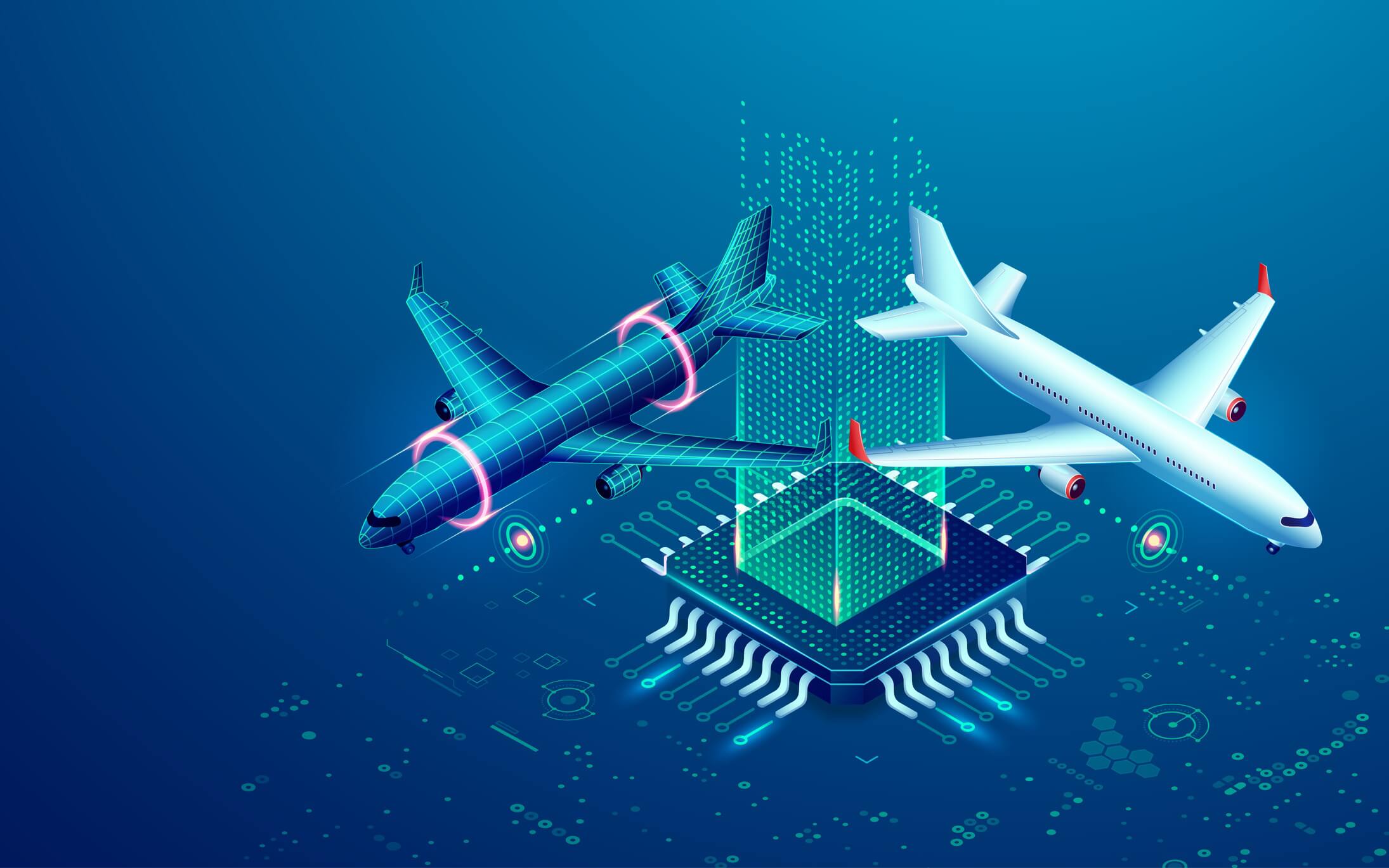
In recent years, Digital Twin (DT) technology has evolved from a conceptual framework into a transformative tool widely applied in industries to enhance efficiency, optimize energy consumption, and support predictive maintenance. Initially proposed as a virtual replica of physical systems, digital twins enable organizations to simulate, monitor, and optimize processes in real time, bridging the gap between digital planning and physical execution.
Experts emphasize that the integration of IoT, AI, and advanced analytics with digital twins has accelerated their adoption across sectors such as manufacturing, energy, urban planning, and logistics. By providing a dynamic, data-driven representation of assets, digital twins allow organizations to anticipate failures, reduce downtime, and improve operational efficiency, simultaneously contributing to sustainable energy management.
This article explores the evolution, technical foundations, practical applications, benefits, and future trends of digital twin technology, highlighting how it has transformed from a theoretical concept into a critical tool for efficiency and energy optimization.
1. Understanding Digital Twin Technology
1.1 Definition and Core Concept
A digital twin is a digital replica of a physical entity or system that mirrors its behavior, performance, and state in real time. Core characteristics include:
- Real-Time Synchronization: Continuous data exchange between the physical system and its digital counterpart.
- Predictive Analytics: The twin uses simulation and AI to anticipate outcomes or failures.
- Decision Support: Provides actionable insights to optimize operations and energy use.
1.2 Historical Development
Digital twins originated from product lifecycle management (PLM), where virtual models were used for design and simulation. Over the last decade, technological advancements have enabled:
- IoT Connectivity: Real-time data acquisition from sensors and industrial equipment.
- AI Integration: Advanced analytics and machine learning to predict system behaviors.
- Cloud Computing: Scalability for managing complex data streams and simulations.
Experts note that digital twins are no longer confined to product modeling but now encompass entire factories, cities, and energy networks, creating an interconnected ecosystem of physical and virtual assets.
2. Technical Foundations
2.1 IoT and Sensor Integration
Digital twins rely heavily on sensors and IoT devices to collect accurate, real-time data:
- Temperature, vibration, and pressure sensors for machinery monitoring.
- Energy meters for tracking electricity, gas, and water usage.
- Environmental sensors for building management or urban infrastructure.
The continuous data feed ensures that the digital twin remains synchronized with its physical counterpart, enabling accurate simulations and predictive analyses.
2.2 Data Analytics and Machine Learning
Advanced data analytics and AI algorithms are core to digital twin functionality:
- Predictive Maintenance: Anticipates component failures before they occur.
- Anomaly Detection: Identifies deviations from expected performance.
- Optimization Models: Suggests process adjustments to improve efficiency and reduce energy consumption.
Machine learning enhances the twin’s capability to learn from historical and real-time data, providing increasingly accurate insights over time.
2.3 Simulation and Virtual Modeling
Digital twins employ simulation engines to model physical behaviors under various scenarios:
- Stress testing machinery under different loads.
- Forecasting energy consumption based on operational parameters.
- Evaluating alternative process workflows before implementation.
These simulations reduce risk and enable evidence-based decision-making, critical in high-stakes industrial and urban operations.
2.4 Cloud and Edge Computing
Cloud and edge computing facilitate scalable and responsive digital twin deployment:
- Cloud Platforms: Enable centralized management of multiple twins across locations.
- Edge Computing: Processes critical data locally for low-latency decision-making, essential in time-sensitive applications such as manufacturing lines or smart grids.
The combination ensures both high performance and real-time responsiveness.
3. Applications of Digital Twin Technology
3.1 Manufacturing and Industrial Efficiency
Digital twins are widely applied in Industry 4.0 environments:
- Process Optimization: Simulate production workflows to minimize waste and improve throughput.
- Predictive Maintenance: Reduce unexpected downtime and extend equipment lifespan.
- Energy Management: Optimize energy usage across machinery, HVAC, and lighting systems.
For example, major automotive and electronics manufacturers have reported energy savings of 10–20% through DT-driven operational optimization.
3.2 Smart Energy Systems
Digital twins contribute significantly to energy efficiency and sustainability:
- Grid Management: Real-time monitoring of energy consumption and distribution.
- Renewable Integration: Forecasting solar, wind, or hydro outputs for grid stability.
- Building Energy Optimization: Adaptive control of heating, cooling, and lighting systems.
This capability aligns with global sustainability goals and helps organizations reduce operational carbon footprints.
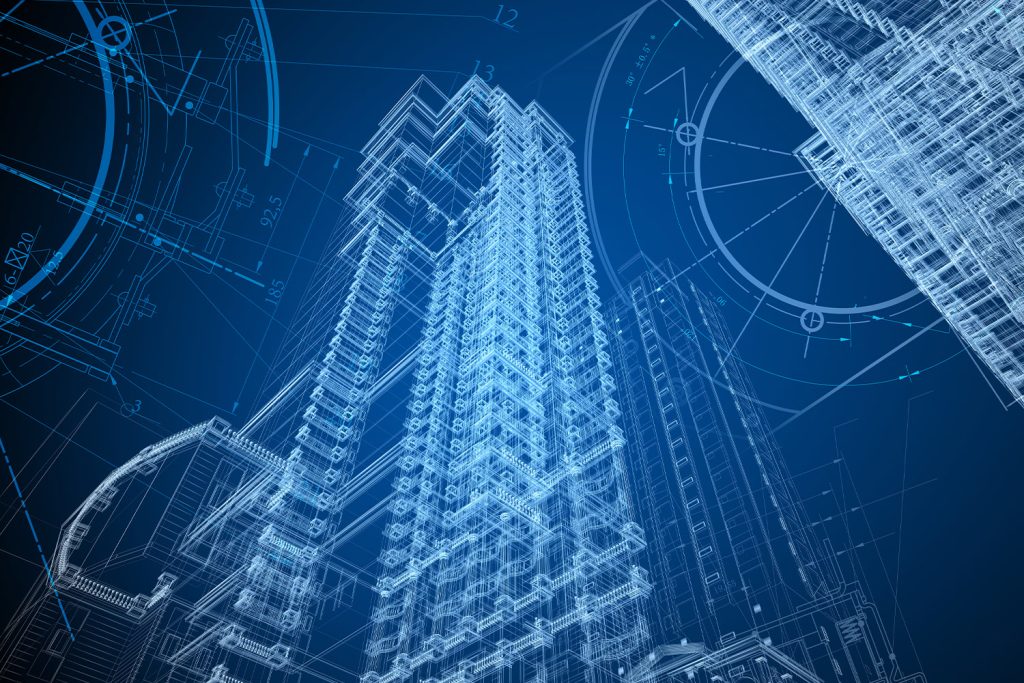
3.3 Urban Planning and Smart Cities
City-scale digital twins are used to manage urban infrastructure:
- Traffic and transportation modeling for congestion reduction.
- Water and waste management optimization.
- Environmental monitoring to improve air quality and reduce energy consumption.
Cities like Singapore and Shanghai have implemented digital twin initiatives to improve efficiency and enhance citizen quality of life.
3.4 Healthcare and Medical Devices
- Patient Monitoring Twins: Virtual models of patient health for predictive care.
- Hospital Infrastructure: Optimizing energy consumption in medical facilities.
- Medical Equipment Maintenance: Anticipating failures and scheduling preventive maintenance.
3.5 Supply Chain and Logistics
Digital twins improve supply chain efficiency:
- Warehouse layout optimization for energy-efficient operation.
- Real-time inventory monitoring to reduce resource waste.
- Simulation of logistics networks to prevent delays and reduce fuel consumption.
4. Benefits of Digital Twin Technology
4.1 Enhanced Operational Efficiency
- Real-time monitoring allows immediate corrective actions.
- Simulation-driven optimization reduces trial-and-error inefficiencies.
- Predictive analytics reduces unexpected downtime and improves output.
4.2 Energy Savings and Sustainability
- Optimizes energy consumption in industrial and commercial operations.
- Enables dynamic adjustments based on environmental conditions or demand fluctuations.
- Supports integration of renewable energy sources into grids or facilities.
4.3 Risk Reduction and Decision Support
- Provides evidence-based insights for high-stakes operational decisions.
- Reduces costs associated with unplanned maintenance or operational errors.
- Facilitates compliance with environmental and safety regulations.
4.4 Innovation and Continuous Improvement
- Accelerates product and process innovation through virtual experimentation.
- Captures historical performance data for learning and improvement.
- Enhances agility and responsiveness to market or operational changes.
5. Challenges and Considerations
Despite its transformative potential, digital twin technology faces technical, organizational, and regulatory challenges:
5.1 Data Quality and Integration
- Accurate real-time data collection is critical.
- Integrating heterogeneous data sources from multiple devices can be complex.
- Standardization of protocols remains an ongoing effort.
5.2 Computational and Infrastructure Requirements
- High-fidelity simulations require significant computational power.
- Cloud and edge infrastructure must balance latency, bandwidth, and scalability.
- Real-time synchronization of large-scale twins presents engineering challenges.
5.3 Security and Privacy
- Data from sensors and devices may include sensitive operational information.
- Cybersecurity threats can compromise system integrity or energy optimization strategies.
- Ensuring privacy, especially in healthcare or smart city applications, is essential.
5.4 Skill Gaps and Organizational Adoption
- Deploying digital twins requires interdisciplinary expertise in IoT, AI, cloud computing, and domain-specific knowledge.
- Organizations must invest in training and change management to maximize benefits.
6. Future Trends in Digital Twin Technology
6.1 AI-Enhanced Digital Twins
Integration with artificial intelligence will enable:
- Advanced predictive analytics.
- Autonomous optimization of complex systems.
- Real-time adaptive learning from new operational conditions.
6.2 Multi-Scale and System-Level Twins
- Expansion from individual assets to entire systems-of-systems, including factories, supply chains, or city infrastructures.
- Coordinated simulation for system-wide energy and efficiency optimization.
6.3 Digital Twin and Sustainability
- Real-time tracking and optimization of energy, water, and material consumption.
- Carbon footprint modeling for industrial and urban operations.
- Support for circular economy initiatives through lifecycle simulations.
6.4 Cloud-Edge Hybrid Architecture
- Leveraging cloud for heavy computation and edge for real-time control.
- Facilitates scalable deployment across multiple facilities or cities.
- Reduces latency and ensures high reliability in critical operations.
6.5 Standardization and Interoperability
- Development of universal frameworks and protocols.
- Interoperable twins across different vendors and platforms.
- Accelerates adoption and collaboration across industries.
Conclusion
Experts increasingly recognize that digital twin technology has evolved from a conceptual framework to a practical tool essential for efficiency improvement and energy optimization. By providing real-time synchronization, predictive insights, and simulation-driven optimization, digital twins enable industries and cities to operate more sustainably, resiliently, and efficiently.
As integration with AI, IoT, and cloud-edge computing continues, digital twins will become even more autonomous, intelligent, and system-wide, playing a pivotal role in the future of sustainable industrial operations and urban management. Organizations that effectively leverage digital twin technology will gain a competitive edge while contributing to global energy-saving and environmental sustainability goals.