









Introduction
Across the globe, labor shortages are increasingly shaping industrial, commercial, and service sectors, compelling businesses to seek innovative solutions. Aging populations, declining birth rates, and migration constraints have created gaps in skilled and unskilled labor, particularly in manufacturing, logistics, healthcare, and agriculture. In response, robotics has emerged as a critical solution, accelerating automation and transforming workflows.
Robots are no longer confined to repetitive industrial tasks; modern robotic systems integrate artificial intelligence (AI), sensorimotor capabilities, and advanced mobility to fill roles traditionally performed by humans. Experts argue that labor shortages are among the strongest drivers of robotics adoption, with measurable benefits in productivity, efficiency, and operational resilience.
This article examines how labor shortages are shaping the development and deployment of robotic systems, highlighting the technological, economic, and social factors driving adoption, the core technologies enabling robotic workforce integration, sector-specific impacts, challenges, and future trends.
1. The Global Labor Shortage Landscape
1.1 Demographic Shifts
Aging populations in developed nations are reducing the availability of working-age individuals:
- In countries like Japan, Germany, and Italy, the ratio of retirees to working-age citizens is rising rapidly.
- Labor-intensive industries such as construction, manufacturing, and caregiving face chronic shortages.
- Migration restrictions exacerbate workforce gaps in many regions.
1.2 Sector-Specific Labor Gaps
- Manufacturing: Skilled operators are increasingly scarce, particularly in precision industries like electronics and automotive assembly.
- Healthcare: Rising patient demand strains nursing and caregiving workforces.
- Agriculture: Seasonal labor shortages affect planting and harvesting cycles.
- Logistics and Warehousing: E-commerce growth has increased demand for warehouse labor faster than workforce availability.
1.3 Economic Implications
Labor shortages lead to higher wage pressure, reduced productivity, and delayed production, incentivizing investment in automated and robotic systems to maintain operational continuity.
2. Robotics as a Solution
Robotics addresses labor shortages by replacing or augmenting human labor in both repetitive and complex tasks. Key areas include:
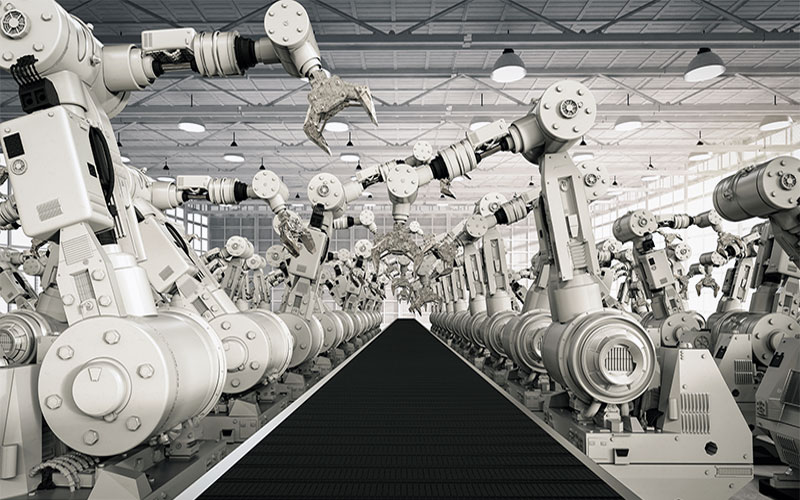
2.1 Industrial Robots
Industrial robots have long been deployed for high-volume manufacturing, but recent trends focus on:
- Flexible Automation: Robots capable of performing multiple tasks, adapting to new products or workflows.
- Collaborative Robots (Cobots): Designed to work alongside humans safely, extending human productivity rather than fully replacing it.
- Autonomous Maintenance: Robots performing inspection, cleaning, and predictive maintenance to reduce human labor reliance.
2.2 Service and Social Robots
Service robots address labor gaps in sectors such as hospitality, retail, and healthcare:
- Healthcare Robots: Automated medication delivery, patient monitoring, and eldercare assistance.
- Hospitality and Retail Robots: Automated cleaning, food delivery, and customer service support.
- Logistics and Delivery Robots: Autonomous warehouse picking systems, last-mile delivery drones, and mobile robots reduce reliance on human operators.
2.3 Agricultural Robots
Robotic solutions tackle labor shortages in agriculture:
- Autonomous tractors and planters reduce the need for human operators.
- Robotic harvesters efficiently pick fruits and vegetables with minimal human intervention.
- AI-driven drones and sensors optimize crop monitoring, irrigation, and fertilization.
3. Core Technologies Driving Robotic Workforce Integration
3.1 Artificial Intelligence and Machine Learning
AI enables robots to adapt to complex, unstructured environments, learning tasks traditionally performed by humans:
- Computer Vision: Recognizes objects, tracks movement, and guides robotic manipulation.
- Reinforcement Learning: Robots learn optimal strategies through trial and error in dynamic environments.
- Natural Language Processing: Enables voice interaction, commands, and human-robot communication.
3.2 Sensorimotor Systems
Advanced sensors allow robots to perceive and interact with the physical world:
- Force and Tactile Sensors: Enable delicate manipulation tasks.
- LIDAR and Radar: Allow autonomous navigation in warehouses, hospitals, or urban environments.
- Proprioception: Monitors internal states for precise control of limbs and actuators.
3.3 Mobility and Actuation
- Legged Robots: Traverse uneven terrain in agriculture, construction, and outdoor logistics.
- Aerial Drones: Provide rapid delivery and surveillance capabilities.
- Soft Actuators: Enhance safety for human interaction, especially in caregiving and service applications.
3.4 Connectivity and Cloud Integration
- IoT-Connected Robots: Share operational data, enabling predictive maintenance and fleet coordination.
- Edge Computing: Provides real-time decision-making for time-critical tasks.
- Cloud Platforms: Facilitate large-scale simulation, AI model training, and system optimization.

4. Economic Impacts of Robotics Adoption
4.1 Productivity and Efficiency
Robots increase throughput and reduce downtime, allowing organizations to maintain output despite labor shortages:
- Manufacturing lines become more resilient to workforce fluctuations.
- Warehouses handle higher volumes with automated picking and packing.
- Healthcare facilities can sustain services despite limited staff availability.
4.2 Cost Optimization
- Reduces reliance on high-wage labor during shortages.
- Lowers operational costs through predictive maintenance and energy-efficient automation.
- Mitigates losses associated with missed production deadlines or supply chain disruptions.
4.3 Workforce Reskilling
Robotics adoption drives upskilling opportunities:
- Human workers shift from repetitive tasks to supervisory, maintenance, and AI-assisted roles.
- Collaborative robots (cobots) facilitate safer human-machine workflows, reducing physical strain and injury risk.
5. Sector-Specific Impacts
5.1 Manufacturing
- Automation addresses the decline of skilled machine operators.
- Flexible robots adapt to frequent product changes, reducing downtime.
- Smart factories integrate predictive analytics to optimize workflow and energy efficiency.
5.2 Healthcare
- Nursing shortages drive adoption of eldercare and hospital service robots.
- AI-enabled monitoring supports early detection of patient issues.
- Robotic exoskeletons assist staff in lifting and moving patients, reducing physical labor demands.
5.3 Logistics and E-Commerce
- Warehouse automation compensates for shortages in human pickers and packers.
- Autonomous delivery vehicles reduce dependence on drivers.
- Inventory and route optimization improves speed and reduces operational strain.
5.4 Agriculture
- Robots address seasonal workforce gaps in planting, harvesting, and monitoring.
- AI-guided machines optimize resource usage, improving yield and reducing waste.
- Integration with drones and IoT sensors supports precision farming, reducing human oversight requirements.
6. Challenges and Considerations
Despite clear benefits, robotics adoption faces technical, social, and regulatory hurdles:
6.1 Technical Limitations
- Complex tasks requiring dexterity and nuanced decision-making remain challenging.
- Integration with legacy systems may be costly or technically complex.
- Energy efficiency and maintenance of autonomous robots require ongoing innovation.
6.2 Social Acceptance
- Concerns over job displacement and workforce redundancy persist.
- Human workers may resist collaborative robots without proper training and engagement.
- Public perception of service robots in healthcare and hospitality affects adoption rates.
6.3 Regulatory and Safety Concerns
- Standards for industrial and service robots are evolving but remain inconsistent.
- Safety protocols for human-robot interaction are critical, particularly in collaborative environments.
- Liability frameworks for autonomous robots are still under development.
7. Future Trends in Robotics Driven by Labor Shortages
7.1 AI-Enhanced Autonomy
- Increasing reliance on AI for decision-making, navigation, and task adaptation.
- Robots capable of handling complex, unpredictable scenarios without human intervention.
7.2 Human-Robot Collaboration
- Cobots will become more widespread, complementing rather than replacing human labor.
- Intuitive interfaces, gesture recognition, and natural language processing will enhance collaboration.
7.3 Industry-Specific Innovations
- Healthcare: Autonomous diagnostic robots and telepresence systems.
- Agriculture: Multi-functional robots integrating planting, harvesting, and monitoring.
- Logistics: Swarm robotics for coordinated warehouse operations and delivery fleets.
7.4 Sustainability and Energy Efficiency
- Robots will increasingly focus on low-energy operation to reduce operational costs.
- Integration with energy management systems ensures sustainable deployment at scale.
7.5 Global Adoption Patterns
- Developed countries with acute labor shortages lead robotic adoption.
- Emerging economies may leapfrog by deploying cost-effective automation solutions.
- Cross-industry collaboration accelerates innovation and deployment standards.
Conclusion
Global labor shortages are not merely a workforce problem; they are a catalyst for technological innovation. Robotics offers a solution that addresses both quantitative gaps in human labor and qualitative demands for efficiency, precision, and safety. Through advanced AI, sensorimotor systems, and connectivity, robots are increasingly capable of performing tasks traditionally reserved for human workers.
Sector-specific applications—from manufacturing and logistics to healthcare and agriculture—demonstrate that robots can sustain productivity, enhance efficiency, and support energy optimization, while collaborative models ensure humans remain integral to decision-making and oversight. As labor shortages persist globally, robotics development will continue to accelerate, shaping the future of work and operational resilience across industries.