









Introduction
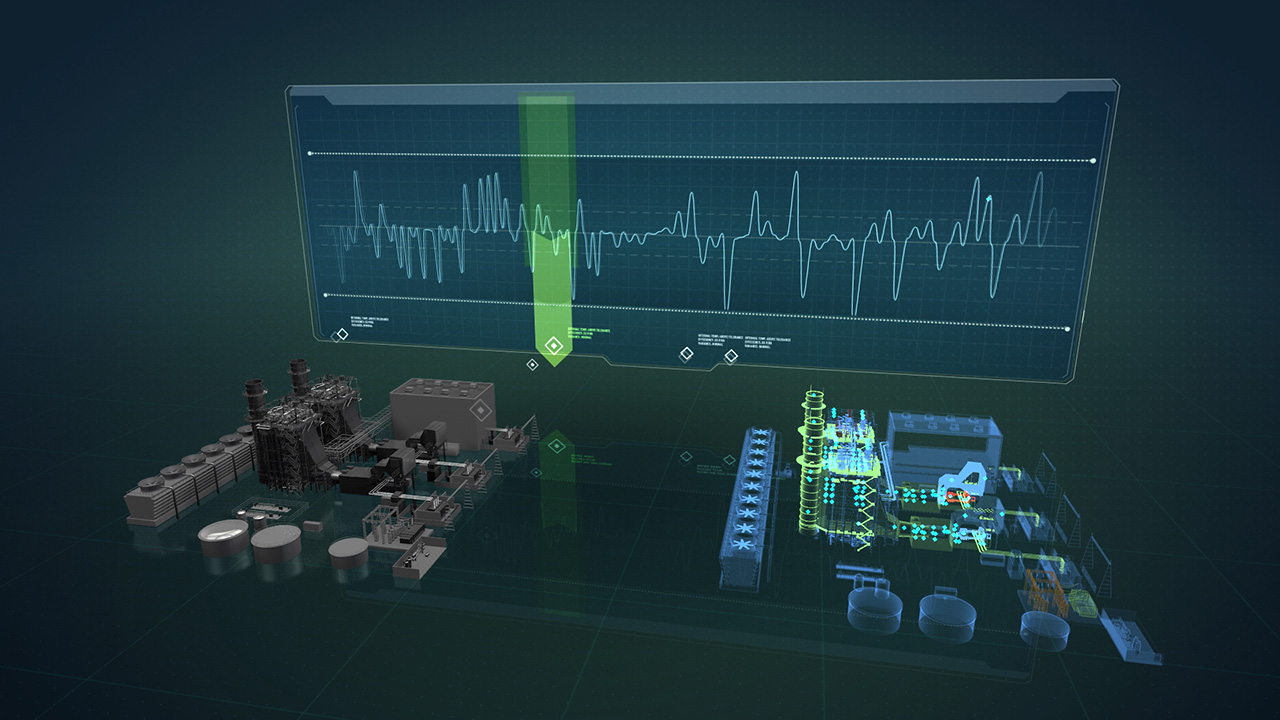
Digital Twin (DT) technology has evolved from a theoretical concept into a practical tool driving operational efficiency, predictive maintenance, and energy optimization across industries. A digital twin is a virtual replica of a physical system, continuously updated through real-time data and advanced analytics. This dynamic representation allows organizations to simulate, monitor, and optimize operations, bridging the gap between digital models and real-world systems.
With the increasing integration of IoT, AI, and cloud-edge computing, digital twins have proven effective in diverse sectors—manufacturing, energy, urban planning, logistics, and healthcare. Experts assert that the real-world effects of digital twins are measurable, delivering tangible improvements in productivity, energy efficiency, system resilience, and decision-making accuracy.
This article explores the practical outcomes of digital twin technology, analyzing its applications, benefits, challenges, and future directions, highlighting how DTs are reshaping industries and urban environments.
1. Digital Twin Technology Overview
1.1 Definition and Core Principles
A digital twin is a live virtual model of a physical asset, system, or process, reflecting its state, behavior, and performance in real time. Key characteristics include:
- Continuous Synchronization: Real-time data from sensors ensures the digital model mirrors the physical counterpart.
- Predictive Analytics: AI-driven models forecast failures, optimize performance, and support strategic decisions.
- Simulation Capabilities: Enables virtual testing of modifications, reducing the risk and cost of physical trials.
Digital twins are fundamentally grounded in cyber-physical systems, integrating physical processes, IoT data streams, cloud-edge analytics, and decision-support software.
1.2 Historical Context and Evolution
- Early Concepts: Initially emerged in product lifecycle management (PLM) and aerospace, used for design validation.
- Industry 4.0 Integration: With widespread IoT adoption, DTs began to monitor and optimize manufacturing operations in real time.
- Expansion to Smart Cities and Energy Systems: Digital twins now model complex networks, from urban infrastructure to power grids.
This evolution underscores that DTs are no longer confined to single equipment monitoring but encompass entire systems and ecosystems.
2. Core Components of Digital Twins
2.1 Sensor Networks and IoT Connectivity
The effectiveness of DTs relies on accurate and continuous data collection:
- Environmental Sensors: Monitor temperature, humidity, vibration, and structural conditions.
- Energy Meters: Track electricity, water, and fuel consumption.
- Industrial Sensors: Capture machine performance metrics, such as speed, torque, or pressure.
This real-time sensor input ensures that the digital twin can faithfully represent the state of physical systems, enabling timely decision-making.
2.2 Data Analytics and AI Integration
Digital twins utilize advanced analytics and AI models to extract actionable insights:
- Predictive Maintenance: Detect early signs of equipment degradation.
- Optimization Algorithms: Improve energy consumption, production throughput, and process efficiency.
- Anomaly Detection: Identify deviations from expected behavior to prevent operational disruptions.
Machine learning models allow DTs to adapt over time, learning from historical patterns and current conditions.
2.3 Simulation and Modeling Tools
Simulation is central to DT efficacy:
- Scenario Testing: Assess “what-if” scenarios before implementation in the physical system.
- Stress and Load Analysis: Determine system resilience under varying conditions.
- Process Reconfiguration: Identify optimal workflows without interrupting production.
Simulation reduces operational risks and enables evidence-based decision-making.
2.4 Cloud and Edge Computing
- Cloud Platforms: Enable large-scale data storage, complex analytics, and multi-site twin coordination.
- Edge Computing: Supports low-latency processing for real-time monitoring and control.
- Hybrid Architectures: Combine cloud-scale analytics with local responsiveness, critical for energy grids and industrial processes.
3. Real-World Applications
3.1 Manufacturing and Industrial Operations
Digital twins have transformed modern manufacturing:
- Smart Factories: DTs optimize production lines by predicting bottlenecks and resource allocation.
- Maintenance Scheduling: Predictive analytics reduce unplanned downtime by up to 20–30%.
- Energy Efficiency: Real-time monitoring enables adaptive control of motors, HVAC systems, and lighting, leading to measurable energy savings.
Case studies show major automotive and electronics manufacturers achieving significant productivity gains through DT implementation.
3.2 Energy and Utilities
- Grid Management: Digital twins simulate energy consumption and distribution, improving reliability.
- Renewable Energy Optimization: Predict generation output from solar, wind, or hydro assets.
- Building Energy Management: Adaptive heating, ventilation, and cooling systems reduce energy use while maintaining occupant comfort.
DTs have enabled 10–25% reductions in operational energy consumption in several industrial and urban projects.
3.3 Urban Planning and Smart Cities
- Traffic and Transport Modeling: Predict congestion, optimize routes, and plan infrastructure expansion.
- Waste and Water Management: Simulate urban utilities to reduce leakage and inefficiencies.
- Environmental Monitoring: Forecast air quality and energy use, contributing to sustainability initiatives.
Cities such as Singapore, Shanghai, and Helsinki leverage DTs to enhance urban efficiency, safety, and sustainability.
3.4 Healthcare and Medical Equipment
- Patient-Specific Twins: Model individual patient physiology for precision treatment planning.
- Hospital Infrastructure Twins: Monitor energy and resource use for efficiency and cost reduction.
- Medical Device Optimization: Predict device failures and improve maintenance cycles.
These applications reduce human error and optimize operational and clinical outcomes.
3.5 Logistics and Supply Chain
- Warehouse Automation: DTs monitor inventory, optimize pick-and-pack workflows, and forecast demand.
- Transportation and Fleet Management: Simulate routes, predict delays, and minimize fuel consumption.
- End-to-End Supply Chain Visibility: Enables agile responses to market disruptions or labor shortages.
4. Measurable Impacts of Digital Twins
4.1 Efficiency and Productivity Gains
- Production Throughput: DT-driven optimization increases output while maintaining quality.
- Downtime Reduction: Predictive maintenance minimizes unplanned stoppages.
- Process Streamlining: Virtual experimentation identifies optimal workflows, reducing trial-and-error.
4.2 Energy Conservation
- Adaptive Control Systems: DTs adjust energy-intensive equipment dynamically.
- Integration with Renewable Energy: Predictive forecasting ensures maximum utilization.
- Carbon Footprint Reduction: Enhanced operational efficiency leads to measurable sustainability benefits.
4.3 Cost Savings
- Reduced Maintenance Costs: Predictive models prevent catastrophic failures.
- Resource Optimization: Minimizes waste and overuse of materials.
- Improved Capital Utilization: Extends asset lifespan through data-driven management.
4.4 Risk Management and Resilience
- Early Fault Detection: Identifies anomalies before they escalate.
- Scenario Simulation: Prepares organizations for rare but critical events.
- System Redundancy Planning: Optimizes resource allocation for reliability.
5. Case Studies of Real-World Effectiveness
5.1 Industrial Manufacturing
A leading automotive manufacturer integrated digital twins across production lines:
- Achieved 15% increase in throughput and 20% reduction in downtime.
- Optimized energy usage in paint shops and robotic assembly cells.
- Enabled rapid adaptation to new vehicle models, reducing ramp-up time.
5.2 Smart Buildings and Urban Infrastructure
A European city applied DTs to its public building network:
- Reduced energy consumption by 18% through adaptive HVAC management.
- Improved maintenance planning with predictive sensor analysis.
- Enhanced occupant comfort while lowering operational costs.
5.3 Energy Grid Optimization
An energy utility company deployed DTs for grid management:
- Optimized renewable energy integration, reducing reliance on fossil fuels.
- Minimized peak demand energy consumption through predictive load balancing.
- Reduced outage events and improved fault recovery times.
6. Challenges and Limitations
Despite clear benefits, DT implementation faces hurdles:
6.1 Data Integration Complexity
- Aggregating heterogeneous sensor data from multiple vendors is challenging.
- Real-time synchronization requires robust and reliable networks.
- Data quality and standardization are critical for accurate modeling.
6.2 Computational Demands
- High-fidelity simulations require significant processing power.
- Balancing cloud and edge resources is necessary to maintain responsiveness.
- Scaling DTs across multiple sites or systems adds technical complexity.
6.3 Security and Privacy Concerns
- Cybersecurity threats may compromise sensitive operational data.
- Privacy concerns arise when patient or citizen data is included in DTs.
- Robust protocols are essential for secure and compliant deployment.
6.4 Organizational and Cultural Barriers
- Workforce training is required to interpret DT insights effectively.
- Resistance to digital transformation may slow adoption.
- Integration into legacy systems often requires significant investment.
7. Future Directions and Innovations
7.1 AI-Driven Digital Twins
- Autonomous optimization of processes in real time.
- Machine learning models that continuously improve predictive accuracy.
- Enhanced decision support for complex, multi-variable systems.
7.2 Multi-Scale and System-of-Systems Twins
- Integration from individual assets to entire factories, grids, or cities.
- Coordinated optimization across multiple domains for systemic efficiency.
- Enables holistic sustainability and resource planning.
7.3 Sustainability Focus
- Real-time tracking of energy, water, and material consumption.
- Lifecycle modeling to reduce environmental impact.
- Supports circular economy initiatives through virtual experimentation.
7.4 Interoperability and Standardization
- Industry standards for DT data, modeling, and communication are emerging.
- Interoperable systems across vendors enhance scalability.
- Collaboration across sectors accelerates adoption and impact.
Conclusion
Digital twin technology has proven its real-world effectiveness across industries, transforming operations, improving efficiency, and enabling sustainable resource management. By integrating IoT, AI, and cloud-edge analytics, digital twins bridge the gap between virtual planning and physical execution, delivering measurable benefits in productivity, energy conservation, risk management, and cost reduction.
As technology matures, digital twins will expand from asset-level monitoring to system-wide optimization, driving sustainable industrial operations, smart cities, and advanced healthcare solutions. Organizations that leverage digital twins effectively gain competitive advantage, operational resilience, and measurable environmental benefits, solidifying DTs as a cornerstone of modern digital transformation.