









Introduction
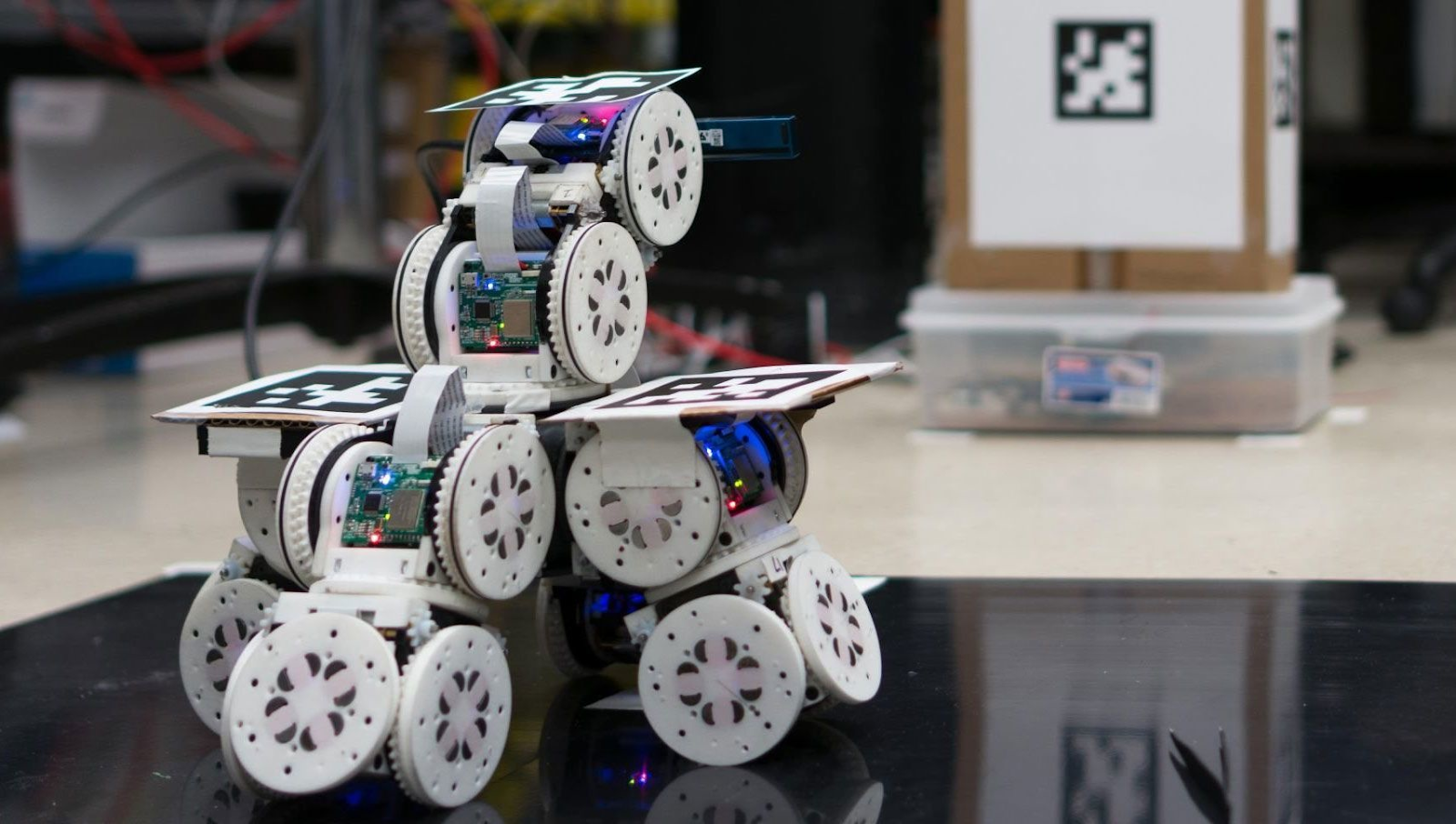
In the rapidly evolving field of robotics, hardware modularity and system adaptability have emerged as critical criteria in how robotic platforms are designed, selected, and evaluated. Historically, robotics development centered on monolithic designs—highly specialized hardware built to perform a fixed set of tasks in controlled environments. Today, however, the expectations for robotic systems have shifted dramatically: robots are increasingly expected to operate in complex, dynamic, and unstructured environments, from flexible manufacturing floors to autonomous logistics hubs, from assistive healthcare environments to field robotics in agriculture and infrastructure inspection.
As robotics applications diversify, the limitations of fixed, single‑purpose hardware become increasingly visible. Modularity and adaptability enable robots to be reconfigured, scaled, and integrated with a wide range of sensors, actuators, compute modules, and end‑effectors, making them far more resilient to changes in mission requirements, environment, and operational constraints. In research, industry, and commercialization alike, modularity is no longer a “nice‑to‑have” feature—it has become an essential architectural dimension that directly influences performance, lifecycle cost, flexibility, and long‑term viability.
This article provides a comprehensive, professional analysis of why hardware modularity and adaptability are now central to robot selection and evaluation. It explores the definitions, technological enablers, design principles, evaluation metrics, commercial and industrial drivers, challenges, and future directions that define this fundamental trend.
1. Understanding Modularity and Adaptability in Robotics
1.1 Defining Hardware Modularity
In robotics, hardware modularity refers to the design principle of constructing robots from interchangeable, well‑defined components—modules—that can be independently developed, assembled, and replaced. Typical modular components include:
- Actuator modules (e.g., servo units, motor packs)
- Sensor modules (e.g., vision systems, LiDAR units, tactile arrays)
- Control and compute modules (e.g., embedded CPUs, GPU accelerators)
- Mechanical interfaces (e.g., standardized flanges, mounts)
- Power modules (batteries, power conditioning units)
- End‑effectors and manipulators (grippers, tools)
True modularity implies that each module adheres to a defined interface standard, enabling plug‑and‑play interoperability across systems from different vendors or platforms.
1.2 Defining System Adaptability
While modularity focuses on structural componentization, adaptability refers to a robot’s ability to change its behavior or configuration in response to evolving environments or tasks. Adaptability may manifest as:
- Software adaptability: Reconfigurable software stacks and motion planners
- Hardware adaptability: Hot‑swappable tools or configurable physical layouts
- Task adaptability: Ability to carry out new tasks without redesign
- Environmental adaptability: Operating reliably across varied terrains or conditions
Adaptability is increasingly assessed at the system level, encompassing both hardware and software co‑design.
2. Why Modularity and Adaptability Matter Now
2.1 Diversification of Robotic Use Cases
Robotic applications are proliferating beyond traditional industrial settings into areas such as:
- Warehousing and logistics (order fulfillment, sorting)
- Field robotics (agriculture, mining, infrastructure inspection)
- Healthcare and assistive robotics (patient support, delivery)
- Service robots (hospitality, retail)
- Autonomous vehicles and drones
These environments are inherently more variable than controlled factory floors, requiring robots to adapt to new objects, terrains, human interactions, and workflows. Modularity enables rapid reconfiguration to meet changing task demands, while adaptability allows systems to adjust their behavior in context.
2.2 Rapid Technological Innovation and Integration
The pace of innovation in sensors, compute hardware, and AI accelerators is unprecedented. A robot designed even a few years ago may lack the sensing or processing capability required for modern perception and planning tasks. Modular hardware architectures allow:
- Incremental upgrades (e.g., new vision sensor modules)
- Integration of new compute units (e.g., next‑generation GPUs or AI accelerators)
- Experimentation with advanced end‑effectors
Without modularity, integrating emerging technologies often requires full system redesigns.
2.3 Cost Optimization Over Lifecycle
Total Cost of Ownership (TCO) for robotic systems includes acquisition, maintenance, upgrades, and downtime costs. Modularity reduces TCO by enabling:
- Selective replacement of failed or outdated modules
- Easier field repairs and reduced inventory of spare parts
- Incremental scaling of capability without full platform replacement
Adaptability further reduces cost by ensuring robots can be redeployed to new tasks rather than being retired prematurely.
2.4 Industrial and Commercial Pressures
Enterprises adopting robotics increasingly require:
- Flexible automation that can keep pace with demand swings
- Interoperability across suppliers and components
- Reduced vendor lock‑in
Modularity and adaptability directly support these business imperatives.
3. Modularity as a Selection Criterion: What Evaluators Look For
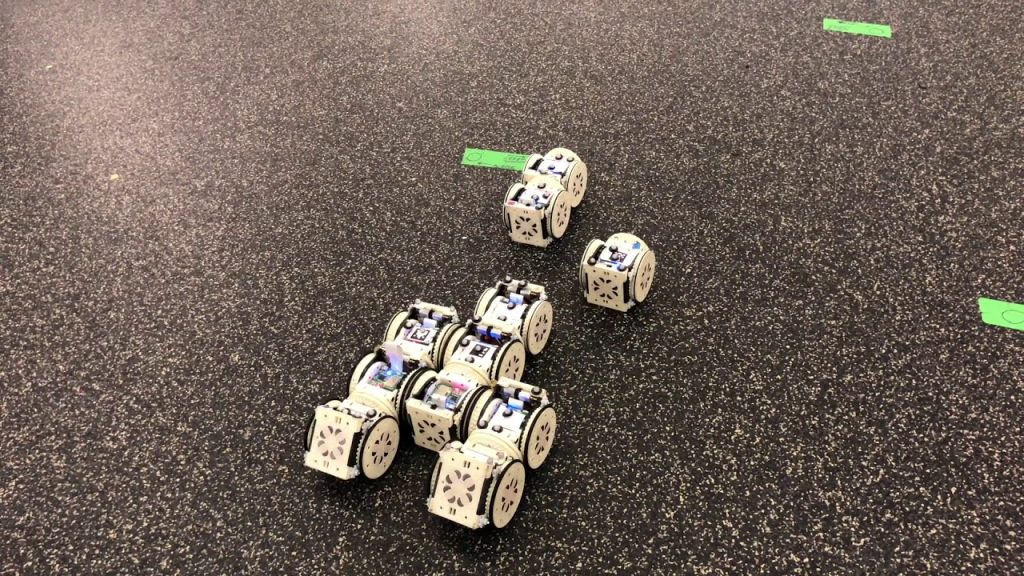
When engineers, integrators, and procurement teams evaluate robotic hardware, modularity and adaptability are assessed across multiple dimensions:
3.1 Interface Standards
Critical to modularity is the presence of well‑defined mechanical, electrical, and data interfaces:
- Mechanical interfaces: Standard mounting points, flange geometries, quick‑release mechanisms
- Electrical interfaces: Common power connectors, safe power‑up sequencing, hot‑swap support
- Communication/data interfaces: Protocol standards (EtherCAT, CAN, ROS2 topics, DDS), version compatibility
Robotic systems using open standards are inherently more adaptable because modules from different vendors can integrate without custom engineering.
3.2 Plug‑and‑Play Capability
True modular systems support plug‑and‑play capability, meaning that:
- New hardware can be installed without system shutdown
- Drivers and middleware auto‑detect and configure modules
- Minimal manual reconfiguration is needed
Evaluators look for robust hot‑swapping capabilities and intelligent discovery protocols.
3.3 Scalability and Expandability
Selection criteria include whether systems can scale up or down:
- Adding more sensors (e.g., extra cameras or LiDAR units)
- Increasing compute capabilities (e.g., more powerful AI modules)
- Expanding manipulation payloads (e.g., different end‑effectors or grippers)
Modularity enables robots of a common base platform to serve in multiple roles.
3.4 Diagnostic and Maintenance Support
Modular systems should provide:
- Easy identification of failing modules
- Self‑reporting diagnostics
- Field serviceability documentation
These factors reduce maintenance effort and improve uptime.
4. Architectural Patterns in Modular Robotics
4.1 Layered Architecture
A common architectural pattern divides a robot into several layers:
- Hardware abstraction layer
- Communication middleware
- Sensing and perception layer
- Decision and control layer
- Actuation and execution layer
Modularity at each layer ensures that components can be swapped or upgraded with minimal ripple effect across the stack.
4.2 Standardized Module Sets
Manufacturers and industry consortia are defining standardized module types:
- Sensor modules (RGB‑D cameras, LiDAR, IMU units)
- Compute modules (edge AI accelerators, CPUs/SoCs)
- Actuation modules (servo packs, linear actuators)
- Power modules (battery packs, UPS components)
- Communication hubs (gateway boards supporting multiple buses)
These are often packaged with defined APIs that simplify system integration.
5. Case Studies: Modularity in Practice
5.1 Modular Vision Systems in Autonomous Robots
Modern autonomous platforms often separate perception into discrete sensor modules:
- LiDAR array modules
- Stereo vision pairs
- Depth cameras (ToF or structured light)
Each module can be independently upgraded as technology improves, and perception stacks can fuse data across modules to yield richer environment understanding. For example, a warehouse robot may start with a basic vision module and later integrate additional depth sensors to support finer manipulation tasks.
5.2 Swappable End‑Effectors in Manipulators
Industrial arms with modular tooling can use:
- Two‑finger grippers
- Three‑finger dexterous hands
- Vacuum suction end‑effectors
- Screwdriver tools
The ability to swap tools quickly enables a single base robot to perform multiple task types—from assembly to packaging—without significant hardware changes.
5.3 Modular Compute and AI Acceleration
Robotic platforms increasingly use modular compute boards with:
- On‑board GPUs or AI accelerators
- Networked edge computing nodes
- Specialized FPGA modules
These modules can be replaced as AI model requirements grow without altering core mechanical components.
6. Evaluation Metrics for Modularity and Adaptability
Organizations evaluating robotic systems use a set of quantitative and qualitative metrics:
6.1 Hardware Interface Score
Assesses:
- Number of supported module types
- Standard compliance (e.g., ROS2, EtherCAT)
- Ease of mechanical and electrical integration
6.2 Upgradeability Index
Measures:
- Ability to integrate newer hardware without redesign
- Support for quantum leaps in capability (e.g., next‑gen AI acceleration)
- Backward compatibility
6.3 Adaptability Rating
Considers:
- Support for dynamic reconfiguration
- Middleware capability for runtime changes
- Multi‑task performance without major software rewrites
6.4 Lifecycle Cost Estimation
Evaluates:
- Expected maintenance and upgrade costs
- Downtime impact of replacing modules
- Spare parts inventory requirements
These metrics help organizations compare different hardware platforms objectively.
7. Industrial Drivers and Commercial Value
7.1 Manufacturing and Smart Factories
In smart manufacturing, modular hardware supports reconfigurable production lines—robots must adapt to new products and tasks without expensive retrofits. Modularity drives:
- Reduced changeover time
- Lower maintenance burden
- Flexibility to integrate new sensors for quality inspection
7.2 Service and Consumer Robotics
Consumer robots benefit from modular designs that:
- Allow updates to sensing packages
- Support personalized accessories
- Provide extended product life through easy upgrades
This aligns with business models emphasizing longevity and incremental feature expansion.
7.3 Autonomous Vehicles and Field Robots
Modularity is critical for field robotics:
- Swap sensor suites for different environments (urban vs. rural)
- Replace power modules for extended operations
- Integrate specialized compute for advanced perception
8. Technical Challenges and Research Directions
8.1 Interface Standardization
Although modularity promises interoperability, achieving broad industry standards remains a work in progress. Competing standards for electrical, mechanical, and data interfaces complicate integration.
8.2 Software Integration
Modularity requires middleware capable of handling:
- Module discovery and self‑configuration
- Dynamic driver loading and resource allocation
- Fault tolerance across heterogeneous systems
Frameworks like ROS2 and DDS (Data Distribution Service) are advancing these capabilities, but complete, vendor‑agnostic solutions are ongoing research topics.
8.3 Reliability and Robustness
Modular connections are often physically less rigid than integrated assemblies, raising concerns about:
- Signal integrity
- Mechanical wear
- Environmental sealing
Designers must balance modularity with operational durability.
9. Future Directions
9.1 Composable Robotics Platforms
Composable robotics refers to the ability to assemble robots from a catalog of interoperable modules much like building blocks, enabling:
- Rapid prototyping
- Customized robot configurations
- Marketplace economies for hardware modules
This trend parallels developments in software microservices and cloud computing.
9.2 Digital Twins and Virtual Modularity
Digital twin models that mirror real hardware configurations will enable:
- Virtual testing of module combinations
- Predictive maintenance
- Simulation‑based control tuning
Digital modularity further enhances adaptability by allowing virtual exploration before physical deployment.
9.3 AI‑Assisted Configuration and Optimization
Machine learning models will increasingly assist in:
- Selecting optimal module combinations for tasks
- Self‑configuring hardware at runtime
- Balancing performance vs. power consumption dynamically
This meta‑adaptability will enhance autonomy and efficiency.
Conclusion
As robotics technology matures and applications expand into increasingly complex and variable environments, hardware modularity and adaptability have become essential dimensions in how robotic systems are selected, evaluated, and ultimately deployed. These qualities enable robots to be future‑proofed, cost‑effective, flexible, and resilient, addressing both current needs and unforeseen future challenges.
Evaluators now consider modularity not just as a convenience but as a strategic requirement—a dimension that impacts total cost of ownership, upgrade pathways, ecosystem interoperability, and long‑term operational success. As modular design principles continue to gain traction, the robotics industry will likely move toward composable hardware ecosystems, standardized interfaces, and intelligent adaptability mechanisms that together support a new generation of versatile, robust, and capable robotic systems.
The transition from monolithic robots to modular, adaptable platforms mirrors broader trends in computing, networking, and systems engineering—where flexibility, scalability, and interoperability drive competitive advantage and innovation. In robotics, embracing modularity and adaptability is not merely good engineering practice; it is a fundamental enabler of the next era of intelligent machines.