









Introduction
Modern robotics is undergoing a paradigm shift from highly specialized, task-specific machines to general-purpose platforms capable of performing diverse tasks across multiple industries. Central to this transformation are two closely related design principles: modularity and extensibility. By enabling interchangeable manipulators and tool modules, robots can be rapidly reconfigured for different operational requirements without the need for entirely new systems.
This approach not only reduces costs and deployment time but also improves adaptability, allowing a single robot platform to function effectively in logistics, manufacturing, healthcare, inspection, and even unstructured environments. This article provides a comprehensive professional analysis of modularity and extensibility in robotics, including design strategies, mechanical and electrical considerations, control integration, industrial applications, and the evolving standards and trends driving the adoption of universal robotic platforms.
1. The Case for Modularity in Robotics
1.1 From Specialized to Universal Platforms
Traditional industrial robots are often designed for a single task—welding, pick-and-place, or painting. While highly optimized for performance in those tasks, these systems are inflexible, requiring complete redesign or investment in separate robots for new applications.
Modular robotic design allows a single platform to adopt:
- Different end-effectors (grippers, suction cups, tools)
- Task-specific sensor modules (LiDAR, cameras, tactile sensors)
- Alternative manipulators for varying reach and payloads
This shift transforms robots from static, single-purpose assets into versatile, long-term investments that can evolve with changing production or service requirements.
1.2 Economic and Operational Benefits
- Cost efficiency: One robot can serve multiple functions, reducing capital expenditures
- Reduced downtime: Tool or module changes are faster than deploying entirely new robots
- Simplified maintenance: Standardized modules can be swapped quickly in case of failure
- Future-proofing: Modular platforms can incorporate emerging tools, sensors, or actuators without redesigning the entire system
2. Interchangeable Manipulators and End-Effectors
2.1 Types of Manipulators
- Serial arms: Common in industrial robotics; modular joints allow variable reach and dexterity
- Parallel manipulators: Offer high rigidity and precision; modular end-effectors expand application
- Mobile manipulators: Combine base mobility with manipulators; modularity extends flexibility across environments
2.2 Modular End-Effectors
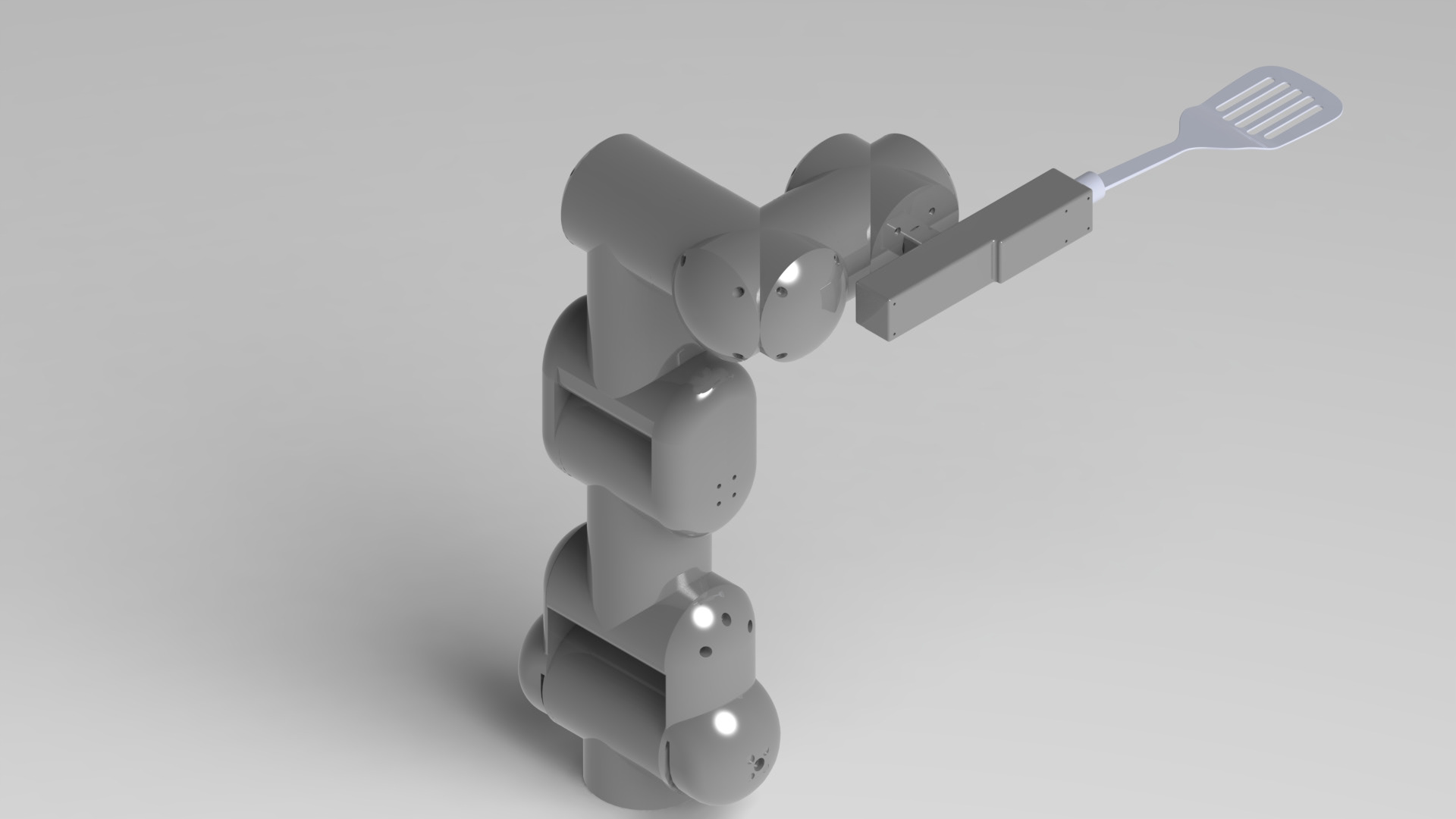
End-effectors are the primary interface between robot and task. Modular end-effectors allow for:
- Rapid tool swapping based on task requirements
- Specialized grippers for delicate or irregular objects
- Multi-functional tools combining grasping, cutting, welding, or inspection
Key Design Considerations for Interchangeable End-Effectors
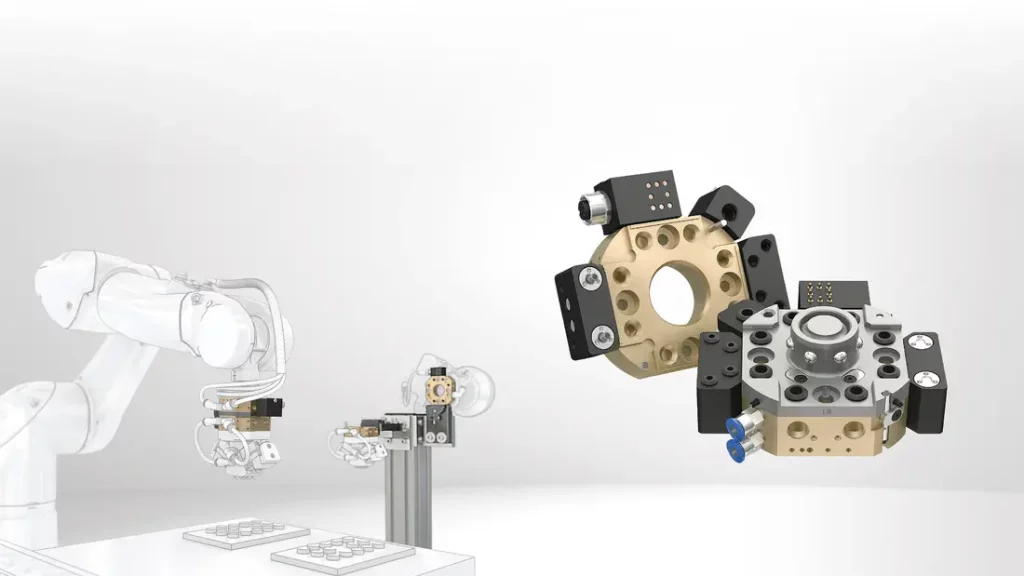
- Mechanical interface: Robust, standardized couplings
- Electrical/pneumatic connections: Plug-and-play compatibility
- Control protocols: Seamless integration with existing motion and feedback systems
- Sensor integration: Embedded force, torque, and tactile sensors for safe and precise operation
3. Extensibility Through Tool Modules
3.1 Tool Modules and Adaptable Tasks
Tool modules expand a robot’s capabilities beyond physical manipulation:
- Welding modules for industrial fabrication
- Vacuum or magnetic grippers for material handling
- Precision inspection sensors for quality control
- Agricultural or medical tools for specialized operations
Extensible platforms allow rapid reconfiguration for task-specific objectives, which is increasingly critical in industries with high product variability.
3.2 Integration Challenges
Integrating tool modules requires addressing:
- Power and signal delivery: Ensuring sufficient current, voltage, and communication channels
- Weight and balance: Maintaining stability and precision when switching modules
- Control algorithms: Automatically adjusting motion parameters based on tool type and geometry
Advanced robot controllers now include automatic tool recognition and calibration, reducing setup time and enhancing accuracy.
4. Mechanical and Electrical Modularity
4.1 Modular Mechanical Design
- Joint modularity: Replace or upgrade individual joints to adjust payload, speed, or range
- Segmented arms: Extend or shorten manipulators by adding or removing modules
- Universal couplers: Standardized mounts facilitate fast end-effector changes
4.2 Modular Electrical Architecture
- Plug-and-play power interfaces: Allow tool modules to draw power without custom wiring
- Communication bus standardization: Support real-time sensor feedback and actuator commands
- Embedded safety features: Automatic detection of module presence to prevent damage or collision
Mechanical and electrical modularity together enable true plug-and-play robotics, where a single operator can reconfigure a robot for multiple scenarios with minimal downtime.
5. Control System Considerations for Modular Robotics
5.1 Software Adaptability
Control software must support:
- Automatic identification of modules
- Dynamic adjustment of motion parameters (force, speed, trajectory)
- Integration of sensor feedback from new tools
Middleware solutions such as ROS (Robot Operating System) provide frameworks for modular robotics, allowing device-agnostic programming and modular software components.
5.2 Safety and Compliance
- Force and torque limits must adapt to the current end-effector or tool module
- Collision avoidance systems must account for changing robot geometry
- Real-time monitoring ensures safe human-robot interaction even as modules change
6. Industrial Applications of Modular Robotic Platforms
6.1 Manufacturing
- Flexible assembly lines: Robots reconfigured for multiple product variants
- Quick tooling changes: Modular grippers for different parts sizes or materials
- Inspection and quality control: Swappable sensor modules for visual or tactile inspection
6.2 Logistics and Warehousing
- Modular manipulators adjust for varying package sizes
- End-effectors can switch between gripping, suction, or conveyor integration
6.3 Service Robotics
- Robots in healthcare, hospitality, or maintenance can swap tools for cleaning, lifting, or assistance tasks
- Modular architecture allows rapid adaptation to facility changes
6.4 Research and Prototyping
- Modular robots accelerate experimentation by allowing researchers to test new end-effectors, sensors, or actuators without redesigning the platform
7. Standards and Ecosystem for Modularity
7.1 Hardware Standards
- ISO and IEEE initiatives for universal mechanical and electrical interfaces
- Development of standard tool couplings, data buses, and connectors ensures cross-platform compatibility
7.2 Software Ecosystem
- ROS packages for plug-and-play modules
- Modular libraries for sensor fusion, motion planning, and task execution
Standardization fosters industry-wide interoperability, enabling tool and module suppliers to design components compatible with multiple robotic platforms.
8. Advantages of Modularity and Extensibility
- Operational flexibility: One robot platform performs multiple tasks
- Reduced lifecycle costs: Less capital expenditure and faster ROI
- Scalability: Easily upgrade manipulators, sensors, or actuators as technology evolves
- Rapid deployment: Swappable modules minimize reconfiguration time
- Innovation-friendly: Developers can experiment with new tools without full redesign
9. Challenges and Future Directions
9.1 Mechanical Complexity
- Robust couplers must handle high payloads without compromising precision
- Repeated module swaps may require durable wear-resistant materials
9.2 Control Complexity
- Software must dynamically adapt to variable kinematics and sensor configurations
- Machine learning may be needed to adjust grip or motion for new end-effectors
9.3 Power and Communication Limitations
- High-power actuators or sensors demand standardized energy delivery solutions
- Data communication must support real-time performance across multiple modules
9.4 Future Trends
- Smart modules with embedded computation and AI
- Wireless module interfaces for reduced cabling
- Self-calibrating systems that detect and configure new tools automatically
- Ecosystem expansion with cross-industry interoperability for research, manufacturing, and service applications
Conclusion
Modularity and extensibility are shaping the next generation of universal robotic platforms. By supporting interchangeable manipulators and tool modules, these systems provide unprecedented flexibility, efficiency, and adaptability.