









Introduction: A Turning Point for Robotics on the Global Stage
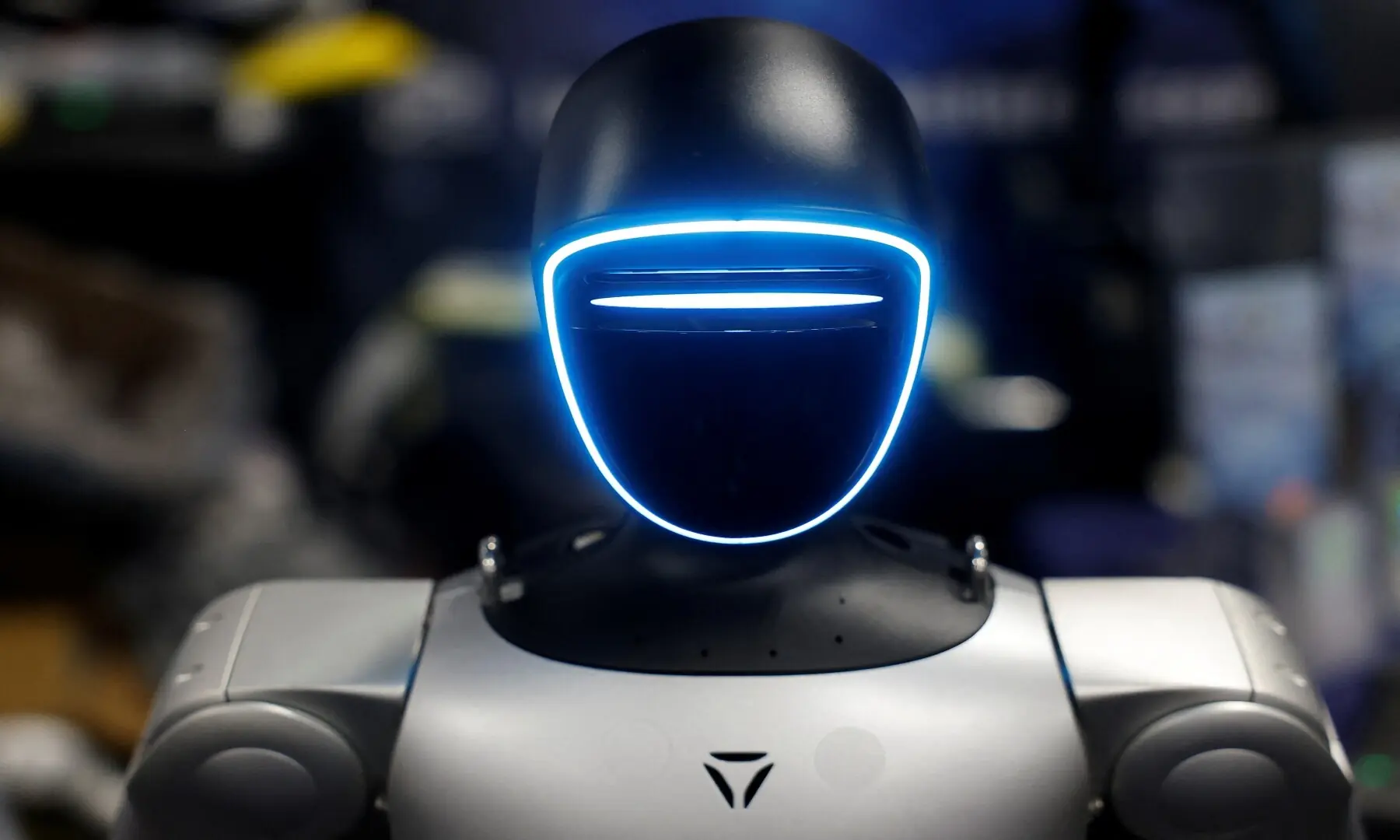
The Consumer Electronics Show (CES) 2026, held January 6–9 in Las Vegas, marked a pivotal moment for robotics and artificial intelligence (AI). Traditionally known as a platform for consumer gadgets and futurist prototypes, CES 2026 showcased something more profound: robots that are not just conceptual marvels, but increasingly practical systems ready to operate in real-world environments. At this year’s event, robotics innovation was everywhere—from humanoid industrial robots and digital twins integrated with automation hardware, to AI-powered autonomous assistants designed for home life and workplace logistics.
With more than 148,000 attendees from over 150 countries and regions, CES 2026 has emerged as one of the most influential intersections of robotics, AI, sensors, connectivity, and human–machine interaction in recent memory.
In this comprehensive article, we’ll explore the most significant robotics innovations revealed at CES 2026—their technical foundations, strategic importance, commercial prospects, and broader implications for industry, labor, and everyday life.
1. Physical AI and the Shift from Prototype to Practical Deployment
One of the most pervasive themes at CES 2026 was Physical AI—AI systems capable of perceiving, reasoning, and acting in the physical world. While earlier robotics showcases often focused on lab-bound prototypes, this year’s event highlighted systems that learn, adapt, and operate in dynamic environments.
Physical AI moves beyond static programming toward context-aware behavior, meaning robots can interpret physical surroundings and execute tasks with higher autonomy. This signals a critical shift—from concept demonstrations to application-driven robotics solutions with real-world utility.
2. Humanoid Robots: Real Work, Not Just Stage Acts
Atlas: A Factory-Ready Humanoid Emerges
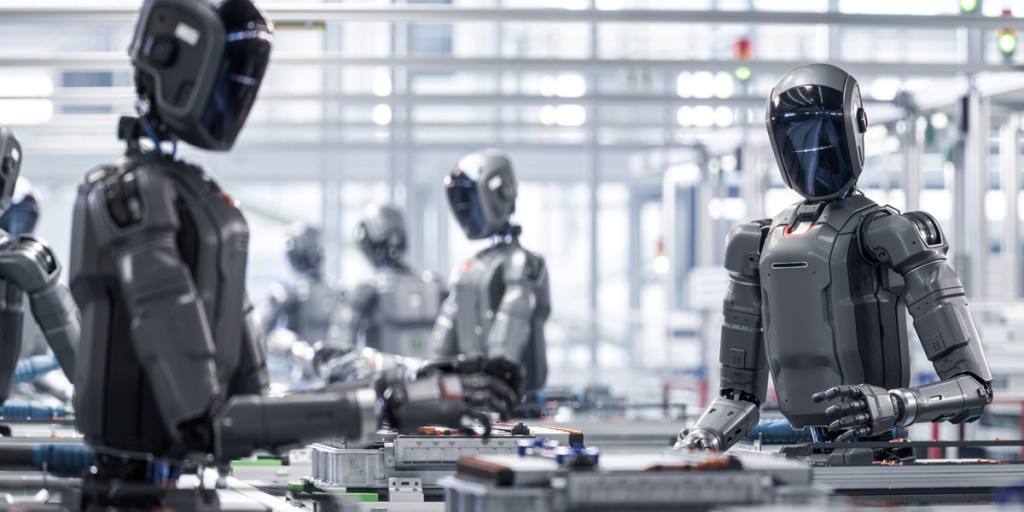
Perhaps the most talked-about robotics success at CES 2026 was the presence of humanoid robots that demonstrated capabilities far exceeding typical show-floor scripted motions. One standout was Boston Dynamics’ Atlas humanoid, showcased under the umbrella of Hyundai Motor Group’s robotics strategy. Atlas was widely recognized for its adaptivity, balance, and manipulation skills, earning the Best Robot award from CNET at CES 2026.
Unlike traditional demos—where robots merely repeat pre-programmed sequences—Atlas demonstrated real-time sensor-driven autonomy, showing how an intelligent machine can move and interact with unpredictable environments. According to multiple reports, this marks a departure from robots that “pose” for cameras toward systems geared for industrial deployment.
Hyundai has stated its intent to deploy Atlas in smart factories by 2028, signaling a shift from lab-bound prototypes to production-ready humanoid robotics.
AEON and Other Humanoid Contenders
In addition to Atlas, several other humanoid systems were highlighted at CES 2026. For example, the AEON humanoid robot was featured as a CES Innovation Award honoree for robotics—designed to handle repetitive or hazardous tasks while safely collaborating with humans.
These humanoid robots exemplify general-purpose robotics—machines that can adapt to multiple tasks rather than being limited to fixed routines—a key requirement for real-world deployment in factories, warehouses, and service environments.
3. Collaborative and Industrial Automation Takes a Leap
Digital Twin Meets Physical Robotics
A remarkable demonstration of digitally augmented robotics was the collaboration between Universal Robots, Robotiq, and Siemens at CES 2026. This showcase combined the UR20 collaborative robot arm, a Robotiq palletizing cell, and Siemens’ Digital Twin Composer software, allowing attendees to experience a fully simulated palletizing cell operating in real time alongside live hardware.
This integration highlights how digital twins—virtual replicas of physical systems—can optimize robot behavior, enhance efficiency, and enable predictive adjustments in manufacturing workflows. The system uses real-time insights to dynamically optimize gripper performance and suction points, illustrating what happens when industrial AI bridges digital models and physical operation.
Logistics and Automated Systems
Beyond palletizing, autonomous mobile robots (AMRs) and collaborative robots (cobots) were featured throughout the show floor, illustrating that robotics isn’t limited to humanoid machines. Hyundai Motor Group’s booth, for instance, featured examples like Stretch, a warehouse robot designed for unloading trucks—demonstrating how robots can relieve humans of physically demanding tasks.
Such solutions point toward a future in which robot-assisted logistics becomes standard in warehousing and supply chain operations.
4. AI Robotics Awards and Innovation Highlights
MobED: Best of Innovation Award Winner
One of the most celebrated robotics innovations at CES 2026 was MobED (Mobile Eccentric Droid) from Hyundai Motor Group’s Robotics LAB, which earned the Best of Innovation award in the robotics category. This award—one of the highest honors at CES—recognizes technologies that demonstrate exceptional innovation in design and engineering.
MobED is an autonomous mobile robot platform designed to operate across a range of environments and terrains. Two versions were shown:
- MobED Basic, a standard modular mobility system
- MobED Pro, equipped with AI-driven autonomous navigation and obstacle avoidance capabilities
The platform’s open design allows developers to customize modules for diverse applications—from logistics and delivery to human-centric automation.
SharpaWave Robotic Hand: Dexterous Manipulation for Next-Gen Robotics
Another notable honoree was SharpaWave, a dexterous robotic hand developed by Singapore’s Sharpa Robotics, which won a CES 2026 Innovation Award. SharpaWave features an advanced tactile sensing architecture that allows highly adaptive manipulation capabilities—nearly replicating human-like touch and control, critical for general-purpose robotics that require fine manipulation of objects.
Such innovations are crucial stepping stones toward robots that can perform complex tasks like tool handling, precise assembly, and delicate manipulation—areas where traditional industrial robots still struggle.
5. Consumer and Home Robotics: From Novelty to Everyday Assistants
LG’s CLOiD and SwitchBot’s Onero H1
CES 2026 also showcased groundbreaking consumer robotics solutions aimed at everyday life. LG’s CLOiD represents a new class of AI-powered home robot capable of assisting with daily chores, navigating spaces, and adapting to user routines. With multiple articulated joints and integrated perception systems, CLOiD exemplifies how smart home robotics could evolve from simple appliances to truly autonomous assistants.
Similarly, SwitchBot’s Onero H1 humanoid-style mobile robot was demonstrated handling tasks such as making coffee, organizing laundry, and interacting with other smart devices in the home. This robot reflects a growing trend toward context-aware embodied AI—robots capable of understanding their environment and acting with minimal human direction.
Although consumer robots still face challenges related to cost, safety, and long-term reliability, CES 2026 underscored that these devices are moving closer to practical use in everyday settings.
6. Robotics Advancing All Strata of Human Activity
Robots in Food and Service Industry Innovation
AI and automation were spotlighted not just in robotics but also across sectors where robotics intersects with food tech and service delivery. For example, several articles highlighted how automated systems are reshaping restaurants, supply chains, and facility operations—indicating that robotics innovations are not siloed but permeating diverse industries.
Outdoor and Specialty Robotics
Dozens of exhibitors showcased robots aimed at outdoor tasks, such as advanced lawn robots with LiDAR navigation and enhanced mobility systems. These machines demonstrate how perception-driven robotics can operate in unpredictable environments—an important indicator of how robotics is bridging domestic and commercial utility.
7. Technical Trends Revealed at CES 2026
AI and Sensor Fusion
A clear trend at CES 2026 was the integration of advanced AI with multi-modal sensor fusion. Robots deployed at the event leveraged combinations of vision systems, depth perception, tactile sensors, and machine learning models to interpret their surroundings and adjust behavior in real time.
This shift toward contextual intelligence marks a departure from earlier robotics approaches that relied heavily on scripted behavior and controlled environments.
Energy-Efficient Mobility and Autonomous Navigation
Mobility platforms, whether for industrial, warehouse, or home use, showed significant advancements in energy efficiency, autonomous navigation, and obstacle avoidance. The ability for robots to plan paths, manage power autonomously, and navigate unpredictable terrain was a major theme throughout CES 2026.
These capabilities are foundational for robots that can operate continuously outside of controlled laboratory or demonstration environments.
8. Implications for Industry and Labor
From Labor Eradication to Labor Augmentation
One persistent theme across CES 2026 robotics demonstrations was the idea that robots are not replacements for humans, but rather augmentations that can relieve humans of strenuous, hazardous, and repetitive work. This trend reflects broader shifts in industrial economics, where collaboration between humans and robots increases productivity and safety.
Integration with Digital Infrastructure
The robotics innovations at CES underscore the growing importance of integrated digital and physical systems. Sensors, AI stacks, digital twins, and edge computing architectures are converging to create systems where robots are not isolated tools, but nodes within interconnected industrial and consumer ecosystems.
9. Challenges and the Road Ahead
Despite the breakthroughs showcased at CES 2026, robotics still faces several key challenges:
- Safety and Regulation: Ensuring robots operate safely around humans remains a top concern, requiring rigorous standards and verification frameworks.
- Reliability and Cost: Many advanced robotics solutions are still prototypical, with commercialization timelines and cost targets yet to be finalized.
- User Adoption: Mass adoption will depend on not just technical capability but also user trust, affordability, and long-term support.
10. Conclusion: CES 2026 as a Watershed Moment for Robotics
CES 2026 demonstrated that robotics has entered a new phase. No longer confined to laboratories, robots are becoming practical, integrated, and impactful systems across industries and daily life. The innovations showcased—from humanoid industrial robots and collaborative automation to AI-powered home assistants and advanced manipulation systems—highlight that robotics is not just a research frontier anymore. It is a transformative force redefining how we work, live, and interact with intelligent machines.
In essence, CES 2026 was not just a tech show—it was a global snapshot of how robotics is moving into the mainstream, backed by cutting-edge AI, real-world applicability, and a collective vision for a future where robots enhance human capability and quality of life.