








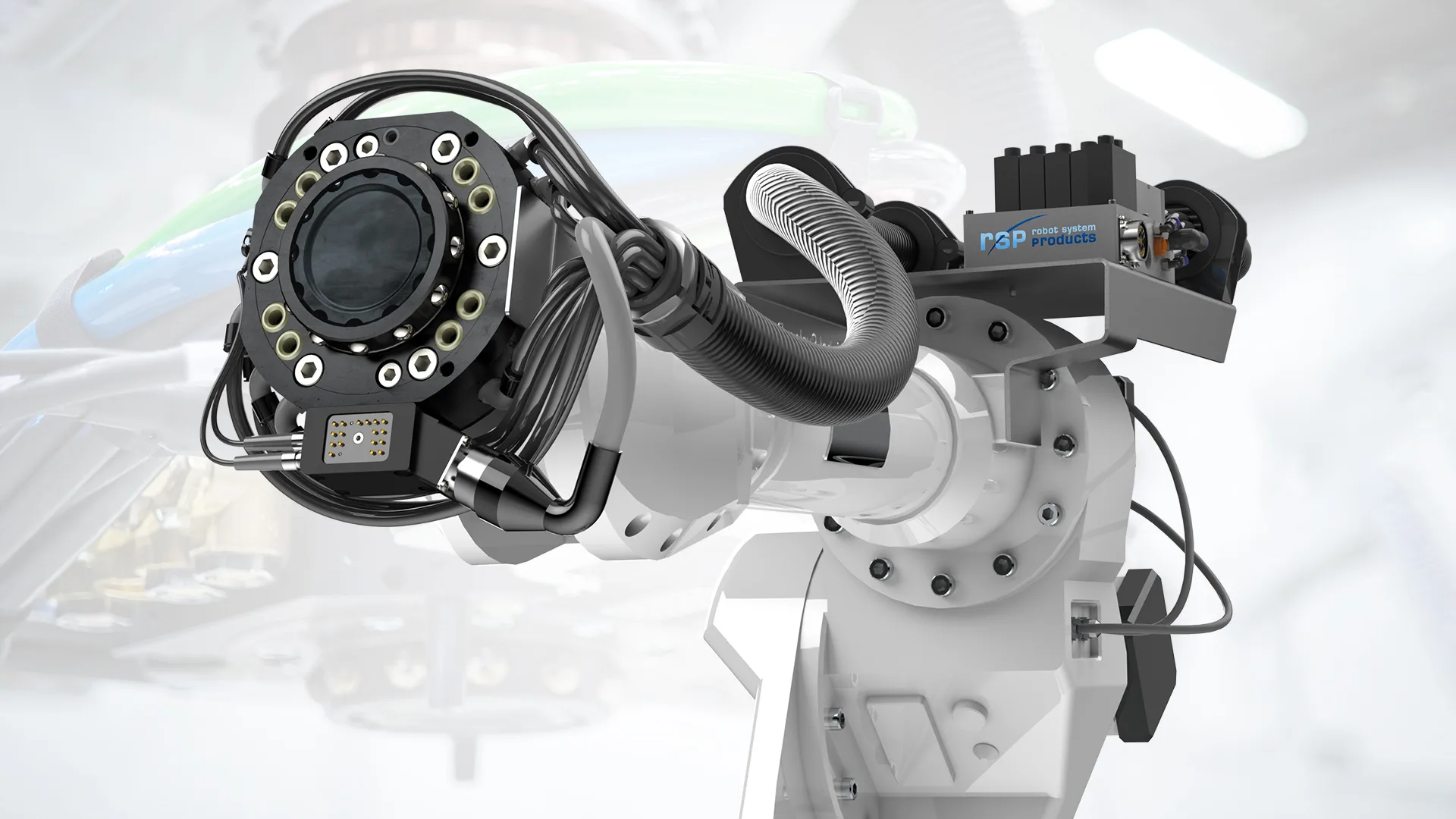

Introduction: From Specialized Machines to Universal Tools
Throughout human history, each major leap in productivity has been driven by a transformation in tools. The stone axe extended physical strength, the steam engine amplified muscle power, electricity enabled mass production, and computers expanded cognitive capacity. Today, humanity stands at the threshold of another fundamental shift: robots are becoming ubiquitous production tools. No longer confined to isolated industrial cages or science fiction narratives, robots are steadily evolving into general-purpose instruments embedded across manufacturing, logistics, agriculture, healthcare, services, and even creative industries.
What distinguishes robots from earlier tools is not merely automation, but autonomy combined with adaptability. Modern robots can perceive their environment, make decisions based on data, learn from experience, and collaborate with humans. As artificial intelligence, sensor technologies, cloud computing, and advanced materials converge, robots are transitioning from specialized equipment to universal production infrastructure, much like electricity or computing once did.
1. Defining “Ubiquitous Production Tools”
1.1 What Does “Ubiquitous” Mean in Production?
A ubiquitous production tool has three defining characteristics:
- Wide Accessibility – It is affordable and usable across industries, firm sizes, and regions.
- General-Purpose Functionality – It can be adapted to multiple tasks rather than serving a single narrow function.
- Systemic Integration – It becomes embedded in workflows, supply chains, and organizational structures.
Robots are increasingly meeting all three criteria. Collaborative robots (cobots), mobile robots, and software-defined robotic systems can be reprogrammed quickly, scaled flexibly, and deployed in diverse environments.
1.2 Robots vs. Traditional Automation
Traditional automation relies on fixed machinery optimized for repetitive, predictable tasks. Robots differ in key ways:
- Perception: Cameras, lidar, force sensors, and tactile feedback enable situational awareness.
- Decision-Making: AI algorithms allow robots to respond to variability.
- Learning: Machine learning enables continuous improvement.
- Mobility and Collaboration: Robots can move, adapt, and work safely alongside humans.
These qualities make robots closer to digital workers with physical embodiment than to conventional machines.
2. Technological Foundations of Robotic Ubiquity
2.1 Artificial Intelligence as the Cognitive Engine
AI is the most critical enabler of robotic universality. Key advances include:
- Computer Vision: Deep learning enables robots to recognize objects, defects, gestures, and environments with near-human accuracy.
- Reinforcement Learning: Robots can learn optimal actions through trial and error, reducing programming complexity.
- Natural Language Processing: Voice and text interfaces allow non-experts to instruct robots.
- Generative AI: Robots can plan tasks, simulate outcomes, and adapt workflows dynamically.
As AI models become more capable and cost-effective, robots shift from pre-programmed tools to context-aware agents.
2.2 Hardware Miniaturization and Cost Decline
Historically, robots were expensive, bulky, and energy-intensive. Recent trends have changed this reality:
- Cheaper sensors driven by consumer electronics markets
- Lightweight composite materials and 3D-printed components
- Modular actuators and standardized interfaces
- Energy-efficient motors and batteries
The result is a dramatic reduction in total cost of ownership, making robots viable for small and medium-sized enterprises (SMEs), not just large corporations.
2.3 Cloud Robotics and Connectivity
Robots no longer operate in isolation. Through cloud connectivity:
- Computationally intensive tasks are offloaded to servers
- Robots share data and learn collectively
- Updates and improvements are deployed remotely
- Integration with enterprise systems becomes seamless
This networked intelligence transforms individual robots into nodes within a distributed production brain.
3. Economic Drivers of Robot Adoption
3.1 Rising Labor Costs and Demographic Shifts
Many economies face aging populations, labor shortages, and rising wages. Robots provide:
- Labor substitution where workers are scarce
- Productivity amplification where human labor is expensive
- Continuity in regions with declining workforce participation
Unlike human labor, robots do not retire, migrate, or require long training cycles.
3.2 Demand for Flexibility and Customization
Modern markets demand:
- Shorter product life cycles
- Mass customization instead of mass standardization
- Rapid response to disruptions
Robots excel in flexible automation. A single robotic system can switch tasks through software updates, enabling agile manufacturing.
3.3 Risk Reduction and Resilience
Robots enhance economic resilience by:
- Operating in hazardous environments
- Maintaining production during pandemics or disasters
- Reducing dependency on fragile labor supply chains
In an era of global uncertainty, robots are increasingly viewed as strategic assets rather than optional investments.
4. Sectoral Transformation: Robots Across Industries
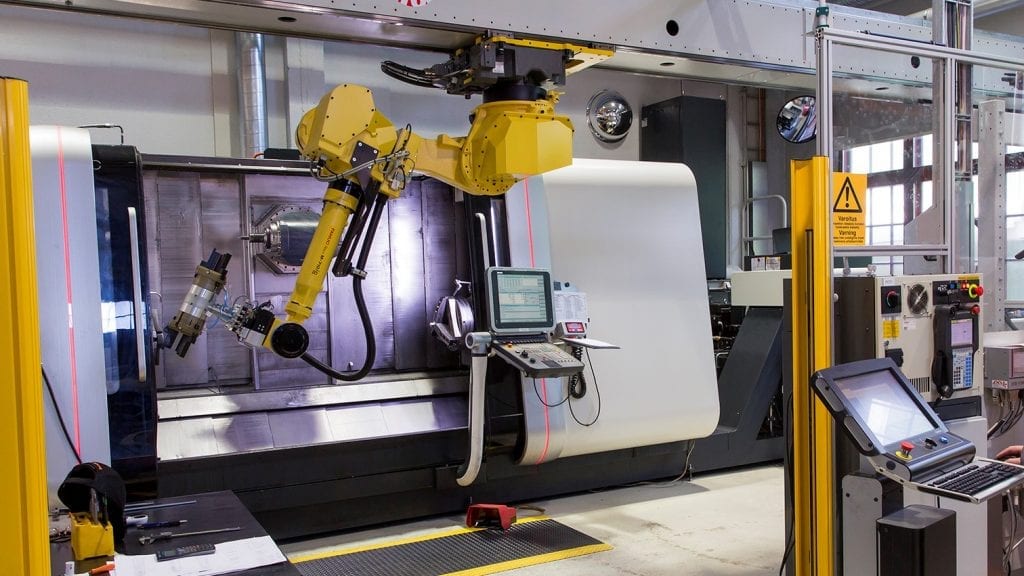
4.1 Manufacturing: From Automation to Autonomy
Manufacturing remains the epicenter of robotic adoption, but its nature is changing:
- Cobots assist workers in assembly and quality control
- Autonomous robots manage intra-factory logistics
- AI-driven robots optimize processes in real time
Factories are evolving into cyber-physical systems where humans and robots co-create value.
4.2 Logistics and Warehousing
E-commerce growth has accelerated robotic logistics:
- Autonomous mobile robots (AMRs) handle picking and transport
- Robotic arms sort packages at high speed
- AI systems coordinate inventory flows
These systems reduce errors, increase throughput, and enable 24/7 operations.
4.3 Agriculture and Food Production
Robots address challenges of labor scarcity and sustainability:
- Precision spraying and harvesting reduce chemical use
- Autonomous tractors optimize fuel and soil impact
- Robotic milking and feeding systems enhance animal welfare
Agriculture is shifting from labor-intensive to data-driven and robot-assisted production.
4.4 Healthcare and Life Sciences
Robots are redefining healthcare production:
- Surgical robots enhance precision and consistency
- Laboratory robots accelerate drug discovery
- Service robots support logistics and patient care
Here, robots augment rather than replace human expertise, improving quality and scalability.
4.5 Services and Creative Industries
Even traditionally “human-centric” sectors are adopting robots:
- Service robots in hospitality and retail
- Robotic process automation (RPA) in administrative work
- AI-assisted creative tools for design and media
This expansion underscores the general-purpose nature of robotic systems.
5. Human–Robot Collaboration: A New Production Paradigm
5.1 From Replacement to Augmentation
The dominant trend is not full automation but collaboration:
- Humans provide judgment, creativity, and ethical oversight
- Robots provide strength, precision, and endurance
This division of labor increases overall productivity while preserving human agency.
5.2 Redefining Skills and Roles
As robots become ubiquitous, skill requirements shift:
- Technical literacy and system supervision
- Data interpretation and decision-making
- Interdisciplinary problem-solving
Education systems must adapt to prepare workers for robot-rich environments.
5.3 Organizational Change
Robotic integration transforms organizations:
- Flatter hierarchies enabled by automation
- Data-driven management practices
- Continuous improvement through feedback loops
Companies become more adaptive, but also more dependent on technological competence.
6. Societal and Macroeconomic Implications
6.1 Productivity Growth and Economic Expansion
Robots have the potential to:
- Reverse stagnating productivity trends
- Enable economic growth without proportional resource consumption
- Support higher living standards
In this sense, robots function as engines of abundance.
6.2 Employment and Inequality
The impact on employment is complex:
- Some jobs are displaced
- New roles and industries emerge
- Inequality may widen if benefits are unevenly distributed
Policy intervention is essential to ensure fair transitions through reskilling and social safety nets.
6.3 Ethical and Governance Challenges
Ubiquitous robots raise critical questions:
- Accountability for autonomous decisions
- Data privacy and surveillance
- Safety and trust in human-robot interaction
Robust governance frameworks are necessary to align technological progress with societal values.
7. Barriers to Ubiquity and How They Can Be Overcome
7.1 Technical Limitations
Challenges remain in:
- Robust perception in unstructured environments
- Generalized manipulation and dexterity
- Energy efficiency and autonomy
Ongoing research and interdisciplinary collaboration are addressing these gaps.
7.2 Economic and Cultural Resistance
Adoption barriers include:
- High upfront investment for some users
- Fear of job loss
- Organizational inertia
Demonstrating tangible benefits and fostering participatory implementation can mitigate resistance.
7.3 Regulatory and Standardization Issues
Fragmented regulations and lack of standards slow deployment. International cooperation and open standards are key to scaling robotic ecosystems.
8. The Future Outlook: Robots as Infrastructure
Looking ahead, robots are likely to resemble:
- Electricity: Invisible yet indispensable
- Computing: Embedded in every process
- Transportation: A foundational enabler of economic activity
As costs fall and capabilities rise, robots will fade into the background of production systems—always present, rarely noticed, but fundamentally shaping how value is created.
Conclusion: A New Chapter in Human Productivity
Robots becoming ubiquitous production tools is not a distant vision; it is an unfolding reality. Driven by advances in AI, economic necessity, and societal demand for efficiency and resilience, robots are transitioning from specialized machines to general-purpose partners in production.
This transformation does not diminish the role of humans. On the contrary, it redefines human contribution, shifting focus from repetitive labor to creativity, strategy, and stewardship. The true challenge lies not in building smarter robots, but in designing economic systems, institutions, and values that harness robotic ubiquity for the collective good.
If guided wisely, the age of ubiquitous robots can mark not the end of work, but the beginning of a more productive, humane, and sustainable era of production—one in which technology amplifies human potential rather than replaces it.