









Introduction: Why Robot Vacuums Matter in Modern Homes
Robot vacuums have rapidly transitioned from niche tech gadgets to staple cleaning appliances in homes around the world. As more people seek hands‑free, intelligent cleaning solutions to manage busy lifestyles, these autonomous devices must be evaluated not just for basic suction but for navigation intelligence, mapping capabilities, self‑maintenance features, hybrid vacuum‑mop functions, and overall user experience. In 2026, the robot vacuum market has matured significantly, with advanced AI, superior sensor systems, and smarter cleaning automation defining the new generation of products.
This extensive guide explores the most recommended robot vacuums of 2026, how they perform in real‑world use, what features matter most, and how to choose the best model for different home needs. It also breaks down key performance categories like suction power, mapping accuracy, pet hair handling, hybrid cleaning, and battery life, presenting a professional, data‑informed perspective that helps consumers and tech enthusiasts make informed decisions.
1. How Robot Vacuums Are Tested and Evaluated
Before diving into specific models, it’s important to understand how experts test robot vacuums. Leading review sites and buying guides employ a rigorous methodology, typically including:
- Debris pickup tests on a variety of surfaces including hardwood, low‑pile and deep‑pile carpets.
- Navigation and mapping assessments to judge how well the robot scans and remembers room layouts.
- Obstacle avoidance performance to see how the device handles furniture, cables, and unexpected objects.
- Suction power measurements often expressed in Pascals (Pa) to quantify cleaning strength.
- Battery life and runtime tests for whole‑home coverage without multiple charges.
- Durability and maintenance criteria, such as the ease of cleaning brushes and bins.
- User experience evaluations, including app quality, setup complexity, and scheduling controls.
These benchmarks provide a structured way to compare vacuums across price ranges and use cases.
2. Top Robot Vacuums of 2026: Overview
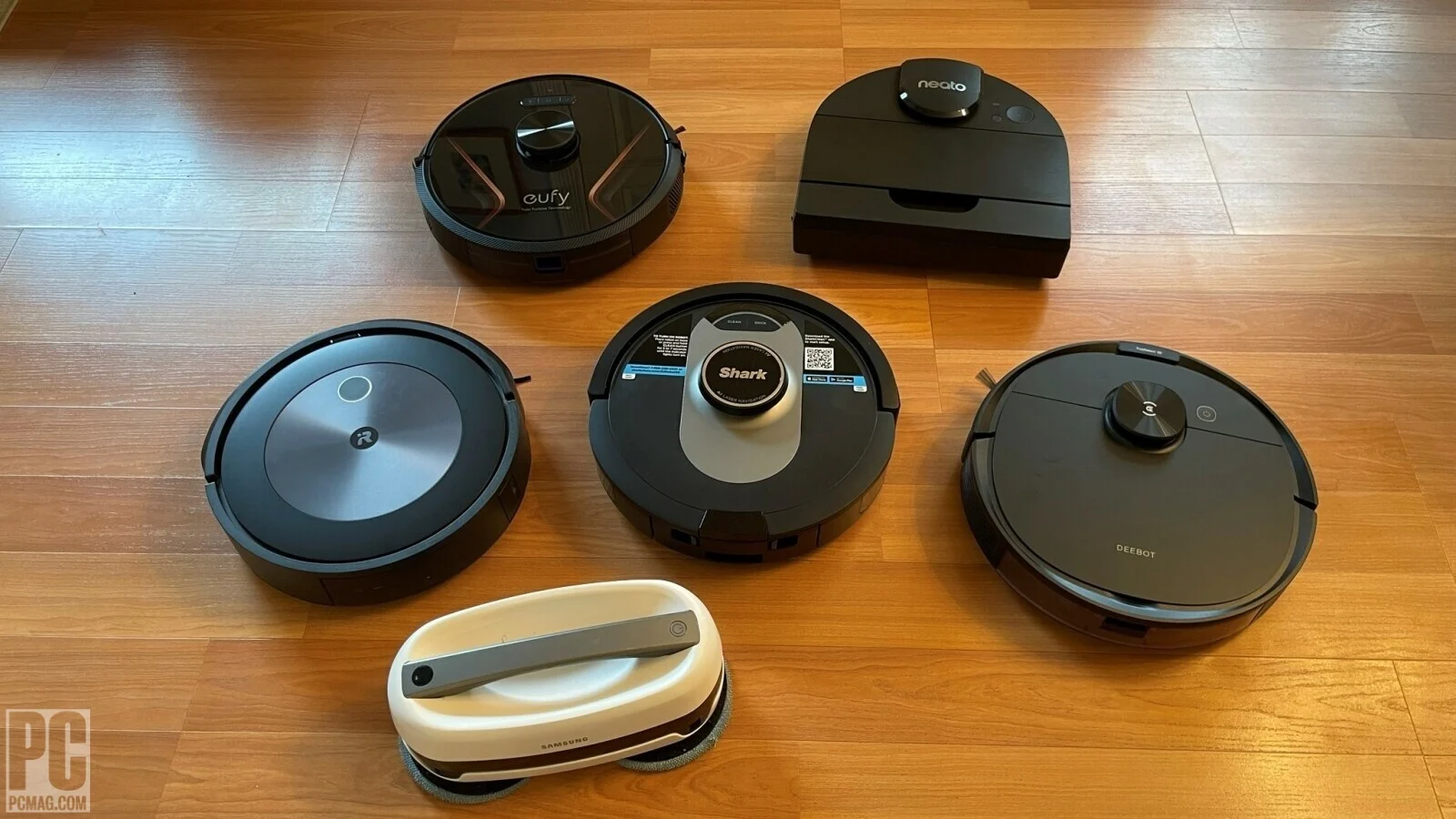
Drawing on expert reviews and comparative data, the following models stand out as the top performers in 2026:
🏆 Ecovacs Deebot T50 Pro Omni — Best Overall
The Deebot T50 Pro Omni consistently ranks at the top of expert lists thanks to its powerful 15,000 Pa suction, advanced 3D navigation, and comprehensive auto‑maintenance station that includes self‑emptying, hot water mop washing, and drying. This level of automation makes it ideal for users seeking true hands‑off cleaning.
✔ Pros: Excellent all‑around performance, advanced navigation, substantial suction
✘ Cons: Higher price point
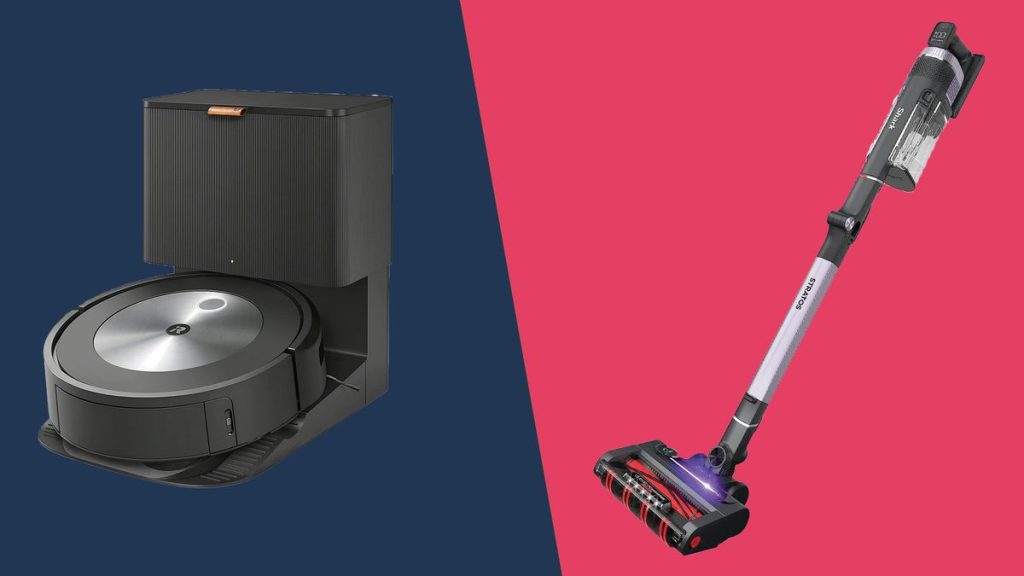
💎 iRobot Roomba j7+ — Best Value Pick
The Roomba j7+ strikes a balance between performance and cost effectiveness, offering intelligent mapping and pet‑friendly cleaning at a more accessible price. It includes a self‑emptying base, intuitive app control, and solid performance on both hard floors and carpets.
✔ Pros: Strong mapping, reliable performance, great for everyday use
✘ Cons: Not as powerful on deep carpets
⭐ Roborock Q7 — Premium Midrange Option
Roborock’s Q7 delivers powerful suction, automatic dirt disposal, and advanced navigation—features often found on higher‑end models. It excels in multi‑room cleaning and scheduling, making it a highly versatile choice.
✔ Pros: Balanced feature set and performance
✘ Cons: Slightly higher price than entry‑level options
🐾 Shark AI Ultra — Strong Budget Alternative
Shark’s AI‑enabled robot vacuum offers solid navigation and a self‑emptying base at a mid‑tier price, making it a compelling choice for users who want advanced features without premium costs.
✔ Pros: Good mapping and AI features
✘ Cons: Slightly less suction than top flagship models
🧹 Eufy RoboVac X8 — Best for Pet Hair and Debris
With twin turbine technology and detangling brushes, the Eufy X8 is especially good at handling pet hair and long debris strands. While not as feature‑rich as flagship models, it performs well for everyday cleaning tasks.
✔ Pros: Great for pet hair, large dustbin
✘ Cons: Navigation not as advanced as premium models
3. Premium Features Shaping the 2026 Robot Vacuum Market
In 2026, robot vacuums have evolved far beyond basic cleaning. Several features now distinguish premium models:
3.1 Advanced AI and Navigation
Mapping technology featuring LiDAR, cameras, and reactive AI obstacle avoidance allows robots to build precise floor plans and dynamically adjust cleaning paths. The most advanced systems even detect obstacles like pet bowls and cables in real time rather than relying on bump contacts.
These navigation systems improve reliability and coverage efficiency, particularly in complex floor plans or homes with many rooms.
3.2 Hybrid Vacuum and Mop Systems
Many modern robots combine vacuuming and mopping functions. High‑end hybrids like those from Eufy and Dreame include:
- Roller mop systems that wash and dry mops automatically
- Hot water sanitation systems for deeper floor cleaning
- Carpet recognition and mop lift features to prevent carpet wetting
These innovations make robot vacuums more versatile across diverse home environments.
3.3 Self‑Emptying and Auto‑Maintenance Stations
Flagship models increasingly include self‑emptying docks that dispose of debris into a sealed bag or container, reducing manual intervention for weeks or months. Auto‑maintenance features like mop washing, drying, and water refilling are becoming more common, pushing toward fully automated cleanliness.
3.4 Smart Home and AI Integration
Integration with smart home platforms (like Alexa, Google Home, and Matter) allows for voice commands, automated scheduling based on routines, and personalized cleaning zones. AI learning further refines performance over time by recognizing high‑traffic areas and adjusting cleaning patterns accordingly.
4. Comparative Breakdown: Feature vs Use Case
To decide which robot vacuum is right for you, consider how each model aligns with specific home needs:
4.1 Best for Large Homes
For multi‑room homes requiring efficient navigation and long run times, models like the Ecovacs Deebot T50 Pro Omni and Roborock Q7 shine with their advanced mapping and large dust bin capacities.
4.2 Best for Pet Owners
Homes with pets benefit from models with high suction power and detangling brush systems, like the Eufy X8 or certain Roborock variants with strong suction ratings above 18,000 Pa.
4.3 Best Budget Options
If cost is a priority, there are strong performers around or below mid‑tier prices. While some budget units understandably trim premium features, many still offer solid navigation and self‑emptying options.
4.4 Best for Hybrid Vacuum + Mop Performance
For households with a mix of hard floors and carpets, hybrid models like the ones showcased at CES 2026—featuring AI stain recognition, mop lift systems, and enhanced sanitization cycles—provide adaptable cleaning tailored to floor types.
5. Battery Life, Runtime, and Coverage
Battery performance directly affects a robot vacuum’s ability to finish cleaning tasks:
- Longer runtime ensures fewer mid‑clean recharges.
- Automatic recharge and resume features allow robots to pick up where they left off.
- Premium models typically offer 120 – 180 minutes runtime—enough for large homes—while budget units usually range between 90 – 120 minutes.
Understanding your home size and desired coverage helps in choosing an appropriate battery class.
6. Suction Power and Cleaning Performance Metrics
Suction power—measured in Pascals (Pa)—remains a key benchmark:
- Entry‑level robots often range from 2,000 – 6,000 Pa, suitable for basic debris and daily dust.
- Midrange models achieve 10,000 – 18,000 Pa, adapting well to carpets, pet hair, and heavier messes.
- Top‑tier robots like some Roborock and Eufy models can exceed 20,000 Pa, delivering thorough cleaning in one pass.
Pairing suction with smart brush designs and mopping systems enhances performance across floor types.
7. Maintenance and Longevity Considerations
A robot vacuum’s long‑term value isn’t just about initial cleaning metrics:
7.1 Brush and Filter Care
- Regular cleaning of brushes prevents hair tangles and maintains suction power.
- HEPA filters should be replaced periodically to retain airflow and allergen capture.
Expert guides recommend following manufacturer cleaning protocols for optimal performance.
7.2 Sensor and Mapping Calibration
Sensors can accumulate dust over time, which may degrade navigation accuracy. Cleaning camera lenses and LiDAR units helps maintain mapping precision.
7.3 Software Updates
Firmware updates often improve navigation algorithms and add new features, making software support a long‑term advantage for certain brands.
8. Price Ranges and Value Tiers
Robot vacuums in 2026 span a broad price spectrum:
| Tier | Typical Price | Typical Features |
|---|---|---|
| Entry-Level | <$300 | Basic suction, simple mapping |
| Midrange | $300 – $800 | Self‑emptying, advanced navigation |
| Premium | $800 – $1,500 | Hybrid vacuum/mop, full autonomy |
| Flagship | >$1,500 | AI object recognition, advanced sanitization |
Your ideal model depends on your flooring mix, home size, and desired automation level.
9. Future Trends in Robot Vacuum Technology
The 2026 generation of robot vacuums hints at broader trends:
9.1 Multi‑Level Mapping and Stair Navigation
Concept models featuring stair‑climbing mechanisms or robotic carriers are emerging, pointing to future robots capable of cleaning across multiple floors without human relocation.
9.2 AI‑Driven Cleaning Decisions
Robots are beginning to make contextual decisions, like increasing suction in dirtier zones or avoiding certain objects dynamically, thanks to vision and AI systems.
9.3 Hygiene‑Focused Features
Hot water sanitation and mop‑drying stations enhance not just dirt removal but germ‑reduction—a growing priority for consumers.
Conclusion: Choosing the Right Robot Vacuum for Your Household
When shopping for a robot vacuum in 2026, performance isn’t defined by suction alone. Leading models combine intelligent navigation, hybrid cleaning, auto‑maintenance stations, AI integration, user experience, and long‑term support to create truly autonomous cleaning systems.
- Best overall robotic cleaning: Ecovacs Deebot T50 Pro Omni
- Best value for money: iRobot Roomba j7+
- Strong midrange performer: Roborock Q7
- Best for pet‑heavy homes: Eufy RoboVac X8
- Innovative CES entries: Eufy S2 and other hybrid models
Your choice should reflect your home size, floor types, pet needs, and appetite for automation. With thoughtful consideration and an understanding of how these advanced machines perform, you can select a robot vacuum that saves time, improves cleanliness, and fits seamlessly into your smart home ecosystem.