









Introduction: The Saros Series — A New Era for Robotic Cleaning
In recent years, robot vacuums have evolved from simple floor sweepers to AI‑driven, highly autonomous cleaning systems. At the forefront of this transformation is Roborock’s Saros series, which pushes the boundaries of navigation, intelligent automation, and even object manipulation. Launched in 2025 and expanded through 2026, the Saros lineup includes models that range from high‑performance vacuum‑and‑mop hybrids to cutting‑edge robots with mechanical arms and advanced terrain handling.
This comprehensive guide will explore each major model in the Saros family, compare technical capabilities such as navigation systems, suction power, obstacle avoidance, and intelligent automation, and provide practical guidance to help homeowners choose the right unit for their needs.
1. The Big Picture: What Defines the Saros Series?
Roborock’s Saros lineup represents a breakthrough generation of robot vacuums characterized by:
- Ultra‑thin, low‑clearance designs for under‑furniture access
- Advanced navigation and obstacle avoidance systems, including hybrid LiDAR, 3D Time‑of‑Flight (ToF), and structured light
- Improved automation and mapping intelligence
- Enhanced cleaning coverage and suction performance
- Integrated smart home connectivity
- Innovations like mechanical arms and configurable chassis lift
The series is positioned as a tier above Roborock’s earlier S and Q series—particularly in terms of autonomy and adaptability.
2. Saros 10: Balanced Performance with AI Navigation
2.1 Overview and Technical Highlights
The Roborock Saros 10 is positioned as a flagship model with balanced performance and intelligent features:
- RetractSense LiDAR navigation with a retractable LiDAR puck to maintain low height (7.98 cm) and clean under low furniture.
- VertiBeam vertical structured light to enhance obstacle detection and avoid collisions.
- 22,000 Pa HyperForce suction power, competitive with the top cleaning units on the market.
- VibraRise 4.0 shaking mop system, delivering high‑frequency mopping for tougher messes.
This combination enables the Saros 10 to offer strong cleaning performance on hard floors and carpets, with AI‑driven mapping that learns room layouts over time.
2.2 Navigation and Obstacle Intelligence
The Saros 10 blends traditional LiDAR mapping with camera and structured light sensors. Unlike conventional top‑mounted LiDAR designs that raise the robot’s profile, the RetractSense mechanism allows the sensor to lower itself to reduce height and improve under‑furniture access.
During early cleaning runs, the robot builds a comprehensive room map and learns the layout, which leads to more efficient coverage in subsequent passes. Combined RGB and depth data also support obstacle bypassing for small items like shoes or cables, minimizing stuck states compared to older platforms.
2.3 Cleaning and Practical Performance
In real‑world reviews, the Saros 10 demonstrates:
- Competitive suction and deep dust/pet hair pickup
- Comprehensive mapping that targets edges and corners efficiently
- Long battery life with auto‑return and resume capability
- Generous dustbin and HEPA filtration for allergen control
Maintenance is straightforward with easy‑access brushes and filters, while scheduled cleaning and zone restrictions through the Roborock app enhance everyday convenience.
3. Saros 10R: Next‑Gen 3D Navigation and Robust Obstacle Avoidance
3.1 Enhanced Navigation with StarSight Autonomous System 2.0
The Saros 10R distinguishes itself through its StarSight™ Autonomous System 2.0, which integrates dual solid‑state 3D ToF LiDAR sensors and advanced structured light for richer spatial awareness.
This system enables:
- High‑resolution depth sensing for better obstacle mapping
- Recognition of small items and irregular shapes
- Smooth movement around complex furniture layouts
With over 21,600 sensor points and wider environmental awareness, the 10R can navigate tricky spaces more intelligently than its predecessor.
3.2 Design and Movement Enhancements
Like the Saros 10, the 10R maintains an ultra‑thin profile (7.98 cm), allowing access under low furniture.
In addition, the AdaptiLift chassis (shared with other Saros models, and expanded in later versions like the Saros 20) helps the robot traverse thresholds and carpet edges more reliably—reducing the likelihood of becoming stuck during transitions.
3.3 Dual Anti‑Tangle System and Pet‑Friendly Features
A standout advantage of the Saros 10R is its dual anti‑tangle brush system, which significantly reduces hair wrap and maintenance for households with pets. This system, combined with advanced suction, makes it a favorite for pet owners.
Reviews from early adopters indicate that the robot performs well in most environments, though occasional navigation quirks have been reported (such as getting stuck on cables or small obstacles), suggesting software finesse and firmware updates may be necessary to tune performance fully.
4. Saros Z70: Innovation Meets Home Automation
4.1 Mechanical Arm for Object Manipulation
The Saros Z70 represents a bold leap in humanoid‑adjacent robotics embedded in a vacuum platform:
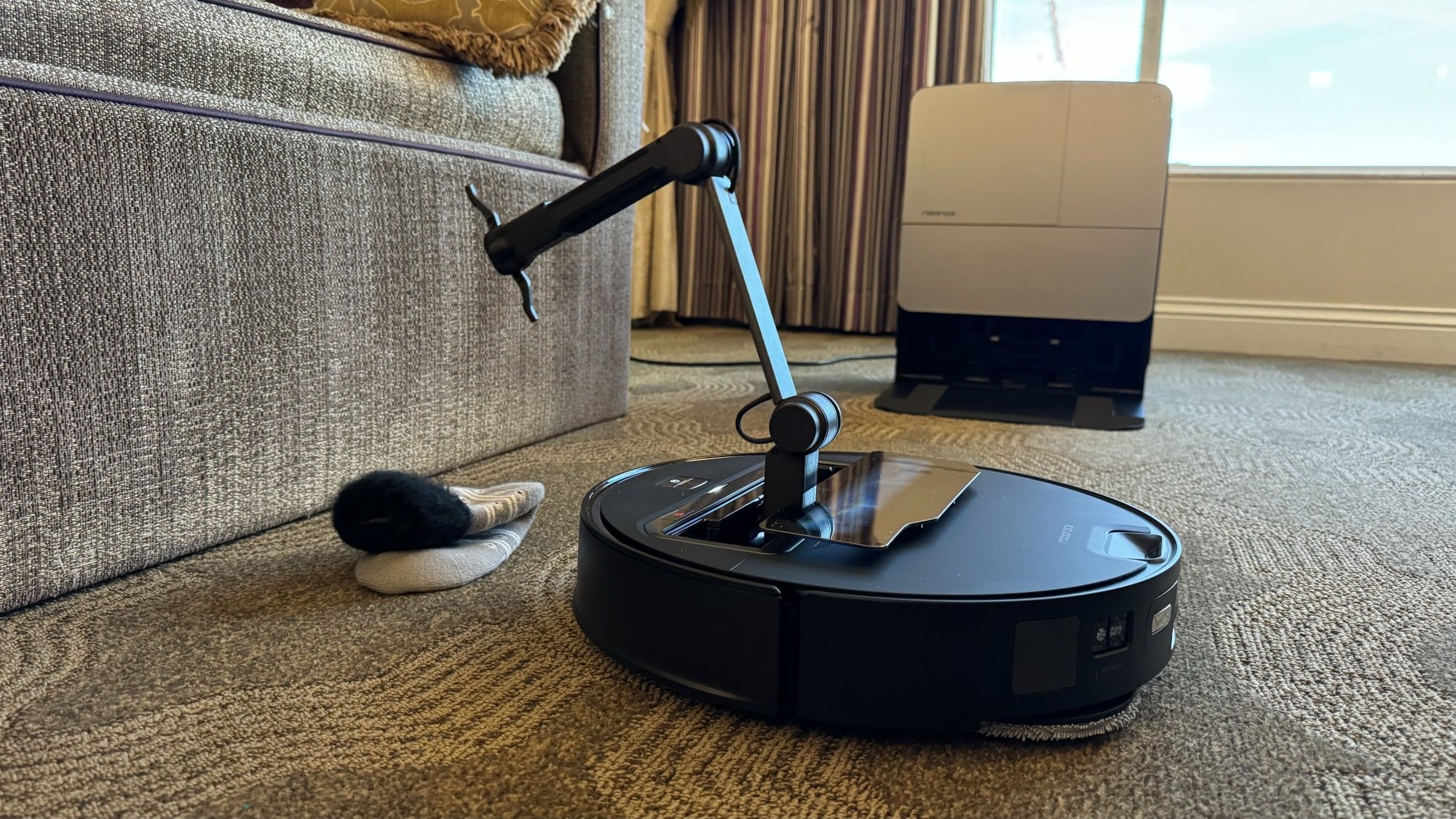
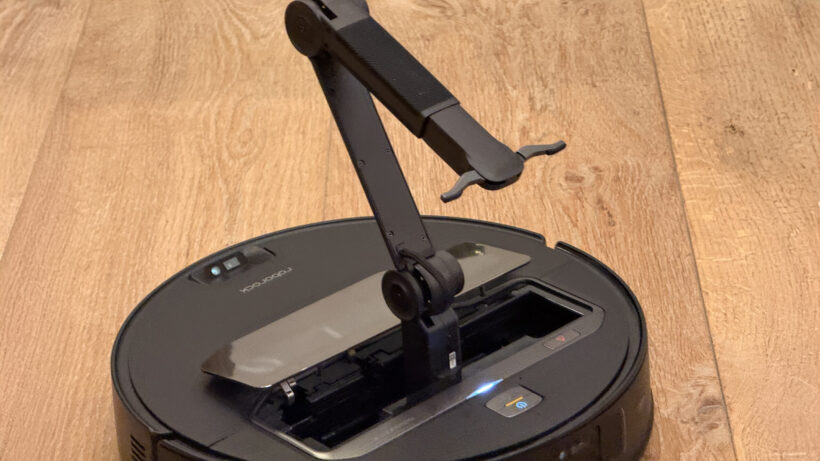
- It features an OmniGrip mechanical arm with foldable, five‑axis control, enabling the robot to move small household objects out of its cleaning path.
- Integrated dual cameras and sensors allow the robot to recognize and reposition items such as loose socks or tissues to maximize cleaning coverage.
This robotic arm—combined with a safe, reversible grip and object weight feedback—makes the Z70 a true interactive floor care assistant, rather than a static floor cleaner.
4.2 Ultra‑Thin Design and Autonomous Mapping
The Z70 maintains a slim 7.98 cm profile, enabling under‑furniture access comparable to other Saros models while housing the advanced mechanical arm.
Enhanced navigation relies on StarSight Autonomous System 2.0 with improved lateral detection (VertiBeam) to handle complex layouts with obstacles and furniture.
4.3 Smart Features and User Control
The Z70’s automation suite includes:
- Customized object interaction profiles that users can enable
- Emergency button and child lock features for safety
- Smart home and app integration for scheduling and remote control
While reviews of the robotic arm reveal that object manipulation still faces challenges—such as occasional misrecognition or limited grasp success—this innovation points toward future home robotics where machines perform auxiliary household tasks beyond traditional floor cleaning.
5. The Saros 20 and Future Series Enhancements
5.1 Upgraded Mobility and Obstacle Handling
At CES 2026, Roborock unveiled the Saros 20 and Saros 20 Sonic, representing the next evolution in this series:
- AdaptiLift Chassis 3.0 enables robots to climb over obstacles up to ~3.3 in (85 mm) in height and handle thicker carpets and thresholds more effectively.
- VibraRise 5.0 sonic mopping allows for customizable mop vibration and water flow for more dynamic surface cleaning.
These enhancements point toward a trend where robot vacuums become increasingly self‑sufficient and resilient to home obstacles without manual intervention.
6. Comparing Navigation and Obstacle Avoidance Systems
The Saros series navigation is one of its strongest selling points, but systems vary by model:
| Model | Navigation System | Obstacle Avoidance | Notes |
|---|---|---|---|
| Saros 10 | RetractSense LiDAR + structured light | Good | Traditional LiDAR with retractable sensor for low clearance and depth data |
| Saros 10R | StarSight Autonomous 2.0 (dual 3D ToF) | Very Good/Advanced | High‑resolution ToF with extensive obstacle scanning |
| Saros Z70 | StarSight Autonomous 2.0 + expanded VertiBeam | Very Good | Adds object interaction and detection for manipulation |
| Saros 20 | Advanced 3D + AdaptiLift support | Leading | Improved threshold climbing and mapping refinement |
This evolution reflects Roborock’s ongoing investment in navigation sophistication—critical for homes with pets, cables, furniture, and varied room structures.
7. Suction, Mopping, and Cleaning Performance
Across the Saros models, cleaning performance tends to be robust:
- 22,000 Pa suction across flagship units (Saros 10, Z70) ensures deep debris and dust pickup on multiple surface types.
- VibraRise and advanced mopping systems allow both dry and wet cleaning automation with customizable intensity.
- Advanced brushes and dual anti‑tangle systems help with pet hair management, reducing manual maintenance.
Compared with legacy platforms, Saros models tend to offer greater edge and corner coverage and smarter transitions between surface types.
8. Smart Home Integration and App Functionality
The entire Saros series integrates with modern smart home ecosystems, supporting:
- Voice control via Amazon Alexa, Google Assistant, and system shortcuts
- Multi‑floor mapping and virtual boundary setup
- Scheduled cleaning and area customization
- Remote monitoring and control through the Roborock app
These features make daily maintenance largely hands‑free with personalized settings tuned to household routines.
9. Choosing the Right Saros Model for Your Home
When deciding on a Saros model, consider the following scenarios:
9.1 Most Balanced All‑Rounder
- Saros 10 is ideal for general users who want advanced navigation, strong suction, and efficient mopping without exotic features.
9.2 Best for Complex Layouts and Obstacle Heavy Homes
- Saros 10R excels with its 3D navigation and advanced avoidance, especially in homes with clutter or irregular furniture.
9.3 Most Innovative with Extra Assistance Features
- Saros Z70 introduces object manipulation, which benefits households with frequent small obstacles or higher automation expectations.
9.4 Future‑Ready Performance and Mobility
- Saros 20 / 20 Sonic represent the peak of current development, with enhanced climbing, deeper carpet handling, and refined automation.
Conclusion: Saros Series — A Comprehensive and Future‑Focused Robot Vacuum Lineup
Roborock’s Saros series builds on years of innovation to deliver a highly capable, intelligent, and increasingly autonomous cleaning experience. From the feature‑rich Saros 10 and sophisticated 3D navigation of the 10R to the exploratory potential of the Z70’s mechanical arm and the upgraded mobility of the Saros 20 models, this lineup offers something for every home situation.
Whether your priority is powerful suction and mapping intelligence, advanced obstacle negotiation, object interaction and automation, or future‑proof mobility and cleaning adaptability, the Saros series provides robust choices that rank among the most advanced robot vacuums on the market in 2026.
In a world where hands‑off cleaning is increasingly expected, Roborock’s Saros series stands out for its navigation brilliance, smart automation, and thoughtful engineering—making it worthy of serious consideration in any purchase decision.