









Introduction
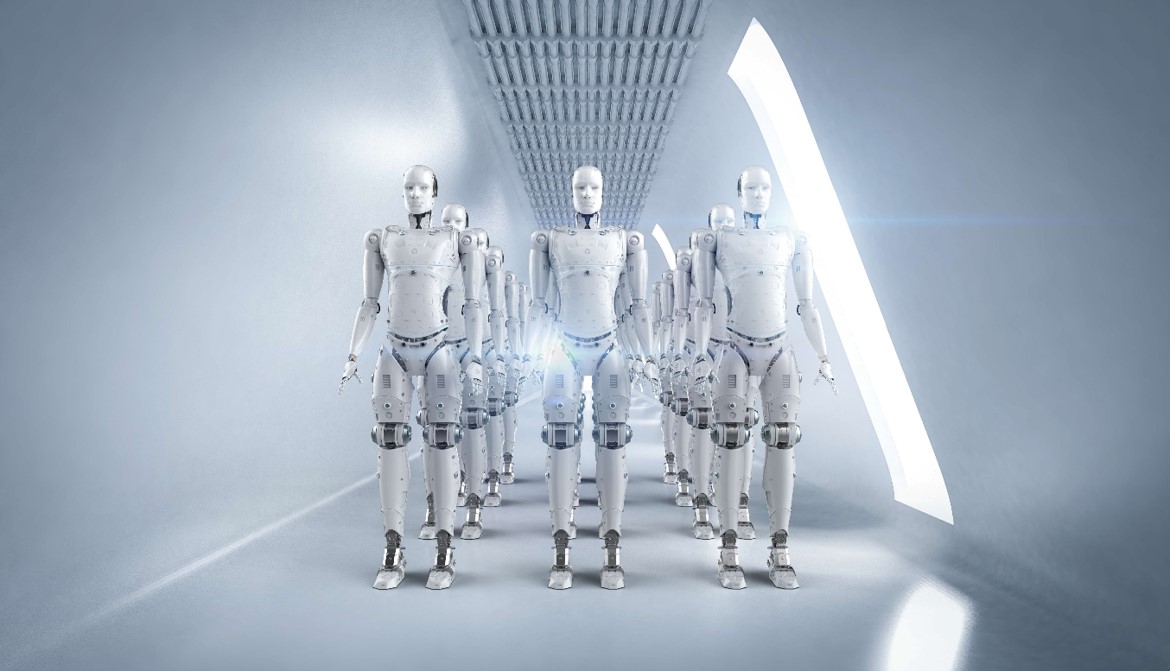
Embodied intelligence is an emerging paradigm in robotics that emphasizes physical interaction and adaptive learning rather than purely computational understanding. Unlike traditional AI systems that operate primarily in digital or virtual spaces, embodied intelligent robots are designed to perceive, act, and learn within their environment, allowing them to adjust behaviors based on real-world feedback.
This approach integrates sensorimotor learning, cognitive modeling, and physical adaptability, bridging the gap between theoretical understanding and practical action. The aim is to create robots capable of dynamic adaptation, situational awareness, and long-term autonomy across complex, unstructured environments.
In this article, we provide a detailed professional analysis of embodied intelligence research, including its theoretical foundations, sensorimotor integration, adaptive learning mechanisms, applications, challenges, and future directions.
1. Defining Embodied Intelligence
1.1 Conceptual Overview
Embodied intelligence posits that cognition emerges from the interaction between a robot’s body, its sensory systems, and the environment. Unlike conventional AI, which primarily relies on abstract computation, embodied systems learn through active engagement with the physical world.
Key principles include:
- Sensorimotor grounding: Knowledge is acquired through perception and action
- Adaptive behavior: Continuous adjustment based on feedback from the environment
- Physical learning: Experiential learning shaped by bodily constraints and interactions
1.2 Theoretical Foundations
- Embodied Cognition (EC): Suggests that intelligence is inseparable from physical experience
- Dynamic Systems Theory: Models robot-environment interaction as continuous, nonlinear systems
- Reinforcement Learning in Physical Systems: Combines trial-and-error learning with real-time feedback
2. Sensorimotor Integration
2.1 Perception Systems
Embodied intelligence relies on rich, multi-modal perception:
- Vision: RGB, depth cameras, and event-based sensors for spatial understanding
- Tactile and haptic sensing: Detecting object properties and force interactions
- Proprioception: Monitoring internal states like joint angles, torque, and balance
- Environmental sensors: LiDAR, ultrasonic sensors, and GPS for navigation
Integration of these modalities allows robots to predict, plan, and execute actions based on current and anticipated environmental states.
2.2 Actuation Systems
- Compliant actuators: Enable safe interaction with humans and fragile objects
- Modular manipulators: Facilitate adaptability to diverse tasks
- Legged and wheeled locomotion: Provides mobility across complex terrains
- Soft robotics: Enhances adaptability and safety in dynamic environments
2.3 Closed-Loop Control
Sensorimotor loops enable robots to adjust movements in real-time:
- Proprioceptive feedback ensures balance and stability
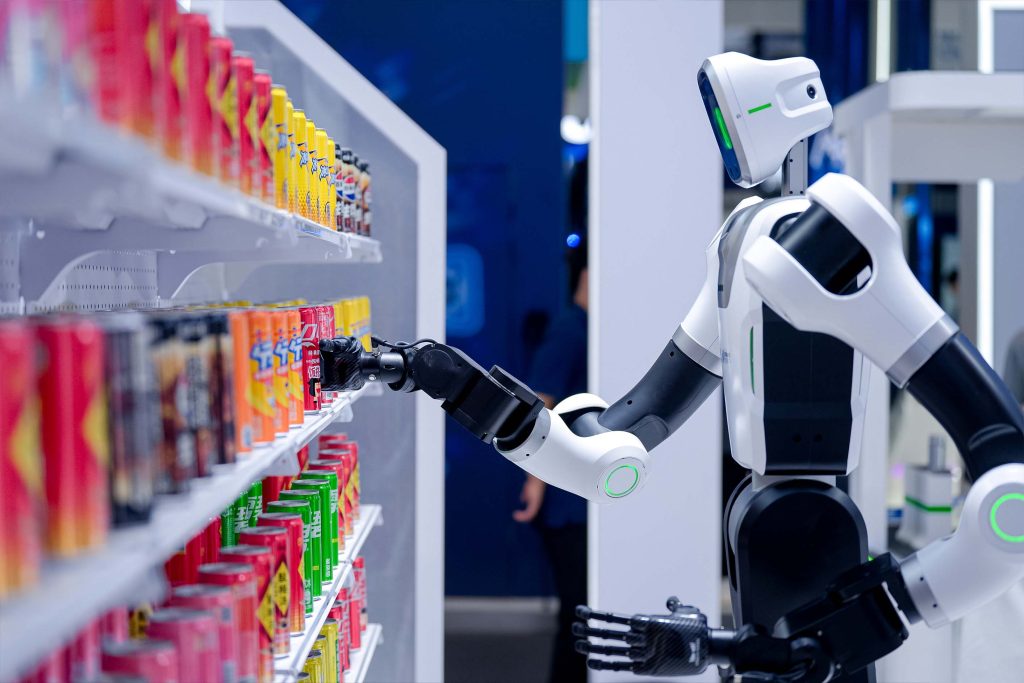
- Tactile sensing allows adaptive gripping and manipulation
- Vision-guided control supports dynamic navigation and obstacle avoidance
3. Learning Mechanisms in Embodied Intelligence
3.1 Reinforcement Learning
Reinforcement learning (RL) allows robots to learn optimal behaviors through trial-and-error interaction:
- Reward-based feedback: Actions leading to desired outcomes are reinforced
- Policy adaptation: Robots update movement strategies in real-time
- Sim-to-real transfer: Policies trained in simulation are refined through physical interaction
3.2 Imitation and Demonstration Learning
- Robots observe human or robotic demonstrations
- Extract patterns and map them to their own motor capabilities
- Useful for tasks with high dexterity requirements or subtle manipulation
3.3 Intrinsic Motivation and Curiosity
- Encourages exploration in unstructured environments
- Robots develop self-driven learning behaviors
- Reduces dependency on pre-programmed rules
3.4 Multi-Modal Learning
- Combines visual, tactile, and proprioceptive data
- Enhances robustness of task execution in dynamic settings
- Supports generalization to new objects or environments
4. Robotic Physical Adaptation
4.1 Morphological Adaptation
- Adjusting body configuration to optimize task performance
- Examples: Extending manipulators for reach, adjusting leg stiffness for terrain
4.2 Tool and Environment Adaptation
- Robots can select or modify tools for specific tasks
- Environmental adaptation includes adjusting gait, grasp force, or navigation path based on surface type or obstacles
4.3 Real-Time Error Compensation
- Detects deviations from expected behavior
- Adjusts motor commands to recover from disturbances
- Enhances robustness and reliability in unpredictable scenarios
5. Applications of Embodied Intelligence
5.1 Industrial Automation
- Adaptive manipulators for variable products
- Dynamic assembly and inspection under uncertain conditions
- Integration of vision, tactile sensing, and AI-based decision-making
5.2 Service Robotics
- Assistance in hospitals, homes, and hospitality environments
- Robots adjust behavior according to human presence, obstacles, and task changes
5.3 Field Robotics
- Autonomous exploration in agriculture, disaster response, or construction
- Learning-based adaptation to terrain, object properties, and environmental variability
5.4 Humanoid Robotics
- Social interaction with humans requiring adaptive gestures and expressions
- Learning to navigate complex environments while maintaining balance and safety
6. Technical Challenges
6.1 Sensor and Actuator Limitations
- High-resolution sensors can generate overwhelming data streams
- Actuator compliance vs. precision trade-offs
6.2 Sim-to-Real Gap
- Models trained in simulation may not perform identically in the physical world
- Embodied intelligence addresses this through continuous adaptation and feedback
6.3 Computational Demands
- Multi-modal learning requires real-time processing of large datasets
- Embedded AI systems must balance computational power and energy efficiency
6.4 Safety and Reliability
- Robots must operate safely in human environments
- Adaptive behaviors must include fail-safes for unexpected events
7. Emerging Trends in Embodied Intelligence
7.1 Soft and Bio-Inspired Robotics
- Soft actuators and flexible materials enhance physical adaptability
- Bio-inspired locomotion improves efficiency and resilience
7.2 Integrated AI and Control
- Neural network-based controllers handle perception, planning, and actuation simultaneously
- Hybrid models combine symbolic reasoning with sensorimotor learning
7.3 Multi-Robot Collaboration
- Shared embodied intelligence allows teams of robots to coordinate tasks and adapt collectively
- Knowledge transfer between robots accelerates learning and robustness
7.4 Lifelong Learning and Autonomy
- Robots develop skills incrementally over time
- Continuous adaptation enables operation in changing environments without human intervention
8. Research Directions and Opportunities
- Development of standardized benchmarks for embodied intelligence
- Exploration of energy-efficient adaptive systems
- Advanced sensorimotor co-design for better perception and control integration
- Multi-modal learning techniques for complex tasks in real-world settings
- Incorporation of ethical and safety frameworks for human-robot collaboration
Conclusion
Embodied intelligence represents a paradigm shift in robotics, moving beyond mere perception to include learning, adaptation, and interaction with the physical world. By integrating sensorimotor systems, adaptive learning algorithms, and flexible structural design, robots can:
- Learn from their environment and experiences
- Adjust behaviors in real-time to achieve goals
- Operate safely and effectively in dynamic, unstructured spaces
The continued evolution of embodied intelligence promises highly autonomous, versatile, and resilient robotic systems, capable of performing tasks previously thought impossible for machines.
Robotic research integrating physical adaptability, learning, and multi-modal perception will define the next generation of autonomous systems, enabling robots not only to understand the world but to act intelligently and adaptively within it.