








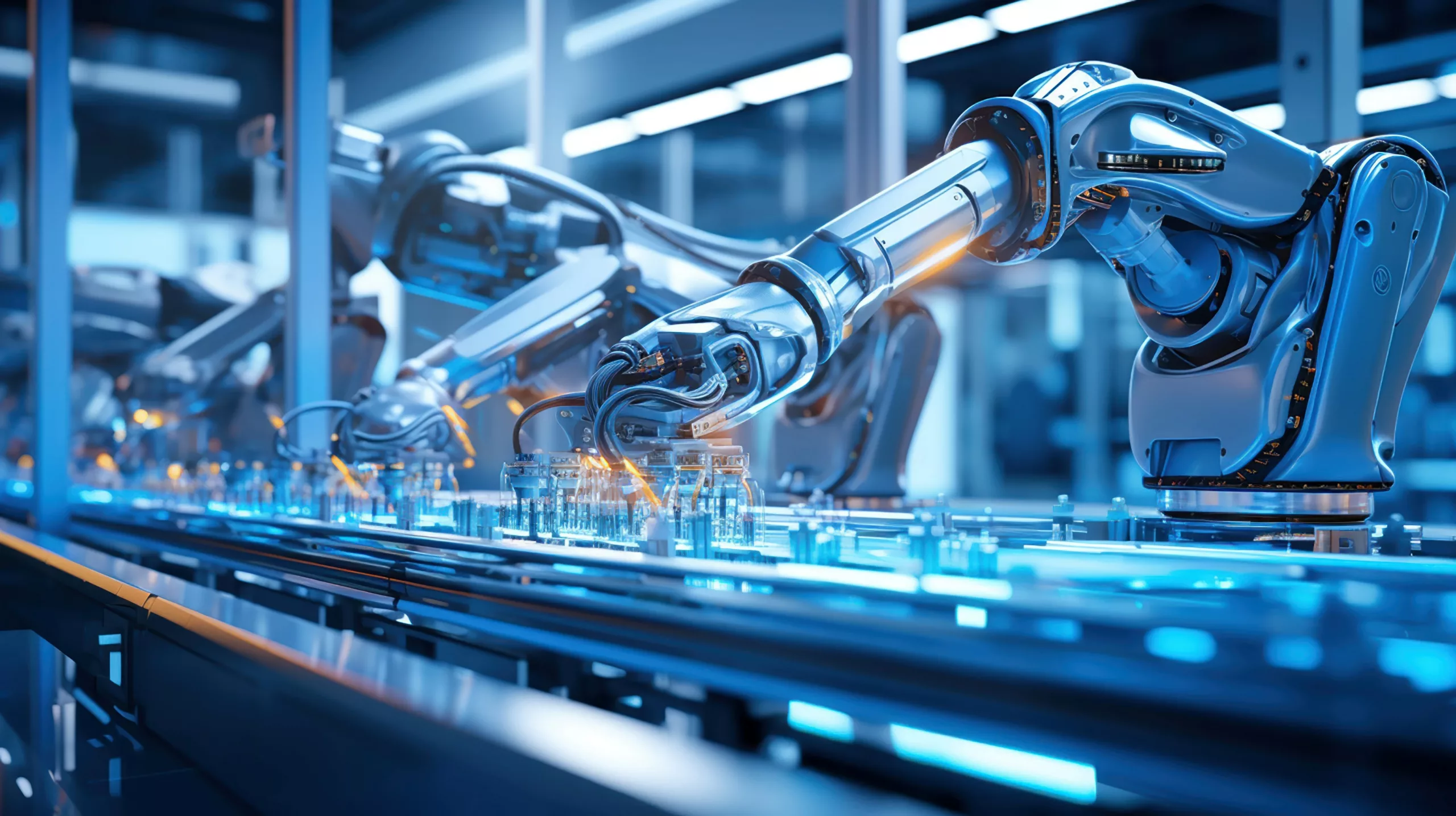

Introduction: From Mechanization to Intelligentization
The industrial landscape has undergone multiple transformative waves, from manual craftsmanship to mechanization, and now toward intelligentization. Mechanization, characterized by the widespread adoption of machines and conveyor systems, dramatically improved labor productivity and manufacturing scale. However, mechanization alone relies on human oversight and rigid, pre-programmed workflows, limiting adaptability in the face of dynamic market demands and complex tasks.
The current industrial shift towards intelligentization—integrating artificial intelligence, robotics, IoT, big data, and edge computing—represents a strategic leap. It allows industries to not only automate repetitive tasks but also perceive, reason, and make autonomous decisions in real time. This transition has profound implications for competitiveness, operational efficiency, labor deployment, and sustainability.
This article explores the strategic significance of this transformation, covering:
- Historical context of mechanization
- Defining intelligentization in modern industry
- Drivers and benefits of intelligent industrial systems
- Challenges and strategic considerations
- Sector-specific implications and case studies
- Future outlook
1. Historical Context: Mechanization as the Foundation
1.1 Mechanization and Industrial Productivity
Mechanization, spanning the late 18th to the 20th centuries, marked the industrial era’s first major productivity revolution. Steam engines, assembly lines, and mechanical tools replaced manual labor, leading to:
- Exponential growth in output
- Standardized products with consistent quality
- Labor specialization and reduced physical effort
Despite these advantages, mechanized systems exhibited limited flexibility. Production lines were rigid, requiring retooling or redesign to accommodate new products. Human operators remained central to decision-making, with machines acting as extensions of manual labor.
1.2 Limitations of Mechanization
- Low adaptability: Mechanized systems struggle with small-batch or customized production
- High human supervision: Operators manage complex processes and troubleshoot issues
- Data blind spots: Mechanized machines produce minimal actionable operational insights
- Inefficient resource utilization: Energy, raw materials, and time optimization are often suboptimal
These constraints set the stage for a more intelligent, data-driven industrial approach.
2. Defining Intelligentization
Intelligentization represents the integration of digital intelligence into industrial processes, enabling systems to:
- Perceive environments through sensors and computer vision
- Make autonomous or semi-autonomous decisions using AI and predictive analytics
- Coordinate complex workflows via networked cyber-physical systems
- Continuously learn and optimize performance through machine learning and digital twins
Unlike mechanization, intelligentization emphasizes adaptability, autonomy, and knowledge-driven optimization. It transforms traditional production lines into cognitive manufacturing ecosystems capable of dynamic response to market and environmental changes.
3. Drivers of the Intelligentization Transition
3.1 Market Dynamics
- Customization demand: Consumer preference for tailored products challenges rigid mechanized production
- Global competition: Intelligent systems reduce cost, improve quality, and shorten lead times
- Rapid innovation cycles: Industries must adapt faster than mechanized workflows allow
3.2 Technological Enablers
- Artificial Intelligence (AI): Enables predictive maintenance, adaptive control, and real-time decision-making
- Industrial Internet of Things (IIoT): Connects machines, sensors, and logistics for continuous monitoring
- Edge computing: Processes data locally for low-latency control and AI inference
- Robotics and automation: Advanced robots perform tasks with human-like dexterity and perception
3.3 Operational Efficiency Imperatives
- Energy optimization: Intelligent systems reduce waste and operational costs
- Resource allocation: AI optimizes scheduling, inventory, and labor deployment
- Quality assurance: Real-time inspection and adaptive control improve product consistency
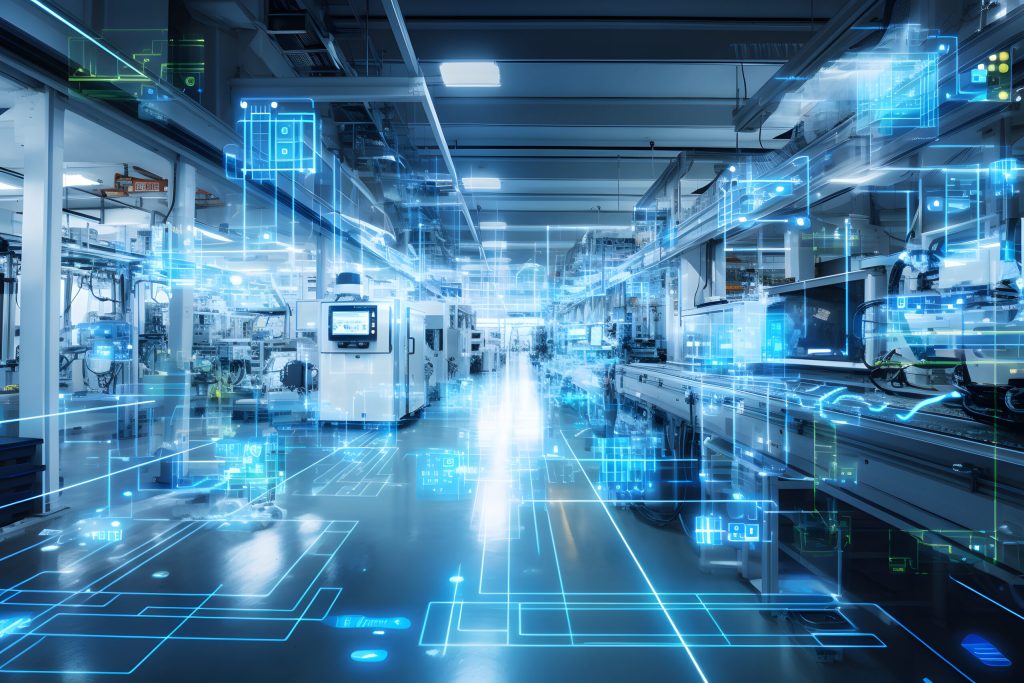
4. Strategic Significance of Intelligentization
4.1 Enhancing Competitiveness
Industries adopting intelligent systems gain first-mover advantages, including:
- Reduced production costs through predictive and adaptive control
- Ability to rapidly introduce new products or variants
- Superior responsiveness to market fluctuations and demand shifts
4.2 Resilience and Risk Management
- Real-time monitoring and AI prediction mitigate equipment failure and supply chain disruptions
- Intelligent systems enable proactive safety management in human-robot collaborative environments
4.3 Labor Optimization
- Reduces dependency on repetitive manual labor
- Enables workforce upskilling in AI, robotics, and data analytics
- Promotes human-robot collaboration, maximizing cognitive labor efficiency
4.4 Sustainability and Environmental Impact
- Intelligent systems optimize energy, material, and waste management
- Supports green manufacturing initiatives through reduced emissions and energy-efficient operations
5. Challenges in Transition
5.1 Capital Investment
- Deployment of AI, robotics, and IIoT infrastructure requires significant initial investment
- ROI depends on system scalability and operational integration
5.2 Technical Complexity
- Integrating heterogeneous systems and legacy machinery presents interoperability challenges
- Requires skilled personnel in AI, robotics, data analytics, and cyber-physical systems
5.3 Data Security and Privacy
- Increased connectivity exposes operations to cybersecurity risks
- Proper data governance and protection protocols are essential
5.4 Organizational and Cultural Adaptation
- Transitioning from mechanization to intelligentization demands organizational change management
- Employees need training in digital literacy and AI-driven decision-making
6. Sector-Specific Implications
6.1 Manufacturing
- Intelligent production lines dynamically adjust to varying product specifications
- Predictive maintenance reduces downtime and enhances overall equipment effectiveness (OEE)
- Digital twins enable simulation, optimization, and risk assessment
6.2 Logistics and Supply Chain
- AI-driven logistics optimize inventory placement, transport routes, and delivery schedules
- Autonomous vehicles and warehouse robots enhance throughput and reduce labor costs
- Intelligent systems enable end-to-end visibility of supply networks
6.3 Energy and Utilities
- Predictive analytics optimize energy generation and distribution
- Smart grids and AI-driven monitoring enhance resilience against outages and demand surges
6.4 Healthcare and Service Industries
- AI-powered diagnostics, robotic surgery, and service robots enhance efficiency, precision, and patient experience
- Intelligent scheduling and resource allocation improve operational efficiency
7. Case Studies
7.1 Smart Manufacturing Plants
- Leading automotive manufacturers implemented AI-driven production lines
- Outcomes: 30-40% productivity gains, reduced defect rates, and improved energy efficiency
7.2 Intelligent Warehousing
- E-commerce giants deployed autonomous mobile robots integrated with AI
- Resulted in faster order fulfillment, real-time inventory tracking, and labor cost reduction
7.3 Industrial Digital Twins
- Major chemical plants leveraged digital twins for predictive maintenance
- Achieved significant reductions in unplanned downtime and optimized energy consumption
8. Technological Components of Intelligentization
8.1 AI and Machine Learning
- Enables predictive, prescriptive, and adaptive decision-making
- Supports anomaly detection, process optimization, and quality inspection
8.2 Robotics and Automation
- Modern robots possess dexterity, perception, and adaptability
- Collaborative robots (cobots) safely share tasks with human operators
8.3 IoT and Edge Computing
- Real-time data collection and low-latency processing enhance responsiveness and autonomy
- Sensors and actuators provide continuous feedback loops for adaptive control
8.4 Digital Twins
- Virtual representations of physical systems for simulation, analysis, and optimization
- Allow predictive planning and reduce trial-and-error in production
9. Strategic Roadmap for Industry Transition
- Assessment Phase: Evaluate legacy systems, production processes, and digital maturity
- Pilot Implementation: Deploy AI and robotics in controlled areas for testing and validation
- Integration Phase: Expand intelligent systems across operations, integrating data pipelines and AI models
- Continuous Improvement: Apply machine learning and analytics for dynamic optimization
- Workforce Development: Train employees to operate and collaborate with intelligent systems
10. Global Perspectives
- China: Strong national policy support for “Industry 4.0” and intelligent manufacturing
- Europe: Emphasis on sustainable and flexible production systems
- United States: Focused on AI-driven automation, robotics, and data-driven supply chain optimization
- Emerging Economies: Intelligentization offers opportunities for leapfrogging traditional industrial stages
11. Future Outlook
- Intelligentization will extend beyond production, transforming supply chains, service operations, and human-robot collaboration
- Integration of 5G, AI, and edge computing will enable real-time adaptive manufacturing
- Sustainable manufacturing and circular economy strategies will benefit from intelligent monitoring and predictive resource management
- Human-centered intelligentization will ensure robots augment human labor rather than replace it entirely
12. Conclusion
The transition from mechanization to intelligentization is strategically critical for modern industries. It reshapes:
- Operational efficiency: Through predictive and adaptive automation
- Market competitiveness: By enabling flexibility, customization, and rapid response
- Labor deployment: Upskilling and human-robot collaboration optimize workforce productivity
- Sustainability: Energy and resource optimization reduce environmental impact
In the context of global competition, industries embracing intelligentization are better positioned to navigate complexity, leverage technology, and achieve long-term resilience. The transition represents not just a technological upgrade, but a strategic imperative for survival and growth in the era of AI, robotics, and digital transformation.
Industries that fail to adapt risk falling behind, while those that strategically implement intelligent systems will define the next generation of competitive advantage in the global market.